Casino Welcome Bonus UK 2026: The Arithmetic Behind Every Offer
 Available in GB
The arithmetic behind every UK casino welcome bonus.

Why the welcome bonus stopped being a marketing question
Six years ago, the question a friend asked me at a pub was simple: "Which welcome bonus is the best?" I gave the kind of answer I'd later come to regret — I pointed at a headline number. The £500 one, obviously. Today I would answer the same question with a question of my own: best for whom, on what stake, against what wagering, with what conversion ceiling, on which payment method, before or after January 19th? The arithmetic underneath the headline has been the same since I started auditing UK offers, but in 2026 the rules around that arithmetic changed harder than they have in a decade.
A casino welcome bonus is a one-off incentive an operator offers to encourage a first deposit on a new account. It is regulated by the UK Gambling Commission's LCCP — the Licence Conditions and Codes of Practice, the rulebook every UKGC-licensed operator must follow. Specifically, Social Responsibility Code 5.1.1, the provision that, since the 19th of January 2026, caps bonus wagering at ten times the bonus amount and outlaws cross-product promotions that mix sport, casino, bingo and lottery into a single hybrid offer. That single change rewrote how welcome offers are structured, marketed and paid out across a market whose regulated GGY — Gross Gambling Yield, the amount staked minus prizes paid, the headline measure of the industry's size. hit £16.8 billion in the year to March 2025, up 7.3% year on year. Online alone was £7.8 billion, growing 13.1%.
This article is a guided walk through the arithmetic. Not a list, not a leaderboard, not a recommendation of any specific operator. By the end you should be able to read any welcome offer and tell me, in your own words, what it costs you and what it's worth.
What changed in 2026 and what it means for your first deposit
- From the 19th of January 2026, bonus wagering on UK welcome offers is capped at 10x the bonus amount under LCCP Social Responsibility Code 5.1.1; pre-reform multipliers of 50x or more are now non-compliant.
- Cross-product bundles that mix casino, sport, bingo and lottery into one welcome promotion are banned in the same package of reforms.
- Remote Gaming Duty rises from 21% to 40% on the 1st of April 2026, which puts measurable downward pressure on headline match sizes from spring onward.
- Expected value of a welcome bonus is the headline £ minus the wagering tax at house edge, then capped by the maximum conversion ceiling — usually 2x to 4x the bonus.
- The shape of the offer that survives the reforms looks structurally different from the one your father might recognise; the arithmetic of comparing them is what this article unlocks.
What a welcome bonus actually is under UK rules
The fastest way to misunderstand a welcome bonus is to treat it like a discount voucher. It isn't. A discount reduces the price you pay. A welcome bonus adds funds to your balance that you can only convert back into withdrawable cash by playing through them under conditions the operator sets in advance. The price is paid in playthrough, not in pounds at the checkout.

Strip the marketing and three structural features define every welcome bonus: how it enters your account, what conditions release it as cash, and how much of it you can ever actually take home. The first is usually one of five mechanics — a deposit match, a no-deposit credit, a free-spins package, a multi-tier welcome package, or an introductory cashback. The second is wagering requirements, time limits and game weighting. The third is the maximum conversion cap, the ceiling that says no matter what happens on the reels, you can walk away with no more than X times the bonus.
A welcome bonus is single-use and reserved for first-deposit accounts. Reload bonuses, weekly cashback, loyalty points and birthday spins all sit outside this category. They have their own rules and their own arithmetic, and conflating them is the most common reading error I see.
The single number that anchors all of this is the long-run return of the games you're playing. UKGC-licensed online slots sit at an average return-to-player around 96%, with a typical band of 94% to 97%. The other 4% is the house edge, which is also the rate at which wagering quietly erodes the bonus while you clear it. Every spin you take during playthrough is, in expectation, costing you 4 pence per pound wagered. The bonus is the operator's bet that you'll wager enough for the edge to consume more than the bonus itself.
That bet, post-January 2026, is harder for them to win. The ten-times cap is a ceiling on how much wagering they can demand, which mathematically caps how much of the bonus the edge can eat before you reach withdrawal eligibility. The bonus isn't free money — it's a structured promotional credit with a calculable cost and a calculable cash-out probability, and that's all it has ever been.
The market context that frames every offer you see
I once tried to explain to a journalist how big the UK regulated gambling market is by reading him three numbers in a row. He stopped me at the first one and asked me to repeat it. The scale of the regulated market is what makes the welcome bonus, as a marketing artefact, behave the way it does — and it's also what makes the recent reforms hit so hard.

Regulated GGY across the British industry came in at £16.8 billion for the year ending the 31st of March 2025, a 7.3% increase year on year. Online alone accounted for £7.8 billion of that, growing 13.1%. The Remote Casino, Betting and Bingo sector — the segment welcome bonuses primarily live in — took 46% of total GGY at £7.7 billion. Inside online, casino games specifically generated £702.4 million of the £2 billion remote gaming pot, with machines contributing a further £231.5 million.
£1.5 billion
Total online GGY in Q3 of the 2025–26 financial year (October–December 2025), a 2% softening year on year, with slots specifically hitting a record £788 million on a 10% rise.
25.7 billion
Number of online spins logged in Q3 2025–26, up 7% on the prior year. The market is bigger by activity, not by stakes per spin, which matters when you read how the average bonus is sized.
4.6 million
Average monthly active accounts in slots alone during Q3 2025–26, up 5% year on year. Total online monthly active accounts sat at 12.7 million — the audience the welcome bonus is competing to acquire.
The arithmetic of acquisition is what shapes the offer you see. With twelve and a half million monthly active accounts already in the regulated channel and a finite pool of "new to gambling" adults, every welcome offer is a bid for an account that already exists somewhere else. That's why headline figures climb. It's also why operators are now visibly more cautious about who they extend the largest matches to — the Financial Vulnerability Check threshold dropped from a test £500 to a live £150 over thirty days in February 2025, which means a £300 deposit is no longer a routine welcome event for the operator's compliance team. It's a flag.
In Q3 2025–26, slots GGY hit a record £788 million in a single quarter — the highest quarterly figure on record for that vertical — even as average session length fell by two minutes. The market has more players doing shorter sessions, not the other way round.
The wider forecast is sobering for anyone expecting headlines to keep climbing. The UK online gambling market is forecast to grow from around USD 9 billion in 2025 to USD 13.2 billion by 2034 at a compound rate of 4.21%. A growth market, yes — but a slowing one relative to the explosive years that produced the 50x-wagering offers your father might remember from 2018.
The five shapes a welcome bonus takes
Here's a small confession. The first time I wrote a welcome bonus taxonomy, I split it into nine categories. I was proud of myself. Then a friend who'd never gambled in his life read it, asked which one to pick, and I realised I'd built a museum, not a guide. Five categories is the honest number — and even five is more than most players actually need to choose between.

The five shapes are deposit match, no-deposit credit, free spins package, welcome package (multi-deposit), and introductory cashback. They differ on two axes that matter to you: whether you stake your own money to unlock them, and whether the headline figure represents something you can ever actually withdraw.
| Shape | Own stake required | Headline-to-cash relationship |
|---|---|---|
| Deposit match | Yes | Headline = bonus credit; cash depends on wagering and conversion cap |
| No-deposit credit | No | Small headline; cap typically £20–£50 regardless of wagering outcome |
| Free spins | Sometimes (qualifying deposit) | Spin value fixed; winnings subject to wagering on those winnings |
| Welcome package | Yes, across multiple deposits | Headline aggregates across tiers; each tier has its own clock |
| Introductory cashback | Yes | Headline tied to losses, not deposits; usually small wagering |
The deposit match is the canonical welcome bonus. You deposit £100 with a 100% match capped at £100, and your account is credited with £200 of which £100 is bonus funds subject to wagering. Match percentages above 100% — the famous 200% and 300% offers — make the headline larger, but always with a smaller absolute cap on the qualifying deposit. A 200% match capped at £50 is, in real cash, a smaller bonus than a 100% match capped at £100.
No-deposit offers are the smallest of the family and the most heavily restricted. You don't put cash in, you complete identity verification, and the operator credits a token amount — usually £5 to £20 or a fixed batch of free spins. The conversion cap on these is the tightest in the market because the operator is paying for them out of marketing budget rather than against your deposit.
Free spins packages have grown into their own category in the British market. They typically come either standalone for sign-up or attached to a qualifying first deposit. Each spin has a fixed value of 10p or 20p, and what you win from those spins becomes bonus funds with their own wagering attached.
Welcome packages — the four-deposit ladders that operators used to advertise as "£1,000 across your first four deposits" — became harder to structure after January 2026, because each tier is technically a separate bonus and each tier must independently satisfy the ten-times cap. Cashback introductions, where the operator returns a percentage of your first-week losses, have become more visible since the reform precisely because they sidestep the wagering arithmetic that the cap reshaped.
For the deep mechanics of each type, including how cashback intros are now classified for LCCP reporting and why welcome packages are noticeably rarer than they were two years ago, I've written a separate piece on the five welcome bonus types compared in detail. The headline taxonomy here is the map; the article on types is the territory.
Wagering mechanics after the 10x cap
Wagering used to be the most opaque number in the welcome bonus. I have a stack of T&Cs from 2018 to 2024 sitting in a folder on my desk where 50x, 65x and even 75x multipliers were considered normal — and where a £10 bonus genuinely required £500 of turnover to release. Today the question isn't how high the number can go. It's how the cap interacts with everything else.

Wagering requirement — sometimes called rollover or playthrough; the total amount you must stake across qualifying games before bonus funds become withdrawable cash.
From the 19th of January 2026, the Gambling Commission set a hard maximum on bonus wagering at ten times the bonus amount. The position was set out in the Commission's consultation response in March 2025: capping the wagering requirement at ten decreases the likelihood of harm, reduces complexity, and improves transparency while maintaining consumer choice. Tim Miller, Executive Director for Research and Policy, framed the broader package as one that would "better protect consumers from gambling harm and give consumers much better clarity on, and certainty of, offers before they decide to sign up." The cap is the cleanest expression of that principle.
The ten-times cap applies to bonus funds, not to deposit funds. If your account credits £100 deposit + £100 bonus, only the £100 bonus is subject to wagering. The deposit is yours, withdrawable in principle subject to the operator's broader withdrawal terms.
The calculation matters because it's where every player I've ever spoken to misjudges what the bonus actually costs. A £50 bonus at 10x wagering is £500 of turnover. That £500 isn't lost in expectation — it's £500 wagered, on which the house edge takes its slice. At an average 4% edge on slots, the expected cost of clearing £500 of turnover is £20 of accumulated losses. Net: a £50 bonus has a theoretical net value of around £30 before you factor in conversion caps, game weighting, time pressure or variance.
Wagering cost formula
Expected wagering cost = bonus × wagering multiplier × house edge
Example: £50 × 10 × 0.04 = £20
Theoretical pre-cap value = £50 − £20 = £30
Game weighting shifts this picture before you even start. UKGC operators apply contribution rates by game type: slots typically count at 100% of stake, table games at 10% to 25%, live dealer games often at 10% or zero, and certain game shows can be excluded entirely. If you clear a 10x wagering requirement playing roulette at 10% weighting, the actual turnover demanded is ten times the headline — £5,000, not £500 — because each £1 wagered counts as 10p toward the requirement.
Time pressure compounds this. Welcome bonuses typically expire in 7, 14 or 30 days from credit. The number of online spins overall grew 7% year on year to 25.7 billion in Q3 2025–26, and average session length on slots fell to 16 minutes, two minutes shorter than the year before. The market is wagering more in shorter bursts — but a £500 turnover requirement at sensible slot stakes still takes hours of play to clear honestly. Cramming that into a 7-day window while holding to the maximum bet rule is harder than the headline suggests.
One more piece of the mechanic deserves spelling out: the UKGC now requires operators to display wagering requirements in pound terms rather than as abstract multipliers. The "Wagering Requirements Calculator" mandate from the 26th of March 2025 means a bonus advertised at "10x wagering on a £50 bonus" must also show "£500 to wager" somewhere on the offer page. That number is the one that actually matters to you.
For the formula in its full form, including the edge cases around progressive jackpot exclusions, partial bonus forfeiture and how withdrawals during wagering are handled, see my deeper treatment of wagering requirements after the UKGC 10x cap. The headline rule is simple; the corner cases are where the money lives.
WagerVane instrument
Welcome Bonus Auditor
Enter the terms of any UK offer. The auditor returns the pound-value of the turnover, the expected value after house edge, and the hours of play the window actually demands.
You must wager
£1,000
real money staked on qualifying games
Expected value
£60
on a £100 bonus
Playtime demanded
3h 20m
at 600 rounds per hour
—
Playtime demanded against the window you have
—
The same offer cleared on a different game
The full arithmetic
How it is calculated. Bonus credited is the deposit times the match, capped at the maximum bonus. Headline turnover is the wagering base times the multiplier. Weighting-adjusted turnover is the headline figure divided by the contribution rate, because a game weighted at 10% needs ten pounds staked to register one pound of progress. Expected cost is that adjusted turnover times the house edge, where the edge is 100% minus the return to player. Expected value is the bonus minus that cost, then bounded by the conversion ceiling. Rounds per hour is a pace assumption by game type: 600 for slots, 400 for video poker, 80 for blackjack, 60 for roulette and 45 for live dealer.
Expected value is a long-run average, not a forecast of your session. Real outcomes are dominated by variance, and most sessions end nowhere near the expected figure. The auditor also assumes you complete the wagering without a terms breach; a max bet breach, an excluded payment method or an excluded game usually voids the bonus outright.
Gambling is for adults aged 18 and over. Play only with money you can afford to lose. Free, confidential support is available from the National Gambling Helpline on 0808 8020 133, from GamCare, and through GamStop self-exclusion. This is arithmetic, not advice, and it is no substitute for the operator's own terms.
The anatomy of the small print
I keep a personal taxonomy of welcome bonus T&Cs that I update twice a year. The headline rule has dropped from around 4,500 words on a typical operator down to closer to 2,800 since the reform — not because operators became more concise, but because mixed-product clauses, opaque conversion language and unenforceable wagering tiers had to be cut. What's left is still longer than most players read. Worth reading anyway.

The anatomy splits into eight clauses that recur, in some order, across every UKGC-licensed welcome offer I've audited. Eligibility (age, residence, account status), opt-in mechanics (auto-credit versus code entry), wagering specifics, max bet during bonus play, game restrictions and weightings, expiry window, withdrawal restrictions, and bonus abuse provisions. Each one carries its own risk of misreading.
From the 19th of January 2026, LCCP SR Code 5.1.1 made mixed-product promotions non-compliant. A T&C that lets you earn the same welcome bonus by betting on football or by spinning slots is, in 2026 terms, a non-compliant T&C. Reading the T&C is also how you spot whether an operator has updated to the new code.
Eligibility is the clause people skim and then trip over. The Financial Vulnerability Check threshold, lowered from a test £500 to a live £150 across thirty days from February 2025, sits behind eligibility decisions on the larger welcome offers. An operator can credit your bonus and then pause it pending a financial check if your first-week deposit pattern triggers the £150 threshold. The bonus isn't lost — but the clock might keep ticking depending on how the T&C is drafted.
Wagering clauses now have to specify the pound-value of the turnover, the contribution rate by game category, and the expiry window. The forensic question I ask of any clause is whether it tells me three things: how much, on what, by when. If any of the three is missing or ambiguous, the clause is either non-compliant or written to be argued about later.
Max bet during bonus play is where the most preventable accidents happen. Typical thresholds sit at £5 per spin, which coincidentally is the same as the slot stake cap introduced on the 9th of April 2025 for all adults — and £2 for 18–24-year-olds since the 21st of May 2025. The interaction matters: a max bet rule above the regulatory stake cap is moot for slots, but it can still bite on table games where you can place much larger single bets if the bonus T&C permits.
Do
- Locate the pound-total wagering requirement before depositing — every operator must now display it.
- Note the expiry timestamp from credit, not from deposit; check it against your realistic playtime.
- Read the game weighting table; if your preferred title isn't on it, treat its contribution as zero.
- Check whether your chosen payment method is excluded from welcome offer eligibility.
Don't
- Trust the headline percentage without seeing the maximum match in pounds.
- Assume "wagering" means the same thing as "deposit playthrough" — these are different.
- Place a single bet above the stated max bet rule during the bonus, even by accident.
- Open the bonus and then change strategy mid-clearance — partial progress can vanish on a T&C breach.
One independent voice worth quoting on the post-reform reality is Casinomeister, the consumer advocacy organisation: a 10x limit "sounds great on paper. But if popular games are excluded or contribute only marginally to bonus turnover, players may still face long, frustrating wagering grinds." The point is real. The cap is necessary but not sufficient — the game weighting and exclusion clauses sit alongside it, and the arithmetic is the product of all three.
For each clause unpacked at full length, including how a "material breach" differs from a "technical breach" and how operators are expected to handle dormant-account rules on unredeemed bonuses, see my forensic walkthrough of welcome bonus T&Cs. This section is the map of where things hide; that one is where I open each cupboard.
The January 2026 reforms in plain language
The day the 10x cap was confirmed, I spent the afternoon emailing colleagues who'd argued for years that the Commission would never go that hard. None of us were wrong about the direction. We were wrong about the size of the step. Capping wagering at ten and banning cross-product bundles in the same package of reforms was, in regulatory terms, the largest single intervention into bonus structure since the LCCP itself was modernised.
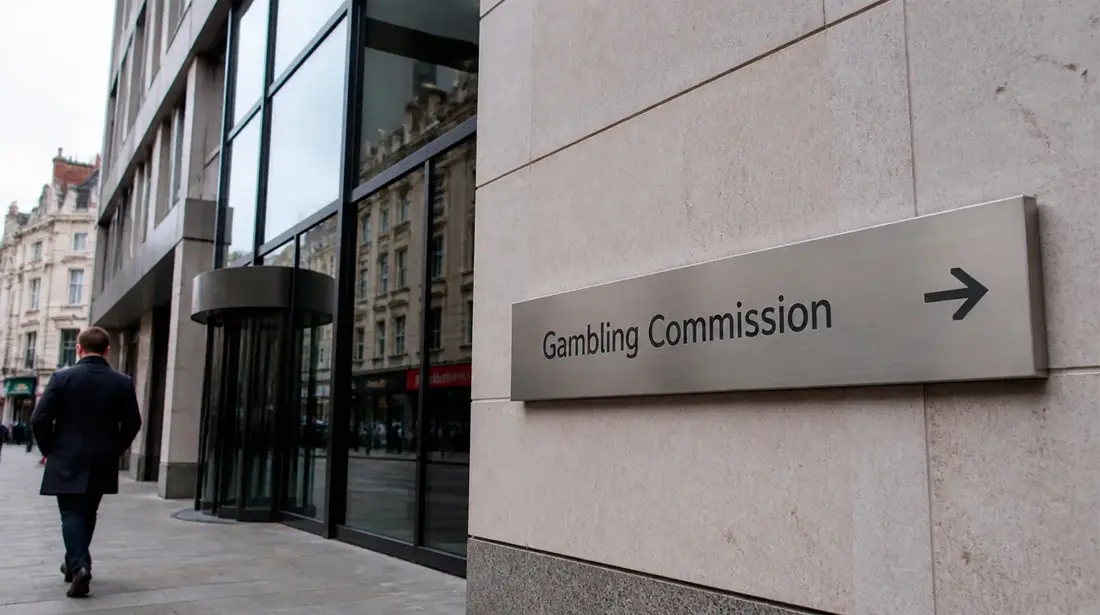
The reforms took effect on the 19th of January 2026 after the original implementation date of the 19th of December 2025 was extended by one month at industry request. The substantive rules didn't change — the date did.
The Commission's own framing of why the cap was set at ten times the bonus is worth reading in its plain words: "Capping the wagering requirement to ten decreases the likelihood of harm, reduces complexity, and improves transparency while maintaining consumer choice." That last clause matters. The Commission specifically rejected the option of zero wagering (which some campaigners pushed for) because the regulator wanted to preserve the bonus as a viable acquisition tool while removing its worst structural harms.
The reform package has three pillars: the 10x wagering cap, the ban on cross-product promotions, and the wagering-requirements-calculator display mandate that requires operators to show the pound-value of the wagering requirement next to any bonus offer. All three sit under LCCP Social Responsibility Code 5.1.1, with the cross-product specific provision at SR Code 5.1.1(3b).
| Element | Pre-reform (up to 18 Jan 2026) | Post-reform (from 19 Jan 2026) |
|---|---|---|
| Maximum wagering multiplier | Operator discretion; commonly 35x–65x, occasionally 75x | 10x bonus, hard cap |
| Cross-product promotions | Permitted (sport+casino, bingo+slots bundles common) | Banned under SR Code 5.1.1(3b) |
| Wagering display | Multiplier only ("35x wagering") | Multiplier plus pound-total ("£500 to wager") |
| Implementation date | — | 19 January 2026 (revised from 19 December 2025) |
Enforcement has been visible. Between April and the end of December 2025, the Commission issued 592 Cease and Desist notices, reported 327,964 URLs to search engines, and achieved removal of 203,571 of them. The numbers cover unlicensed activity generally, not bonus T&Cs specifically — but they're a useful gauge of the regulator's appetite for enforcement during the year the reforms came in.
The financial backdrop tightens the screw further. The Autumn Budget on the 26th of November 2025 confirmed Remote Gaming Duty will rise from 21% to 40% on the 1st of April 2026, and online betting duty from 15% to 25% on the 1st of April 2027. In the Chancellor's own words at the despatch box: "Remote gaming is associated with the highest levels of harm and so I am increasing Remote Gaming Duty from 21% to 40%, with duty on online betting increasing from 15% to 25%. I am making no change to the taxes on in-person gambling or on horse racing." The reforms to gambling tax are projected to raise over £1 billion per year by 2031.
The same reform package that protects you from a 75x wagering trap also shrinks the operator's budget for funding the bonus in the first place. Two pressures move headline sizes downward.
The Statutory Gambling Levy, introduced on the 6th of April 2025 with rates between 0.1% and 1.1% of GGY, added a further compliance layer. Remote operators pay at the upper end. In the first year of collection, the levy raised close to £120 million — roughly double the peak of the voluntary GambleAware contributions it replaced. The distribution is 50% to NHS England, Scotland and Wales for treatment, 30% to the Office for Health Improvement and Disparities for prevention, and 20% to UKRI and the UKGC for research.
For the regulatory mechanics in their full form — including how the BGC voluntary affordability code interacts with the statutory framework and what sanctions have been issued against operators for bonus-related breaches — see the dedicated UKGC welcome bonus rules in 2026. It is the article I send to anyone who claims the reform is "just a number" — because it isn't.
The arithmetic of expected value
An old colleague used to walk into our weekly review meeting, write "EV" on the whiteboard, and ask us to define it without using any other initialism. Three of us could; the fourth was a marketing lead. Expected value isn't complicated, but the way it's discussed in bonus marketing actively obscures it. So here's the version that holds up under examination.

Expected value of a welcome bonus is the bonus amount, minus the expected wagering loss at house edge, then bounded above by the maximum conversion cap. Every other modifier — game weighting, time pressure, variance, deposit requirement — slots into that core equation.
The base EV formula
EV = min(bonus − wagering × house_edge, max_conversion) − deposit_loss_term
For an unweighted slot bonus: EV = min(bonus × (1 − wagering_multiplier × edge), conversion_cap)
Plug numbers in. A £50 bonus at 10x wagering, slot weighting 100%, edge 4%, conversion cap of 4x bonus: EV = min(£50 × (1 − 10 × 0.04), 4 × £50) = min(£50 × 0.6, £200) = £30. The conversion cap doesn't bind here because £30 is well below the £200 ceiling. The bonus has a positive theoretical EV of £30, which is roughly what the reform was designed to preserve while removing the underwater bonuses of the 50x+ era.
Worked example: same bonus at the old multiplier
Same £50 bonus, but at the pre-reform 50x wagering.
EV = £50 × (1 − 50 × 0.04) = £50 × (1 − 2) = −£50
The negative figure is the mathematical translation of "the wagering costs more than the bonus is worth." Under the old rule, the bonus had to be subsidised either by lower house edge (rare) or by players failing to complete the wagering and forfeiting the bonus entirely (common). The 10x cap removes that mechanism.
Game weighting cuts EV proportionally. If you clear the same £50 bonus on live roulette weighted at 10%, the effective wagering is 100x, not 10x. EV becomes £50 × (1 − 100 × 0.026) = −£80. A different sign, on a different game. The headline is identical; the arithmetic is the opposite.
The maximum conversion cap is where the model gets less intuitive. A bonus with a 2x conversion cap means that no matter how lucky you get on the spins, your final withdrawable amount can't exceed twice the bonus. Variance can't help you, in other words — the right tail of the distribution is chopped off. That's a feature, not a bug, of how operators price the offer. Mathematically, it reduces the expected value below the unconstrained EV by an amount proportional to the right-tail probability above the cap.
Time pressure and the Financial Vulnerability Check threshold both feed into the practical EV. The £150 trigger, lowered to live operations from February 2025, means that on a deposit large enough to attract a five-figure match, the operator's risk-team will be sampling your data before your second deposit. That can stall a bonus clock. A clock that runs while you wait reduces effective EV because the same wagering compresses into fewer hours of play, increasing the bet size you have to put on per spin and pushing you closer to the max bet rule.
Remote Gaming Duty rising from 21% to 40% on the 1st of April 2026 doesn't directly enter the player's EV formula, but it does shift the operator's break-even on the bonus subsidy. A bonus that was marginally profitable for the operator at 21% duty might be loss-making at 40% — and the response is either smaller headlines, lower match percentages, or stricter eligibility. The EV formula tells you what an offer is worth today; the duty tells you why next quarter's offer might be smaller.
I've drafted three concrete EV walk-throughs — a £50 match at 10x, a £20 no-wagering offer, and a 100-spin package at 10p per spin — that show how the same arithmetic gives different rankings depending on your bankroll and time budget. They live in the expected value treatment, and they're where most readers tell me the maths finally clicked.
How to choose where to deposit without picking favourites
I'm asked roughly once a week which operator I'd pick. The honest answer is that the question is backwards. The operator isn't what you pick first. The licensing status, the channelisation maths and the specific offer shape come before the brand name — and once you've filtered on those, the brand question often answers itself.

"UKGC-licensed" is a binary, not a marketing claim. Either an operator holds a current Great Britain remote gambling licence or it doesn't. The Commission publishes the register. Anything else — "internationally regulated", "EU licensed", "fair play certified" — is not a substitute for the British licence and tells you the site is operating outside UK consumer protections.
The channelisation context is more reassuring than the headlines suggest. A PwC study for the Betting and Gaming Council put around 5% of British online gambling activity on unlicensed sites. The same figure for France was 57%, Sweden 35%, the Netherlands 37%. The British market is structurally well-channelised, which means picking a UKGC-licensed operator at random gets you more consumer protection by default than the equivalent decision in most other European markets.
The trend, however, is unfavourable. Online activity through regulated channels has slipped from 97% in 2019 to 92% in 2025. That five-percentage-point drift is the practical reason the Commission is enforcing harder, why the levy was statutory rather than voluntary, and why the 10x cap arrived now rather than later. The market is still well-channelised by international standards; it is less well-channelised than it was, and the policy response is what you're now seeing.
What this means for selection: don't pick on bonus headline. Pick on licensing first, then on whether the specific offer's wagering, conversion and game weighting fit your playing style. A £25 no-wagering bonus from an operator whose live licence you've verified on the Commission register beats a £500 match at a higher-multiplier offer from anywhere whose licensing status you'd need to look up. Always.
The red flags I learned to spot the hard way
The deepest mistake I made in my first two years auditing welcome offers was assuming red flags were obvious. They aren't. The most damaging ones are quiet — a clause that doesn't quite scan, a payment method silently excluded, a max bet rule lurking three sections into the T&Cs. The Gambling Survey for Great Britain found 2.7% of British adults score 8 or above on the PGSI — the threshold for problem gambling — and a further 3.1% sit in the moderate-risk band. Among 18 to 24-year-olds, the PGSI 8+ figure rises to 5.3%, almost double the population average. The bonus is not the cause of those numbers, but it is one of the entry points the regulator now treats most carefully.

Walk away from
- Any UK-facing welcome offer advertised after the 19th of January 2026 with stated wagering above 10x — the offer is non-compliant by definition.
- Cross-product bundles ("get £50 casino bonus by betting £25 on football") — banned under SR Code 5.1.1(3b).
- Offers from sites that don't appear on the UKGC register; Ismail Vali, CEO of Yield Sec, has noted that "of 100% of stuff that you see promoting illegal gambling, 84% is not-on-Gamstop related" — and the same brands lean heavily on aggressive welcome marketing.
- T&Cs that don't display the pound-total wagering requirement next to the multiplier — a compliance signal as well as a usability one.
Treat with caution
- Maximum conversion caps below 2x bonus — technically permitted but unusually tight.
- Expiry windows below 7 days that demand 10x wagering in the same window.
- Game weighting tables that exclude all slots above 96% RTP — a structural EV reduction hidden in the small print.
- Eligibility clauses that allow the operator to alter T&Cs mid-bonus without notification.
The welcome bonus as a snapshot of the wider market
The welcome bonus, in the form I started auditing it six years ago, doesn't exist any more. The 10x cap, the cross-product ban, the pound-value display mandate and the duty rise from April 2026 have collectively reshaped both the offer and the budget behind it. What you see advertised today is the early sediment of that reshaping; what you'll see by the end of 2026 will sit further into the new equilibrium.

Tim Miller, addressing the House of Lords Peers for Gambling Reform group, put it as well as anyone in the industry: "There will always be more to do, but my encouragement to all of those that have an interest in making gambling fair, safe and crime free is: do not allow a drive for future reforms to be at the expense of effective delivery and measurement of current reforms." Read the offer for what it is in 2026, not for what it was in 2018. The arithmetic is the arithmetic — and now it's also the rule.
Questions readers send me about welcome bonuses
What exactly is a casino welcome bonus under UKGC rules?
A welcome bonus is a one-off promotional credit extended to a new account holder on first deposit (or, in the no-deposit case, on registration). Since the 19th of January 2026, every UKGC-licensed welcome bonus must comply with LCCP Social Responsibility Code 5.1.1: wagering capped at 10x the bonus amount, no cross-product bundling, and the pound-value of the wagering requirement displayed alongside the multiplier. Reload bonuses, weekly cashback and loyalty rewards are different categories with different rules.

How do wagering requirements work after the 10x cap from 19 January 2026?
The cap means the total stake required to release bonus funds as cash cannot exceed 10 times the bonus. A £100 bonus tops out at £1,000 of qualifying turnover. Game weighting still applies — clearing the wagering on roulette weighted at 10% means the effective turnover is ten times the headline. The clock runs from credit, not from deposit; expiry windows typically sit between 7 and 30 days. The wagering applies to bonus funds only, not to deposit funds.
Are casino welcome bonus winnings taxable for UK residents?
No. The UK does not levy income tax or capital gains tax on gambling winnings from individuals, whether those winnings derive from a welcome bonus or from ordinary play. The tax burden sits on operators — currently 21% Remote Gaming Duty, rising to 40% on the 1st of April 2026. The Statutory Gambling Levy of 0.1% to 1.1% of GGY, introduced on the 6th of April 2025, also falls on operators. None of these flow through to the player's tax return.
What is a maximum conversion cap and why does every welcome bonus have one?
The maximum conversion cap (sometimes called max win cap) limits the total withdrawable amount derived from playing the bonus, usually expressed as 2x to 4x the bonus amount. On a £50 bonus with a 4x cap, no matter what happens on the spins, the absolute ceiling for withdrawal from bonus-derived funds is £200. Operators apply it because the right tail of slot payouts is heavy — a single high-volatility win could otherwise turn a £50 marketing spend into a five-figure liability. The cap is the operator's hedge against tail risk.
Why are Skrill, Neteller and Paysafe usually excluded from welcome bonuses?
The exclusion dates back to a coordinated decision across most UK operators around 2017, formalised across most welcome T&Cs since then. The stated rationale is bonus abuse risk: those e-wallets were historically associated with players opening multiple accounts and chaining welcome offers. Whether that's still the dominant reason or whether the exclusion is now industry inertia is a debate I'm not going to settle here, but the operational reality is unchanged. Depositing via an excluded method usually voids welcome bonus eligibility — the deposit is still credited as cash, but the bonus doesn't attach.
What happens if I exceed the maximum bet rule while playing through a welcome bonus?
The standard consequence is forfeiture of the bonus and any winnings derived from it. Deposit funds typically remain. Most operators implement either an auto-block (the bet doesn't go through) or retroactive voiding (the bet went through, the operator catches it on review). The auto-block path is cleaner. The retroactive path is where disputes happen; if the operator credits winnings and then reverses them weeks later, the player has alternative dispute resolution rights and the route is via the operator's nominated ADR provider. The £5 slot stake cap (live since the 9th of April 2025) and the £2 cap for 18 to 24-year-olds (since the 21st of May 2025) operate independently of any operator-specific max bet rule.
Is a no-wagering welcome bonus always better value than a high-headline match?
Not always, but more often than the marketing suggests. A £20 no-wagering bonus has an EV close to £20 (subject to conversion cap and game restrictions). A £200 match at 10x wagering with a 4x conversion cap and 4% house edge has an EV around £120. The match has more upside but also more variance and more time required. For a small bankroll on tight time, no-wagering wins. For a larger bankroll with hours of comfortable playtime, the match can win on absolute EV. The right answer depends on the player, not on the bonus.
Related posts

Terms of Use

UK Gambling Casino Sites and Slots: Licensing and Play