PayPal Casino Welcome Bonus UK: Eligibility, Limits, Workarounds
 Available in GB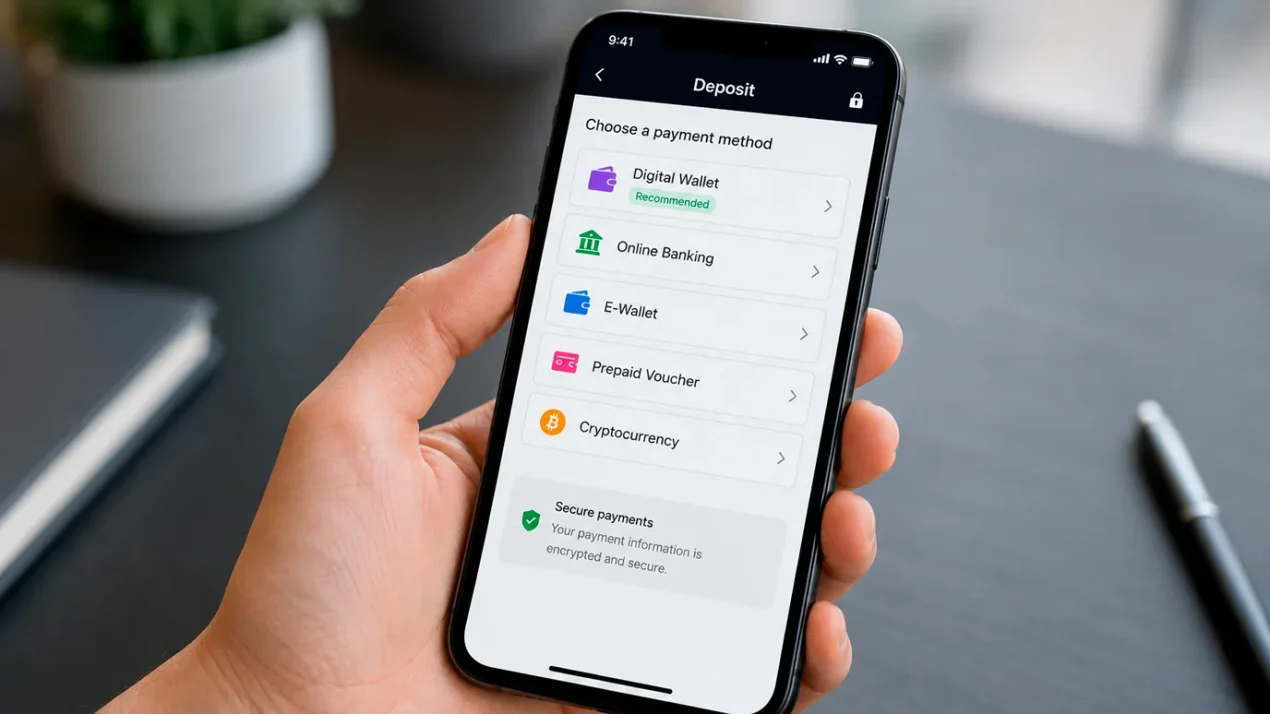
The Question I Get More Than Any Other
Out of all the welcome-bonus questions readers email me, one repeats more than any other. ‘Will PayPal qualify for the welcome bonus, or do I need to use a debit card?’ The answer used to be uncomfortable. Half the operators excluded PayPal alongside the broader e-wallet ban; the other half allowed it. Today the picture has shifted noticeably in PayPal’s favour. The exclusion that survived for Skrill, Neteller and Paysafe has not held for PayPal, and the gap between the two groups has widened steadily through 2025 and 2026.
That shift is not random. PayPal has structural differences from the legacy e-wallets that change its risk profile for an operator, and those differences have made it the preferred non-card payment method on welcome offers at most UK-licensed brands. The Commission has not legislated this distinction — operators have arrived at it through their own risk management, and the alignment across the market is now strong enough to be predictable. The full picture is in our guide to the UK casino welcome bonus.
Why PayPal Qualifies Where Skrill And Neteller Do Not
The legacy e-wallet ban was a response to bonus abuse patterns that emerged in the late 2010s. Players opened multiple e-wallet accounts under variant identities, used them to fund multiple casino accounts, and extracted welcome offers across a portfolio of operators before the fraud-detection systems caught up. The e-wallets in question were comparatively easy to open, did not require the same identity verification depth as a UK bank account, and made cross-account linking difficult to detect at scale.
PayPal sits in a different category. To use PayPal in the UK at a meaningful transaction volume, the user has to link a UK bank account, complete PayPal’s own identity verification, and pass the operator’s KYC against the linked instrument. The result is a payment method that carries roughly the same identity assurance as a direct debit card transaction, with the added benefit that the operator can verify the PayPal account ownership independently of the casino account. The bonus abuse vector that closed Skrill and Neteller out is structurally absent at PayPal.
The remote casino segment generated roughly £1.4 billion of revenue out of £2 billion of remote gaming revenue in the financial year to March 2025, and PayPal sits behind a sizeable portion of that volume. Operators that block PayPal from welcome offers are leaving acquisition spend unspent against a payment method that millions of UK adults use as their default online wallet. The commercial logic of excluding PayPal evaporated as soon as the fraud profile diverged from the legacy e-wallets, and the market has moved accordingly.
The Deposit Limits That Stack On Top
PayPal applies its own transaction limits independently of the operator’s deposit limits. The two stack — the binding constraint is whichever is lower at the moment of the transaction. For most UK accounts, PayPal’s default sending limit per transaction is set by the user’s account verification level and can be adjusted upward by completing additional verification. The operator’s minimum and maximum qualifying deposit for the welcome bonus then sits on top.

A worked illustration. An operator’s welcome bonus is a 100% match on deposits between £20 and £100. PayPal has set a per-transaction sending limit of £150 for the user’s account. The binding constraint at the moment of deposit is the operator’s £100 cap — PayPal would accept the full £100, but the deposit cap means anything above that is left unmatched. The same scenario with a PayPal sending limit of £50 would see only £50 deposit and £50 matched, ignoring the operator’s higher cap. The reverse scenario — high PayPal limit, lower operator cap — is more common in practice, but the principle is identical.
Daily and monthly aggregate limits at PayPal can also catch readers off-guard. PayPal monitors total sending volume per account on rolling windows, and an account that has been used for unrelated transactions earlier in the day may have less headroom for a casino deposit than the per-transaction figure suggests. Where this matters most is on multi-deposit welcome packages — a four-stage match offer where each stage requires a qualifying deposit can run into PayPal limits at the third or fourth stage even if the first two cleared without issue.
Withdrawing Back To PayPal
The withdrawal experience is where PayPal genuinely shines compared to debit card withdrawal. PayPal returns are typically near-instant within UK working hours, where a debit card return can take three to five working days depending on the issuer. For a welcome bonus that has been cleared and the player wants to lift the resulting balance out of the operator quickly, PayPal is the fastest route the market offers.
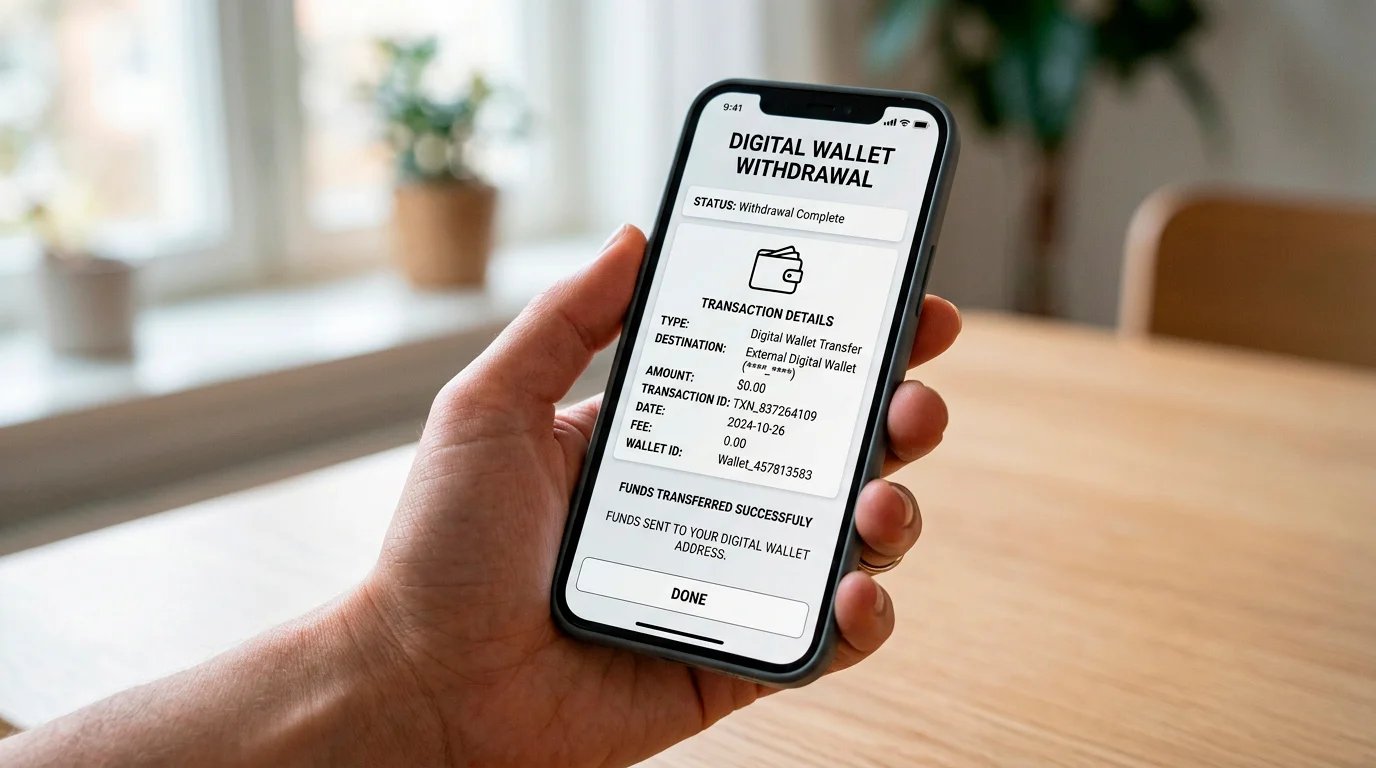
The deposit-route-match rule applies to PayPal as it does to other methods. If you deposited via PayPal, the first withdrawal returns to the same PayPal account, even if you would prefer a different destination. The reasoning is anti-money-laundering policy enforced by the operator, not a PayPal-specific quirk. Beyond the first matching withdrawal, the player can usually request payouts to a different verified method, but the welcome bonus payout itself is locked to the deposit instrument.
Some operators apply a withdrawal ceiling on PayPal that is lower than on direct bank transfer. This is unusual but worth checking — the small print will state any method-specific ceilings if they exist. The cleanest case for PayPal as a welcome-bonus payment is when the operator treats deposits and withdrawals symmetrically, with no method-specific caps, and the player’s PayPal account has sufficient verification depth to handle the bonus headline value. The e-wallets that do not qualify: Skrill and Neteller, why other e-wallets remain blocked from welcome offers despite PayPal’s acceptance$$ sits in the parallel coverage of the legacy e-wallet ban.
KYC Friction With PayPal On First Bonus
The KYC step on a PayPal-funded welcome bonus has one extra layer that direct card deposits avoid. The operator verifies the player’s identity against the standard documents — passport or driving licence, proof of address, possibly a selfie video. They then verify that the PayPal account used to fund the deposit is owned by the same identity. The second check is normally automated and adds no time to the process, but it can fail if the player’s PayPal account uses a slightly different name than the operator account.

Common causes of the mismatch include a married name on the casino account against a maiden name on PayPal, a middle initial included on one and omitted on the other, or a punctuation variation in the address. Operators have varying tolerance for these mismatches. Some resolve them automatically through fuzzy matching; others escalate to manual verification, which can add 24 to 72 hours to the bonus release window. Where the bonus has a 7-day activation clock, that delay can be the difference between a usable bonus and an expired one.
The financial vulnerability check threshold also matters here. The Commission lowered the trigger to £150 over thirty days from February 2025. A welcome bonus that requires a £200 qualifying deposit funded via PayPal sits above the trigger, which means the operator runs a financial check before fully releasing the bonus. PayPal’s own account standing — and any history of disputed transactions or chargebacks — feeds into the operator’s assessment. A PayPal account in good standing accelerates the check; one with prior friction can delay it.
The Comfort Margin Worth Keeping
For a reader picking a payment method for a welcome bonus, PayPal usually wins for one specific reason: it gives the player optionality on the withdrawal side that no other method matches. The deposit experience is comparable to a debit card. The verification overhead is marginally higher. The withdrawal speed is materially better. The single residual question is whether the operator caps PayPal eligibility for the welcome bonus — and if the small print says it qualifies, then it does.

I have not seen a 2026 UK operator that excludes PayPal from welcome eligibility while accepting it for ongoing play. Where PayPal is excluded, it is excluded across the board, and the operator’s marketing will be transparent about it. Where it is accepted, the welcome eligibility usually follows. The legacy quirks of paragraph-buried PayPal exclusions in welcome T&Cs have largely been cleaned up through the regulatory transparency push, and the resulting market is easier to read than it was even two years ago.
Frequently Asked Questions
Why does PayPal qualify for welcome bonuses while Skrill rarely does?
PayPal’s verification depth and bank-account linking requirements make it structurally harder to abuse for multi-account bonus fraud, which was the original concern that closed Skrill and Neteller out of welcome offers. A PayPal account in the UK is tied to a verified UK bank account and to identity documents that the operator can verify independently. The fraud vector that justified excluding the legacy e-wallets does not apply to PayPal, and operators have aligned their welcome offer eligibility accordingly.
Does PayPal apply its own deposit limit on top of the operator’s?
Yes, PayPal sets per-transaction, daily and monthly limits independently of the casino operator’s deposit caps. The binding constraint at any moment is whichever limit is lower. For most UK accounts, the default per-transaction limit is high enough to clear a typical welcome bonus deposit, but multi-deposit packages can run into PayPal’s aggregate limits at later stages. Verification upgrades inside PayPal raise the ceilings; the operator’s cap stays unchanged.
Are PayPal-funded deposits eligible for the maximum match figure?
They are eligible for the same match the operator’s welcome bonus advertises, up to the deposit cap stated in the T&Cs. PayPal does not constrain the match percentage — it constrains the deposit volume the player can move into the operator account, which then attracts the standard match. A 100% match offer capped at £100 produces the same £100 bonus whether the £100 deposit arrives via PayPal or via debit card. The eligibility is identical at the match stage; only the transaction limit landscape differs.
This material was created by the WagerVane team.
Related posts
Casino Welcome Bonus Withdrawal: From Wagering Clear to Bank Account

Live Casino Welcome Bonus UK: Why Dealer Tables Are Usually Excluded