Casino Welcome Bonus Maximum Conversion Cap: The 2x-4x Ceiling Explained
 Available in GB
The Number That Decides The Bonus Outcome
A reader wrote to me in March furious about a £400 win on a slot during welcome wagering that paid out as £80 at withdrawal. The slot had paid genuinely — the in-game animation showed the win, the balance went up — but the operator’s bonus contract capped the maximum conversion at 4× the bonus value. The bonus was £20. Four times £20 is £80. The other £320 evaporated when the wagering completed, with the small print performing exactly as written.

This is the single most important number in a welcome bonus offer and the one almost no one looks at until it bites. It is rarely on the landing page. It is almost always in the T&Cs. And it sits independently of the wagering ceiling — the Social Responsibility Code Provision 5.1.1 capped wagering at 10× from 19 January 2026, but it did not cap the conversion ceiling. The two operate on different parts of the bonus contract, and a player paying attention to only one will miss the other. The full picture is in our guide to the UK casino welcome bonus.
Conversion Versus Maximum Win: Different Things
The terminology is genuinely confusing because operators do not use consistent labels. ‘Maximum conversion’, ‘maximum win’, ‘cap on bonus winnings’, and ‘withdrawal limit on bonus’ all appear in T&Cs and sometimes mean the same thing and sometimes do not. The cleanest way to read them is by what they actually constrain.
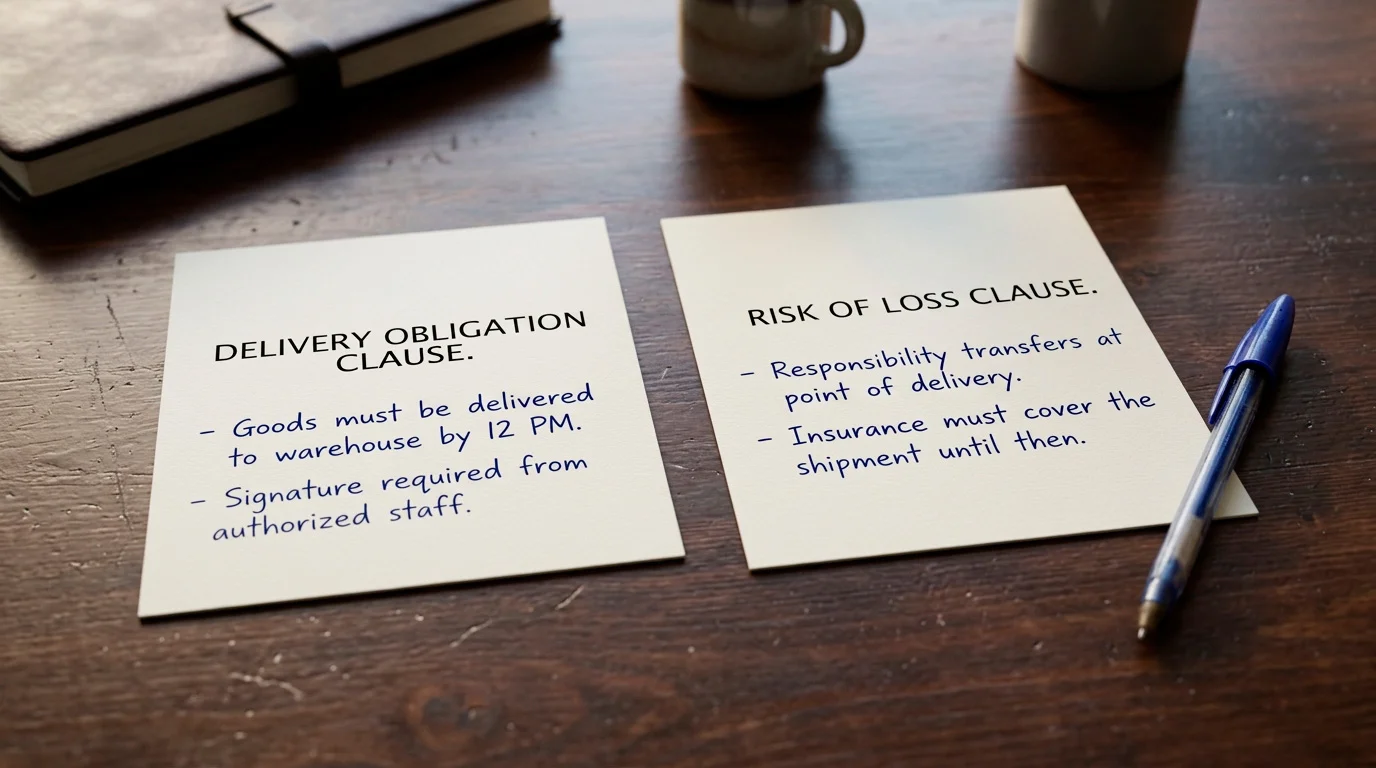
A conversion cap is the maximum amount of bonus funds, once wagered through, that can convert into cash. If your £20 bonus has produced £200 of cleared balance at the moment wagering completes, a 4× conversion cap means £80 converts into cash and the rest is forfeited. The cap is applied at the wagering-complete moment, not progressively.
A maximum-win cap is functionally similar but is sometimes applied at the moment of an individual win rather than at the end of wagering. A 4× maximum-win cap on a £20 bonus means no individual win during wagering can credit more than £80 to the balance. The mechanic is harder for the operator to enforce in the game engine, so the per-win interpretation is less common than the conversion ceiling.
A withdrawal limit on bonus is sometimes used interchangeably with conversion cap, but occasionally it refers to a daily or weekly withdrawal limit that applies after the conversion has already happened. In that case the player has £80 of cash but can only withdraw £20 per day until the balance is paid out. Read the T&Cs carefully if you see this language — it changes the cash-out timeline but not the ultimate payout.
Why 2× To 4× Is The Norm
The cluster around 2× to 4× is the result of two countervailing forces. On one side, the operator wants the cap low enough to bound their exposure to variance — the worst-case payout on a welcome bonus is calculable and budgetable when the cap is set. On the other side, the cap has to be high enough to give the player a credible upside, or the bonus stops working as an acquisition lever. The 2× to 4× range is the equilibrium the UK market has found.

The same range existed before the wagering cap came into force, and it persisted afterwards. The reform of January 2026 changed the friction profile of welcome bonuses dramatically — turnover requirements fell, expected clearing rates rose — but it did not change the operator’s incentive to bound the maximum payout. The conversion cap is the mechanism that absorbs the operator’s risk after the wagering ceiling stopped being available as a friction lever.
You can see the equilibrium in the slot session data the Commission publishes. Average monthly active slot accounts reached 4.6 million in the third quarter of 2025-26, with the broader online figure at 12.7 million. Operators serving that volume cannot afford uncapped conversion on welcome offers — the variance on a single jackpot win would dwarf the marketing budget of any single brand. The 2× to 4× cap is the price of having a welcome offer at all in a high-volume, high-variance market.
What The Cap Does To Jackpot Wins
This is the part of the conversion ceiling that catches players most badly. A progressive jackpot win on a slot played with bonus funds is, in many cases, subject to the same conversion cap as any other win. If your £20 welcome bonus is playing through wagering on a slot that hits a £50,000 jackpot, the operator’s contract limits the payout to the conversion ceiling — 4× the bonus value, or £80. The other £49,920 is forfeited at the moment of withdrawal request.

I have seen this happen twice to readers. Both times the operator’s small print explicitly disclosed the conversion cap, and both times the player did not internalise what it meant until the cap was applied. The cap is enforceable, the contract is binding, and there is no realistic path to recovering the foregone winnings beyond a complaint to the alternative dispute resolution service — which, in cases where the small print was clearly disclosed, almost always sides with the operator.
Some operators explicitly exclude jackpot slots from the eligible game list for welcome wagering, precisely to avoid this scenario. Where they do, the slot is removed from the operator’s bonus lobby, and any wins on it do not count toward wagering. That is the cleaner outcome for both parties — the player does not lose a life-changing payout, and the operator does not have to defend an enforced cap on a headline number. Where jackpot slots are eligible, the cap applies, and the player should treat the offer accordingly.
How The Cap And The Wagering Ceiling Interact
The two ceilings combine in a way that produces a calculable expected value for the offer. Wagering ceiling at 10× sets the turnover requirement. Conversion ceiling at 4× sets the maximum payout. At a 4% house edge, the expected friction across 10× wagering on a £20 bonus is £8, which leaves an expected residual of £12 — well below the £80 conversion cap. The cap is not binding in the expected case; it is binding only in the upper tail of variance.

That tail matters for the operator’s risk management more than for the median player. The operator can model their cumulative bonus liability as the sum of expected residuals across all welcome bonuses issued, plus the cumulative payout cap on the upper-tail outcomes that exceed the cap. The cap caps the upper tail; the expected case is unaffected. For the player, the cap is mostly irrelevant — until variance puts them above the cap, at which point it is the only thing that matters.
The interaction also explains why the 10× wagering cap did not produce a wave of operator-side losses. Pre-reform, wagering at 50× meant most players never completed turnover, and the operator’s expected payout was very low. Post-reform, wagering at 10× means more players clear turnover, but the conversion cap holds their payouts in check. The arithmetic that used to be ‘low completion rate × high payout’ became ‘high completion rate × capped payout’, and the net commercial result is broadly similar. For the broader picture the full derivation works through the relationship between cap, wagering and house edge. The cap is the biggest term in the EV calculation.
Edge Cases And VIP Adjustments
The 2× to 4× range is the welcome bonus norm. The same operator’s reload bonuses or VIP welcome offers can apply different caps, sometimes substantially higher. A high-roller welcome offer with a £500 minimum deposit might extend the conversion ceiling to 6× or 8× — partly because the operator has more to recover from a high-spend account, and partly because the marketing positioning of the high-roller tier requires more visible upside.

VIP-adjusted caps are not normally available on the standard welcome offer. They appear after the player has built a deposit history sufficient to qualify for the VIP tier, which is usually weeks or months after first registration. The welcome bonus claimed at registration is governed by the welcome T&Cs, and subsequent VIP perks do not retroactively widen the cap on that offer. This trips up readers who hit VIP status during welcome wagering and assume their cap has lifted — it has not.
The cap is applied per spin or per session in a small number of cases, rather than at the wagering-complete moment. This is unusual but worth knowing about. A 4× per-spin cap on a £20 bonus means no individual spin can produce more than £80 of credited win, regardless of what the slot would otherwise have paid. The cleaner aggregate-cap interpretation is more common, but the per-spin variant exists in some T&Cs and changes the texture of the offer in subtle ways.
Frequently Asked Questions
Is the maximum conversion cap applied per spin or per session?
In most UK welcome offers, the cap applies at the moment wagering completes, on the aggregate balance derived from bonus funds. A minority of operators apply the cap on a per-spin basis, capping individual winning amounts during play rather than the cumulative withdrawal at the end. The aggregate interpretation is more common and produces less player-visible friction during wagering, because winnings accumulate freely until the cap is enforced at the conversion event. Read the relevant T&C clause carefully if the per-spin language appears.
Does the cap apply before or after deducting the bonus stake?
The cap is normally calculated as a multiple of the bonus value itself, not of the playing balance or deposit. A 4× cap on a £20 bonus is £80 regardless of whether the player deposited £20, £50 or £100 alongside the bonus. The deposit portion is treated separately and is normally withdrawable in full once wagering completes, subject to the bonus stake being deducted from the converting balance. The arithmetic separates cleanly: cash from the deposit comes off the top, bonus-derived winnings are capped, and any unused bonus is forfeited.
Can a conversion cap be raised by VIP status?
VIP-adjusted caps exist at most UK operators but apply to bonuses issued after the player has qualified for the VIP tier — not to the welcome bonus claimed at registration. The welcome offer’s cap is fixed by the welcome T&Cs and cannot be retroactively widened by subsequent VIP status. High-roller welcome offers with elevated minimum deposits sometimes carry higher conversion caps from the outset, but these are negotiated at the welcome stage, not granted retroactively.
This material was created by the WagerVane team.
Related posts
Casino Welcome Bonus Withdrawal: From Wagering Clear to Bank Account

Live Casino Welcome Bonus UK: Why Dealer Tables Are Usually Excluded