Voided Casino Welcome Bonus Winnings: When Operators Pull the Plug
 Available in GB
The Email That Sets the Tone For Everything That Follows
The first contact a player usually gets is a short customer service email. It says something like “we have reviewed your account activity and your bonus winnings have been voided in accordance with our terms and conditions”. No specifics about which term. No itemised behaviour. No appeal path on the first line. Six years of reviewing these notices and I have seen them written almost identically across the licensed market — short, defensive, and structurally designed to discourage a follow-up. The UK Gambling Commission’s enforcement record makes plain that the regulator is increasingly active on the operator side of these disputes: between April and the end of December 2025, the Commission issued 592 Cease and Desist notices, reported 327,964 URLs to search engines and secured the removal of 203,571 of them. That energy is mostly aimed at illegal operators, but the regulator’s appetite for scrutiny does spill over into how licensed operators handle voiding decisions. The full picture is in our guide to the UK casino welcome bonus.

The Reasons That Show Up On The Voiding Line
A reader emailed me last spring with a £312 voiding she could not get a straight explanation for. We worked through the terms together and found three candidates that could each have been the trigger. The operator never confirmed which one applied. That ambiguity is the norm, not the exception.
The most common grounds for voiding fall into a small handful of categories. Maximum bet rule breach is the largest single cause I have seen — a player spins above the bonus-period stake cap, often by a couple of pounds, and the voiding follows mechanically. Excluded games are second: a contract excludes certain slots or live tables from bonus play, and any winnings sourced from those titles get reversed. Identity mismatches between the deposit method and the registered account name produce a third bucket. Multiple accounts at the same household or device account for a fourth. Restricted payment methods — Skrill, Neteller, certain prepaid cards — produce a fifth.
The procedural similarity across operators is striking. The bonus is forfeited, all winnings derived from bonus play are stripped, and the cash deposit is usually returned to the source. Some contracts go further and void the deposit as well where the trigger event is classified as deliberate breach rather than error. The line between deliberate and accidental is where most disputes live. The clauses operators rely on are in the T&Cs.
Game weighting is another underappreciated trigger. A player who wagers on a low-contribution title — usually a table game at 10% or a live dealer at 5% — and then withdraws on what looks like cleared wagering may find the operator recalculating the contribution and concluding the requirement was never actually met. The voiding follows. Wagering progress shown in the player interface is not always the same as the operator’s reconciled view at withdrawal request.
Abuse Versus Mistake And Why The Difference Matters
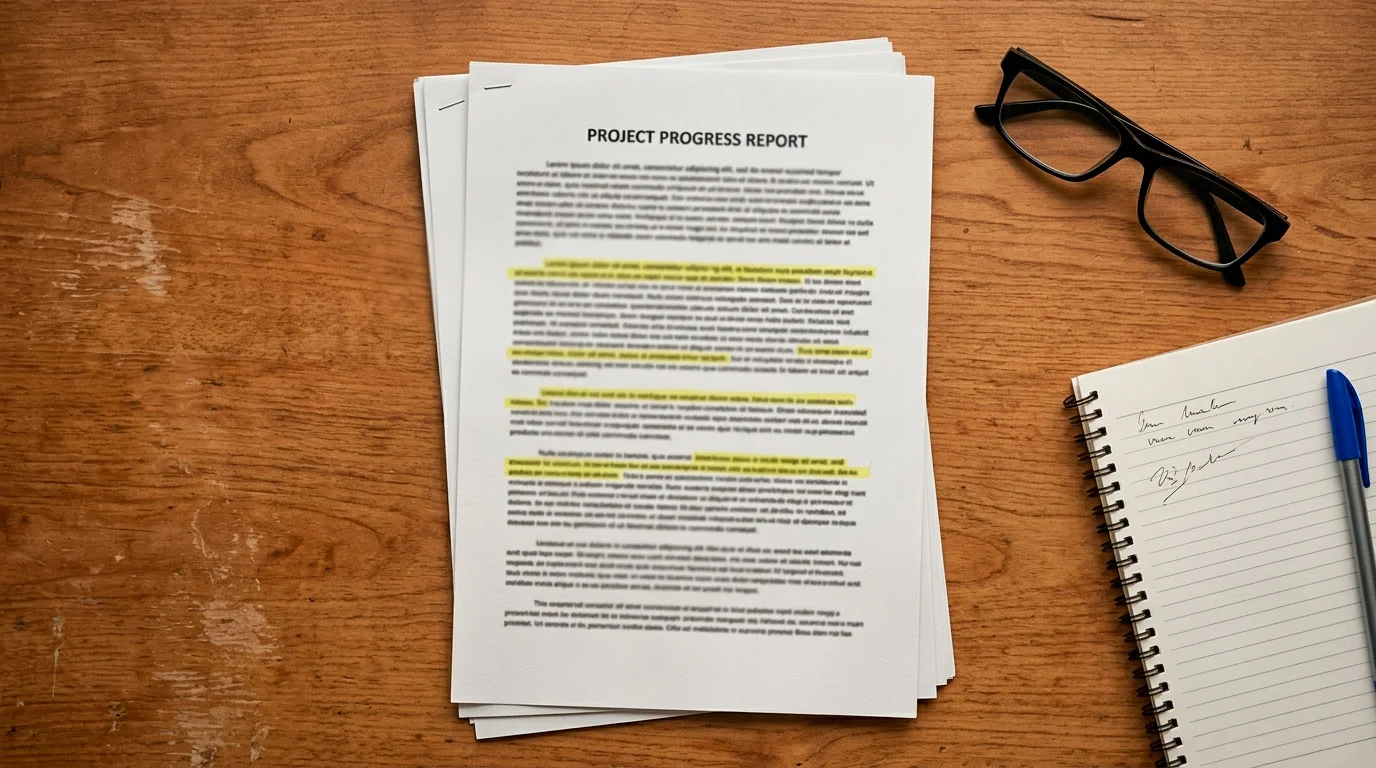
I have come to view the abuse-versus-error distinction as the most important framing in any voided-winnings dispute. Operators have broad discretion to void on what they classify as abuse — bonus farming across multiple accounts, deliberate maximum-bet violations to accelerate wagering, collusion with other players in pooled bonus structures. Where the conduct is genuinely abusive, the contracts have language that supports forfeiture and the operator’s enforcement position is difficult to challenge.
Errors are different. An adult who places one spin above the maximum bet because they did not realise the cap applied during bonus play has made a mistake, not committed abuse. The terms still technically support voiding — but the enforcement decision is discretionary, and the operator’s choice to void rather than warn becomes part of the dispute record if the case goes to ADR. Whether the voiding holds depends on whether the operator can characterise the conduct as deliberate.
The language that surrounds the post-reform cross-sell rules captures the same flavour of ambiguity that surrounds voiding decisions. Industry commentary on the LCCP updates noted that the Commission had moved “in a frustratingly unspecific way that is likely to cause absolute chaos for cross-sell promotions and products”. The observation is about marketing structures, but the underlying tension is the same one that plays out in voiding cases: rules that operate on operator discretion produce inconsistent enforcement, and inconsistent enforcement produces disputes.
My working frame is to ask whether a reasonable adult, reading the terms before deposit, would have understood the specific conduct as prohibited. If the answer is clearly yes, the voiding probably holds. If the answer requires reading three separate clauses and joining them together in a way the marketing copy did not signal, the voiding is challengeable. The honest grey-zone cases — where the conduct sits between mistake and abuse — are where I spend most of my time when helping readers prepare appeal letters.

How An Appeal And An ADR Actually Work
The appeal pathway is more navigable than the initial voiding notice suggests. It runs in three layers, and each layer has its own audience, language and timing. I have seen players collapse the whole process into a frustrated chat exchange with a junior customer service agent and conclude there is no path. There is — it just is not where the operator points by default.
The first layer is a formal complaint to the operator. This is distinct from the chat conversation. The complaint should be written, dated, sent to the customer service email or via the operator’s complaints procedure, and should reference the specific term the operator relied on for the voiding. If the operator did not specify a term in its notice, the complaint should ask which term and request a written response. UK-licensed operators are required to maintain a complaints procedure with defined timeframes, typically resolution within eight weeks. The clock starts on the date the complaint is received, not when chat acknowledged the issue.
The second layer is the operator’s deadlock letter. If the complaint cannot be resolved internally, or the eight weeks elapse without resolution, the operator must issue a deadlock letter — a document confirming the dispute is unresolved and the player may take it to alternative dispute resolution. Deadlock letters are often issued reluctantly; some operators take longer than the prescribed window. The player can escalate to ADR with or without the deadlock letter once the eight weeks have passed.
The third layer is the ADR provider itself. Every UK-licensed operator is required to be a member of an ADR scheme approved by the UK Gambling Commission. The most common providers are IBAS and ProMediate. The ADR provider reviews the case on a documentary basis — the operator’s terms, the chat logs, the complaint correspondence, the bet records — and issues a decision that is binding on the operator and non-binding on the player. The decision sets out reasons, which means the ADR record builds up a body of guidance on which voiding grounds hold and which do not. I read those decisions regularly because they are the closest thing to precedent the licensed UK market has.
Practical tip from many cases: keep deposit confirmations, screenshots of the bonus interface, the original promotional copy you saw before depositing, and the chat transcripts. ADR providers cannot generate evidence the player did not preserve. The operator has its own server-side records, but the player’s preserved documents shape how the ADR provider reads the operator’s position.

The Regulator’s Side Of The Voiding Question
The UK Gambling Commission does not adjudicate individual bonus disputes. The regulator’s role sits one layer above: it sets the framework, requires operators to maintain ADR membership, and takes enforcement action where a pattern of unfair voiding suggests the operator’s procedures or terms are deficient. The pattern matters more than the single dispute.
The Commission’s enforcement output during 2025 was substantial. The 592 Cease and Desist notices and the URL takedown work — 327,964 URLs reported and 203,571 removed between April and December 2025 — were directed primarily at unlicensed operators serving the British market. The licensed operator enforcement runs through licence reviews, financial penalties and public regulatory notices, all of which are visible on the Commission’s published enforcement page. Voiding-related enforcement against licensed operators usually shows up under the broader heading of misleading terms, unfair contract clauses, or systemic failures in complaints handling.
What this means for the individual player is that a single voided bonus is unlikely to attract Commission attention on its own. But repeated complaints to the regulator from many players against the same operator, on the same conduct, do build a record that informs licence reviews. The regulator’s voluntary affordability code launched in May 2024 and the broader compliance environment around customer interaction make operator conduct on bonus voiding more visible than it was five years ago.
The terms-and-conditions architecture itself is increasingly under scrutiny. Where the operator’s welcome bonus contract uses language that buries the trigger for voiding in a clause unrelated to the bonus headline, the regulator’s expectation since the March 2025 reforms is that the contract should be readable and the triggers should be foreseeable. Operators that cling to opaque drafting are likely to find their voiding decisions overturned at ADR more often than they were before the reforms.
The Quiet Discipline That Resolves Most Cases
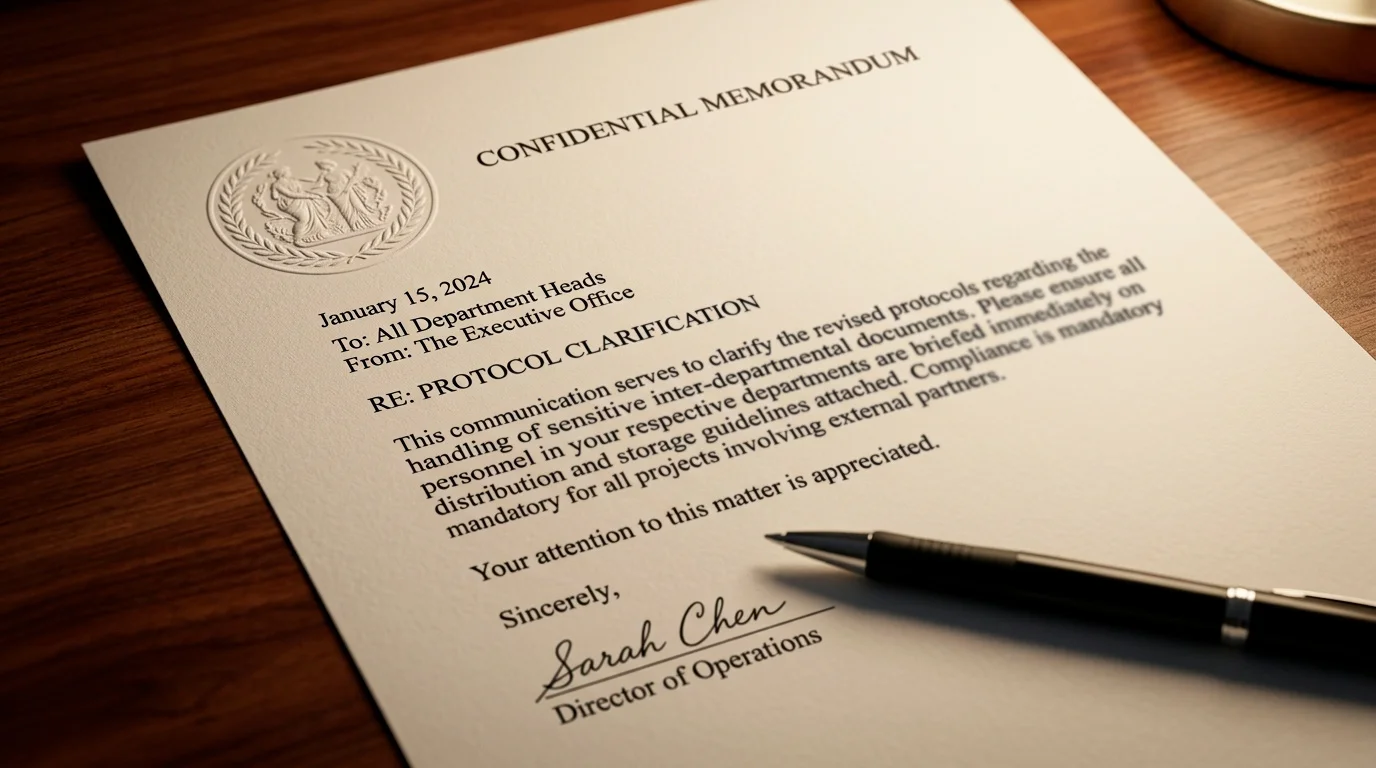
The cases that end well for the player are the ones where the player kept records, escalated through the formal pathway rather than the chat window, referenced specific terms by name, and presented the dispute in a tone that matched the ADR provider’s preferred language. The cases that end badly are the ones where the player gave up at the first response, where evidence was not preserved, or where the conduct genuinely did fall within an enforceable term of the contract.
A voided welcome bonus is not the end of the dispute. It is the start of a process that the licensing regime, the ADR providers and the Commission’s enforcement architecture together support. The operator’s discretion is wide but not unlimited. The player’s documentary discipline is the single largest determinant of outcome.

Can deposit funds be voided alongside bonus winnings?
Deposit funds are usually returned to the source even when bonus winnings are voided, because the deposit itself is the player’s own money and remains separable from the bonus contract. Where the operator characterises the conduct as deliberate abuse rather than error, the deposit can be retained pending investigation, but full forfeiture of deposit funds is uncommon outside fraud or money-laundering cases. The voided amount in most disputes is the bonus value plus the winnings derived from bonus play, with the deposit handled separately.
What is the ADR route for a voided bonus?
The ADR route runs through an approved provider — most commonly IBAS or ProMediate — that every UK-licensed operator is required to be a member of. The player first lodges a formal written complaint with the operator and waits for resolution or for a deadlock letter, with an eight-week window from the date the complaint is received. If the dispute is unresolved, the player submits the case to the ADR provider with supporting documents. The provider’s decision is binding on the operator and non-binding on the player.
Does an operator have to give written reasons for voiding?
UK-licensed operators are expected to provide a written explanation of the term relied upon when voiding bonus winnings, and they must respond substantively to a formal complaint. The initial voiding notice often lacks specifics, but the player can request the specific term in writing as part of the formal complaint. Failure to provide written reasons in response to a properly lodged complaint is itself a procedural ground that strengthens the player’s position at ADR.
This material was created by the WagerVane team.
Related posts
Casino Welcome Bonus Withdrawal: From Wagering Clear to Bank Account

Live Casino Welcome Bonus UK: Why Dealer Tables Are Usually Excluded