High-Roller Casino Welcome Bonus UK: When £500+ Matches Make Sense
 Available in GB
The First-Deposit Conversation That Goes Differently Above £500
I have watched a £1,200 deposit at a UK-licensed operator trigger an automated affordability check inside ninety seconds last December. The customer service follow-up arrived the same evening. The player wanted the welcome match, the operator wanted the supporting documentation, and the bonus credit was suspended until the documents arrived. The Q3 2025-26 figures from the regulator put the average monthly active slot accounts at 4.6 million, with the broader online total at 12.7 million accounts; the share that deposits above £500 in a first transaction is small but compliance-visible from the moment the funds land. Anyone considering a welcome bonus designed for higher-stake players needs to understand the compliance machinery that activates around the deposit before the bonus itself becomes the main question. The full picture is in our guide to the UK casino welcome bonus.

Where The High-Roller Line Sits In Practice
The category boundary is fuzzy and operator-dependent. Most UK-licensed operators draw a distinction at around £500 of first deposit, with the welcome bonus structure changing at that threshold and the compliance machinery escalating slightly. Some operators draw the line lower at £250 — particularly the smaller brands where £250 already counts as an above-average first deposit. Others draw it higher at £1,000 or £2,500, reserving the high-roller welcome offer for players whose first deposit sits at those levels.
The standard high-roller welcome structure is a single-stage match — there are usually no multi-stage packages at this level — with a higher absolute match value and a lower percentage. A typical shape is 50% match up to £2,500, against the more entry-level 100% match up to £100 or £200. The high-roller player who deposits £5,000 gets a £2,500 bonus, a position the operator considers worthwhile to extend because the player demographic is more retentive and the lifetime value calculation supports the larger bonus.
Some operators offer two parallel welcome bonus structures — a standard one available at any deposit level and a high-roller variant available at deposits above the threshold. The player can choose which to claim. The choice is rarely transparent at the deposit screen; it tends to live on a separate landing page or to be discussed in customer service conversations during VIP onboarding. The asymmetry between what is publicly advertised and what is internally available is meaningful at this end of the market.
The headline figures get more impressive than they really are at first glance. A 50% match up to £2,500 still requires the player to deposit £5,000 to maximise the bonus, and the £2,500 bonus is subject to the 10x wagering cap from 19 January 2026 — £25,000 of required turnover. The expected friction across £25,000 of turnover at a 4% house edge is £1,000. The arithmetic does not look catastrophic from the player’s side, but it requires a bankroll and a time commitment that the entry-level welcome offer does not.

What The Match Structure Above £500 Actually Buys
The high-roller welcome bonus is not a better deal per pound than the entry-level offer. It is a different product. The match percentage is lower, the absolute bonus value is higher, and the wagering load is correspondingly heavier. The player buying a £500+ welcome is buying access to a larger play balance and to the VIP onboarding pipeline, not buying a more generous match ratio.
The bonus economics from the operator’s side are tighter at this level. The marketing-cost-per-acquired-player at a £5,000 first deposit is much higher in absolute terms than at a £50 deposit, but the lifetime value gap is even larger. The high-roller welcome bonus is an investment in a customer segment that the operator expects to deposit repeatedly over months and years. The standard welcome bonus is an investment in mass-market acquisition with shorter expected retention.
The wider regulatory and market context is worth keeping in mind. The Betting and Gaming Council’s chief executive has framed the market position bluntly: “Britain has one of the safest gambling markets in Europe but if the Treasury isn’t careful, we could quickly end up like France or Sweden, with huge black markets contributing nothing in tax, offering zero player protection, and providing no funding for sport or the economy.” The high-roller welcome bonus sits at the licensed-market edge of a competitive landscape where unregulated operators offer larger matches without the wagering cap or the affordability machinery. The licensed offers are smaller and tighter than the unregulated alternatives. The trade-off the player makes by staying licensed is real but bounded.
The conversion ceiling on a high-roller welcome bonus is generally narrower in multiplier terms — 2× or 3× rather than the 4× or 5× that entry-level offers sometimes carry. The arithmetic is straightforward: a £2,500 bonus with a 3× conversion ceiling caps total bonus-derived withdrawal at £7,500. The player who wagers through and clears the bonus can withdraw up to that ceiling; anything above is forfeited. The conversion ceiling is the operator’s main exposure control at the high-roller level.

How Affordability Checks Bite At Higher Deposits
The financial vulnerability check threshold dropped to £150 of net deposits over thirty days from February 2025, which means the high-roller deposit is well above the routine compliance trigger before the welcome bonus even credits. The £150 threshold is not a hard limit — it is the level at which the operator’s compliance system applies a soft check using publicly available data — but it does mean that any first deposit above £500, let alone £5,000, sits inside the operator’s active compliance attention from the moment the funds land.
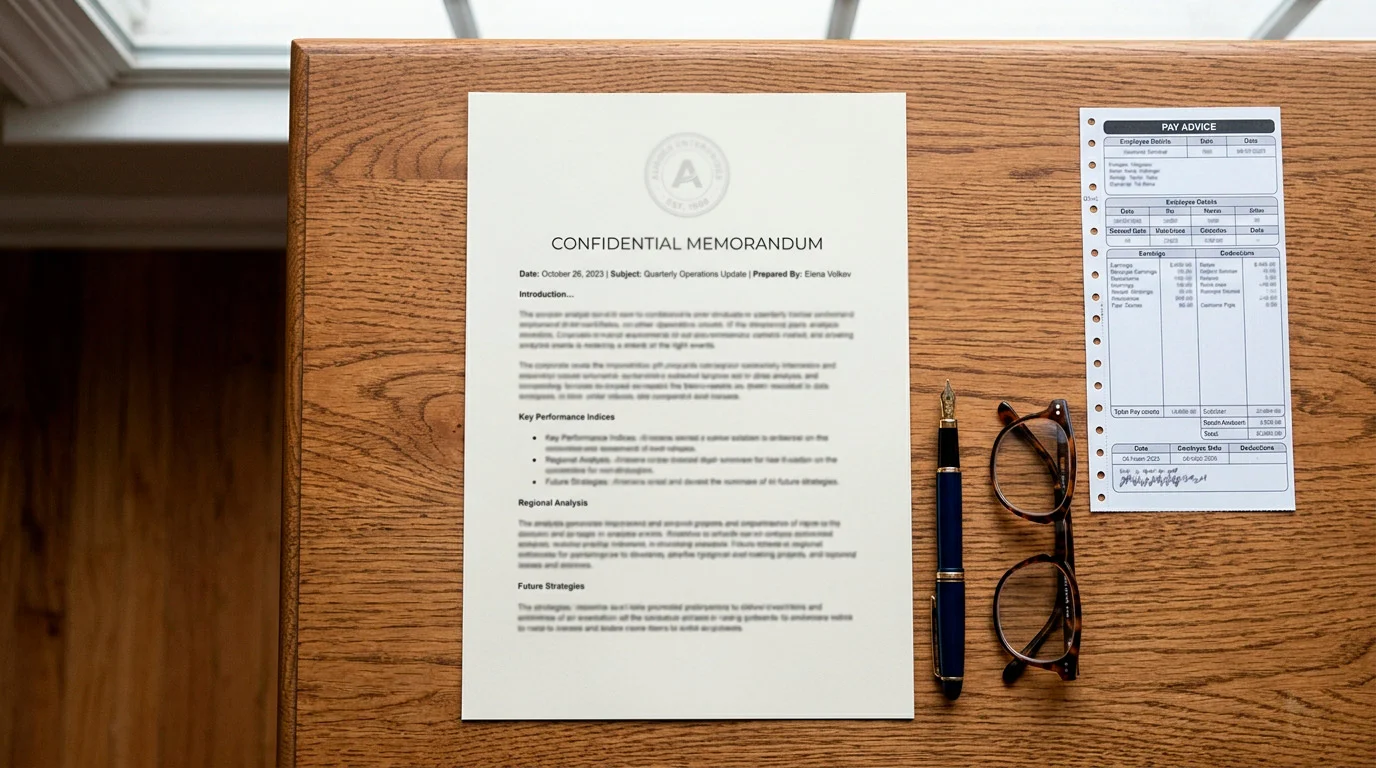
The check at this level is rarely just a soft data look-up. The operator’s compliance team will typically request supporting documentation: bank statements, payslips, evidence of income. The request is framed as part of the operator’s customer due diligence obligation rather than as an affordability check specifically, but the effect on the player is similar. The deposit can sit in a held state while the documents are reviewed, and the welcome bonus credit is usually suspended during the review.
The timing of the review varies. The well-resourced operators turn high-roller documentation around inside twenty-four hours. The more sluggish operators can take three to five working days. The player who deposits on a Friday evening and is asked for bank statements may find the welcome bonus credit delayed into the following week, by which point any time-limited stage clocks attached to the bonus may have meaningfully eroded.
Some high-roller welcome bonuses are designed with longer expiry windows to accommodate the compliance review timing. A standard welcome bonus might have a seven-day wagering window; a high-roller welcome can have thirty days. The longer window absorbs the review delay and gives the player time to clear the wagering once the bonus credits. The asymmetry between the two timeframes is not always advertised, but the difference matters when the player is choosing between two notionally similar offers. Large deposits trigger checks: the £150 affordability line, starts at the £150 net-deposit threshold for routine play$$ — at the high-roller level, the same framework applies but with documentary support requirements layered on top.
Who The High-Roller Tier Is Actually Sized For
The player profile that justifies a high-roller welcome bonus is a narrow one. The bonus is sized for players whose typical playing bankroll is large enough that £5,000 is an unremarkable first deposit, who play frequently enough to absorb the wagering load within the expiry window, and who can document income that supports the deposit level. The profile is genuinely small at the population level. Even within the active casino player base of several million UK accounts, the fraction that fits this profile is in the low single-digit percentages.
The player who deposits £5,000 chasing a high-roller welcome match without the underlying bankroll to support the wagering is in a different category entirely. The bonus does not change the underlying probability of clearing the wagering; it only changes the absolute size of the figures involved. A player whose typical session bankroll is £100 and who deposits £5,000 once to claim a £2,500 match has not become a high-roller — they have made one large deposit that is unlikely to be repeated. The operator’s compliance system catches this profile more often than the player expects, and the welcome bonus credit may not survive the review.
The honest assessment for most players considering whether to chase the high-roller welcome bonus is to consider their normal play patterns. If £500 is already a comfortable session size and £5,000 represents three to six months of normal play volume, the high-roller welcome bonus may genuinely fit. If £5,000 represents a stretch deposit made specifically to claim the bonus, the affordability review is likely to surface the mismatch, and the bonus is less likely to credit cleanly.
The smaller welcome offers — standard 100% matches up to £100 or £200, or low-wagering offers up to similar figures — are sized for the bulk of the UK player population and produce cleaner outcomes for most players than the high-roller alternatives do. The high-roller welcome bonus is a specialist product for a specialist audience, and its arithmetic only works when the underlying conditions are met.

The Position That Reads Cleanest On Bigger Deposits
The cleanest position for a player whose normal play would support a £500+ first deposit is to engage with the welcome bonus offer transparently, supply the affordability documents promptly when requested, and treat the wagering window as a planned commitment rather than a casual exposure. The arithmetic is workable but unforgiving on the player who lets the bonus clock run down or who finds the documentation request unexpected. The bonus is engineered for a specific audience, and the audience that fits will find the offer accessible. The audience that does not fit will find the compliance machinery the more immediate obstacle.

Is a high-roller welcome bonus ever no-wagering?
Rarely, but the structure exists at a small number of operators. The no-wagering high-roller variant typically offers a smaller match percentage in exchange for the absence of wagering — a 25% match up to £1,000 with no wagering, against the 50% match up to £2,500 with 10x wagering. The choice between the two depends on the player’s expected play volume; high frequency players sometimes prefer the larger wagered match, while one-off depositors prefer the smaller no-wagering offer.
How fast does an affordability check trigger at £1,000 deposits?
A £1,000 first deposit sits well above the £150 net-deposit threshold that triggers the routine financial vulnerability check, and most operators escalate to a documentary review within the first hour after the deposit lands. The soft data look-up is automated and runs within seconds; the documentary request typically follows within twenty-four hours. The welcome bonus credit is often suspended during the review period.
Can the operator decline a high-roller match without reason?
Operators can decline to credit a welcome bonus where the affordability or due diligence review does not support the deposit level. The decline is usually accompanied by a return of the deposit funds to the source, not a forfeiture. The operator does not normally have to explain the specific underwriting reasoning, but is required to respond substantively to a formal complaint if the player pursues one through the operator’s published complaints procedure.
This material was created by the WagerVane team.
Related posts

Casino Welcome Bonus Withdrawal: From Wagering Clear to Bank Account

Live Casino Welcome Bonus UK: Why Dealer Tables Are Usually Excluded