Casino Welcome Bonus EV Worked Examples: Three UK Offers Side by Side
 Available in GB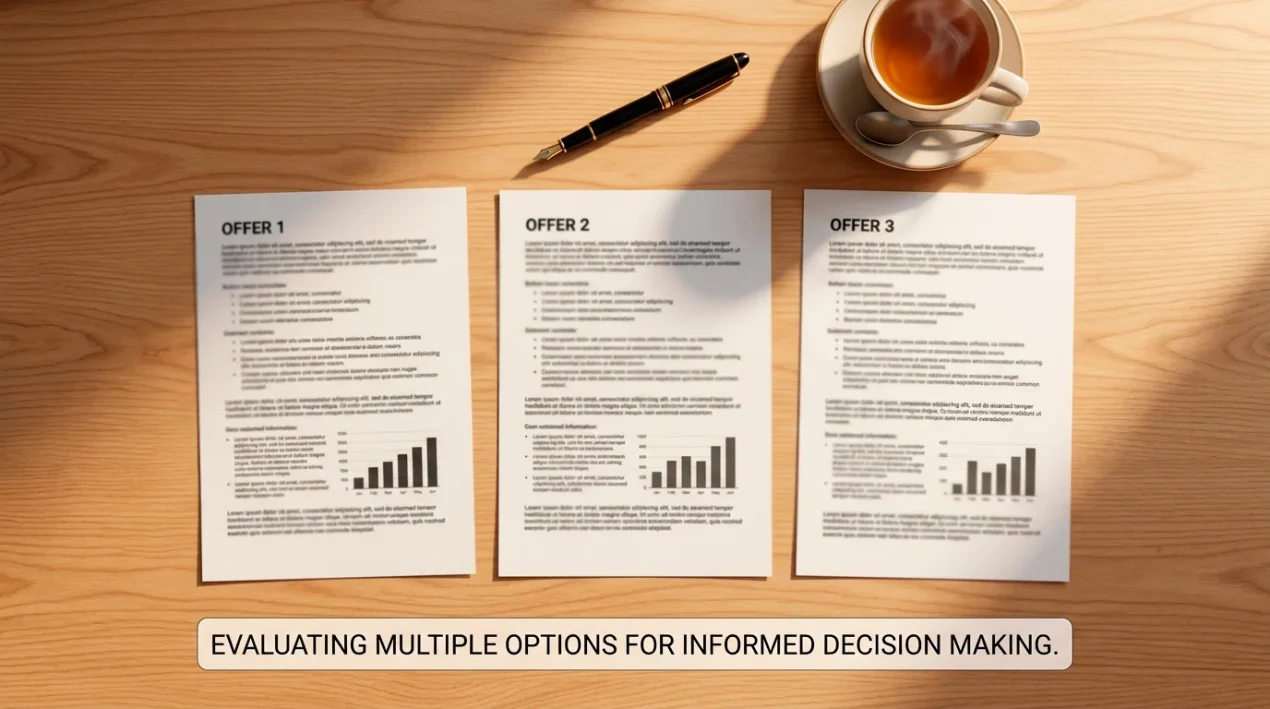
The Comparison Most Players Skip Because The Maths Looks Hard
A reader asked me last spring whether a 50% match welcome bonus up to £100 was ‘better’ than a £20 no-wagering offer at a different operator. The honest answer is that I cannot tell from the headline alone — and neither can anyone else. The comparison only resolves when the wagering, the conversion ceiling, the house edge and the time commitment are all on the table together. The average return-to-player on UK-licensed online slots is around 96%, with a 4% house edge built into the game design. That single number is what turns a wagering requirement from a number on the small print into a real cost. Three concrete worked examples make the comparison readable in a way that a list of bullet points never quite manages. The full picture is in our guide to the UK casino welcome bonus.

The Three Scenarios I Will Walk Through
I am picking three offers that represent the most common shapes in the UK licensed market in 2026. Each is calibrated against the same hypothetical player — a player who deposits £50, plays exclusively on slots at 96% RTP, and is willing to commit the time to clear whatever wagering the bonus requires within the bonus expiry window.
Scenario A is a 50% match up to £100 with 10x wagering on the bonus value and a 4x conversion ceiling. The player deposits £50, receives a £25 bonus, and must wager £250 before withdrawing more than the deposit.
Scenario B is a £20 no-wagering welcome offer with no deposit match. The player deposits £50, receives £20 of bonus credit that becomes cash immediately, and can withdraw at any time.
Scenario C is 100 free spins valued at 10p per spin with all winnings paid as cash. The player deposits £50, receives 100 spins worth £10 of nominal stake exposure, and can withdraw any winnings from the spins without wagering.
The same deposit, the same player, three different products. The expected value calculation tells you which one to pick under specific conditions — and which one to skip.

Scenario A The 50 Per Cent Match With 10x Wagering
The player deposits £50, the operator credits a £25 bonus, and the playing balance is £75. The wagering requirement is 10x the bonus value, which is £250 of required turnover on the £25 bonus. At a 96% RTP, the expected loss across £250 of turnover is £10. The expected closing balance after wagering completes is £75 minus £10, which is £65.
The conversion ceiling is 4x the bonus value, which is £100. The expected closing balance of £65 sits well below the ceiling, so the full balance is withdrawable on completion. The player’s net expected return from the bonus is £65 minus the £50 deposit, which is £15.
The £15 expected value compares favourably to the £25 bonus headline, but the gap is the cost of the wagering. The player who never claimed the bonus and just played the £50 deposit through £250 of turnover would have an expected closing balance of £50 minus £10, which is £40 — a £10 expected loss against the £50 deposit. The bonus shifts the expected outcome from -£10 to +£15, a £25 swing that exactly tracks the bonus value at 96% RTP.
The variance around the expected value is wide. The standard deviation of slot wagering at this volume is large enough that the actual closing balance can range from near-zero to multiples of the bonus value in either direction. The expected value tells you the long-run average across many similar bonus claims; the single bonus outcome can sit anywhere along a distribution that includes both £0 and £400 with non-negligible probability.
The time cost is the part of the calculation that does not show in pounds. Wagering £250 at 50p stakes takes 500 spins, which is roughly an hour and a quarter of slot play at typical pace. The player who values their time at any positive rate is implicitly trading time against the £15 expected return. Whether the trade is worth it depends on the player’s alternative use of the same time.
Scenario B The £20 No-Wagering Welcome Offer
The player deposits £50, the operator credits a £20 no-wagering bonus, and the playing balance is £70 with £20 of it immediately withdrawable as cash. The player can withdraw the £20 instantly and leave the £50 deposit to be played at the player’s preference. The expected value calculation is straightforward: £20 of free money, no wagering, no friction.
The arithmetic is cleaner than Scenario A. The expected return is £20 against the £50 deposit — a 40% headline return that requires no time commitment and no wagering completion risk. Compared to Scenario A’s £15 expected return, the no-wagering offer is a better deal in absolute terms despite the smaller headline bonus.
The catch is that the no-wagering offer is rarely sized as generously as the matched-with-wagering offer at the same operator. The £20 no-wagering offer typically caps at smaller absolute values — £20 to £30 is common — while the matched-with-wagering offer can run to £100 or £200 of bonus value. The player whose deposit and wagering capacity could clear the larger matched bonus might be giving up a larger expected return by taking the smaller no-wagering offer instead.
The variance is also different. The no-wagering bonus has zero variance from the player’s side — the £20 is paid as cash and is not subject to play outcome. The matched-with-wagering bonus has substantial variance around its expected value. Players who value certainty of outcome should prefer the no-wagering structure even where the matched bonus has a higher expected value. Players who are indifferent to variance should pick on expected value alone.
The time cost on the no-wagering offer is zero. No wagering means no spins, no clock, no friction. The player can withdraw the £20 immediately and walk away. The contrast with the time investment required to clear Scenario A is stark and is part of why no-wagering offers have grown in popularity in the post-reform market.

Scenario C The 100 Free Spins With Cash Payout
The player deposits £50, receives 100 free spins valued at 10p per spin, and the winnings from the spins are paid as cash with no wagering. The expected return from 100 spins at 10p with 96% RTP is 100 multiplied by 10p multiplied by 96%, which is £9.60. The expected value of the spins themselves is £9.60 in cash.
The arithmetic puts the offer below Scenario B’s £20 in expected value terms. But the variance is much higher. The spin distribution includes occasional large wins — a single spin at 10p on a high-volatility slot can produce a £50 or £100 win — which means the actual outcome on the spins can be far from the £9.60 expected value in either direction. The player who picks Scenario C is implicitly choosing variance over expected value.
The market context for spin-based offers is worth registering. Slot GGY in Q3 2025-26 reached a record £788 million across 25.7 billion online spins, with average monthly active slot accounts of 4.6 million. The operator’s economics on free spin offers benefit from the same average return that the player faces — the operator pays out 96% of the spin’s nominal stake value in expected terms, and books the remaining 4% as marketing cost. The offer is consistent with the operator’s overall slot economics.
The qualifying slot for the spins matters significantly. A spin valued at 10p on a 96% RTP slot has an expected return of 9.6p. A spin on a 92% RTP slot — and some titles in UK-licensed casinos do sit at the lower end of the licensed RTP range — has an expected return of 9.2p. Across 100 spins the difference is 40p, which is not catastrophic but does meaningfully change the expected value comparison.
The Ranking And Why It Depends On Your Variables
The expected value ranking is Scenario B at £20, Scenario A at £15, Scenario C at £9.60. Scenario B wins on raw expected return. But the ranking changes once other variables are considered.
If the player has bankroll to spare and wants the largest absolute return, Scenario A’s £15 expected return scales with the deposit. A £100 deposit at 50% match yields a £50 bonus with £30 expected value after wagering. A £200 deposit yields £100 of bonus with £60 expected value. The Scenario A structure scales; the Scenario B no-wagering offer is capped at the £20 maximum and does not scale with larger deposits.
If the player values their time, Scenario B remains the cleanest option. The £20 is paid as cash instantly and requires no playing commitment. Scenario A’s £15 expected return is contingent on completing £250 of wagering, which is time the player has to spend whether the eventual outcome is good or bad.
If the player is variance-tolerant and enjoys the spin product, Scenario C’s £9.60 expected value is lower but the experience cost is also lower — 100 spins is fun on its own merits, and the offer is the cheapest way to access that experience in terms of upfront commitment. The player who values the entertainment can claim Scenario C on the entertainment merits without worrying about the smaller expected return.
The position that reads cleanest across the three is to pick on the player’s actual variables — bankroll, time, variance tolerance — rather than on the headline figure or the absolute expected value. The arithmetic above is the foundation. The decision framework that sits on top of it is where individual preferences make the call. The derivation behind the numbers: expected value.

Does scenario ranking change if the player only has 30 minutes per session?
Yes, materially. Thirty minutes is roughly enough time to wager £100-£150 at typical slot pace, which is below the £250 turnover required to clear Scenario A’s wagering. The player would need multiple sessions to complete Scenario A, raising the risk that the bonus expiry window closes before wagering completes. Scenario B and Scenario C both fit inside a single thirty-minute session without time pressure, which makes them the more practical choices under that constraint.
Why does a smaller no-wagering offer often beat a larger match?
The matched offer’s headline value is reduced by the wagering friction — the expected loss across the required turnover at the prevailing house edge. A £25 bonus at 10x wagering loses £10 of expected value to friction at 96% RTP. The £20 no-wagering bonus loses nothing to friction. The match has to be substantially larger than the no-wagering offer to compensate for the friction, and at modest deposit levels the no-wagering structure often wins outright.
How sensitive is the ranking to a 4% house edge versus 4.5%?
The sensitivity is meaningful but not order-changing in the typical comparison. A 4.5% house edge versus 4% reduces Scenario A’s expected return on £250 of wagering from £15 to roughly £13.75 — a £1.25 reduction. The no-wagering Scenario B is unaffected because there is no wagering. The free-spins Scenario C is reduced from £9.60 to £9.55 across 100 spins. The ranking stays the same; the gaps between the scenarios just compress slightly.
This material was created by the WagerVane team.
Related posts

Casino Welcome Bonus Withdrawal: From Wagering Clear to Bank Account

Live Casino Welcome Bonus UK: Why Dealer Tables Are Usually Excluded