Casino Welcome Bonus Game Weighting: Why Roulette Counts 10% (or Zero)
 Available in GB
The Hundred-Pound Bet That Counted As Ten
I once watched a friend lose his mind because he had placed £100 of roulette bets against welcome wagering and the operator’s counter had moved only £10. The maths was correct — roulette contributed at 10% — but the contribution rate was on page four of the T&Cs, in a paragraph that did not mention numbers explicitly. He had spent an hour clearing what he thought was £100 of turnover and found himself with £90 still to do.
That is game weighting in one image. The bonus advertises a turnover figure. The contribution rates determine how that turnover is calculated against your actual stakes. The two numbers can diverge dramatically. A 10× wagering requirement on a £20 bonus is £200 of turnover — but only at 100% contribution. On a 10% contribution game, the same wagering requires £2,000 of stake. The arithmetic is rarely on the landing page and almost always in the T&Cs. The full picture is in our guide to the UK casino welcome bonus.
How The Standard Weighting Table Is Shaped
The contribution table is essentially uniform across UK operators, with minor variations at the edges. Slots contribute 100% of stake to turnover — every pound staked counts as a pound of wagering. Table games contribute 10% to 25%, with blackjack and baccarat usually at the lower end of that range and roulette at the higher. Video poker contributes between 10% and 50% depending on variant. Live dealer products usually contribute at the same rate as their non-live equivalents, sometimes lower. Specialty games — scratch cards, virtual sports, instant wins — vary widely and are increasingly excluded entirely from contribution.
The shape exists because of house edge. Slots run at a 4% to 6% house edge across the typical UK selection, which gives the operator a predictable rate of friction extraction during clearing. Blackjack played with basic strategy can run at a 0.5% house edge, which would let a competent player clear wagering at very low expected cost if it contributed at 100%. Weighting blackjack at 10% forces ten times more turnover, which produces the same expected friction the operator gets from a slot at 100%. The weighting is a tool to normalise the operator’s expected payout across different game types.
That logic is consistent across the market, which is why the contribution tables look nearly identical between operators. Where they differ is usually in the edge cases — which specific slot titles are excluded from contribution, whether jackpot slots are weighted lower than non-jackpot slots, whether feature buys in slots contribute differently from base spins. The core table is industry-standard; the exclusion list is brand-specific.
Slots At 100%: The Norm With Exceptions
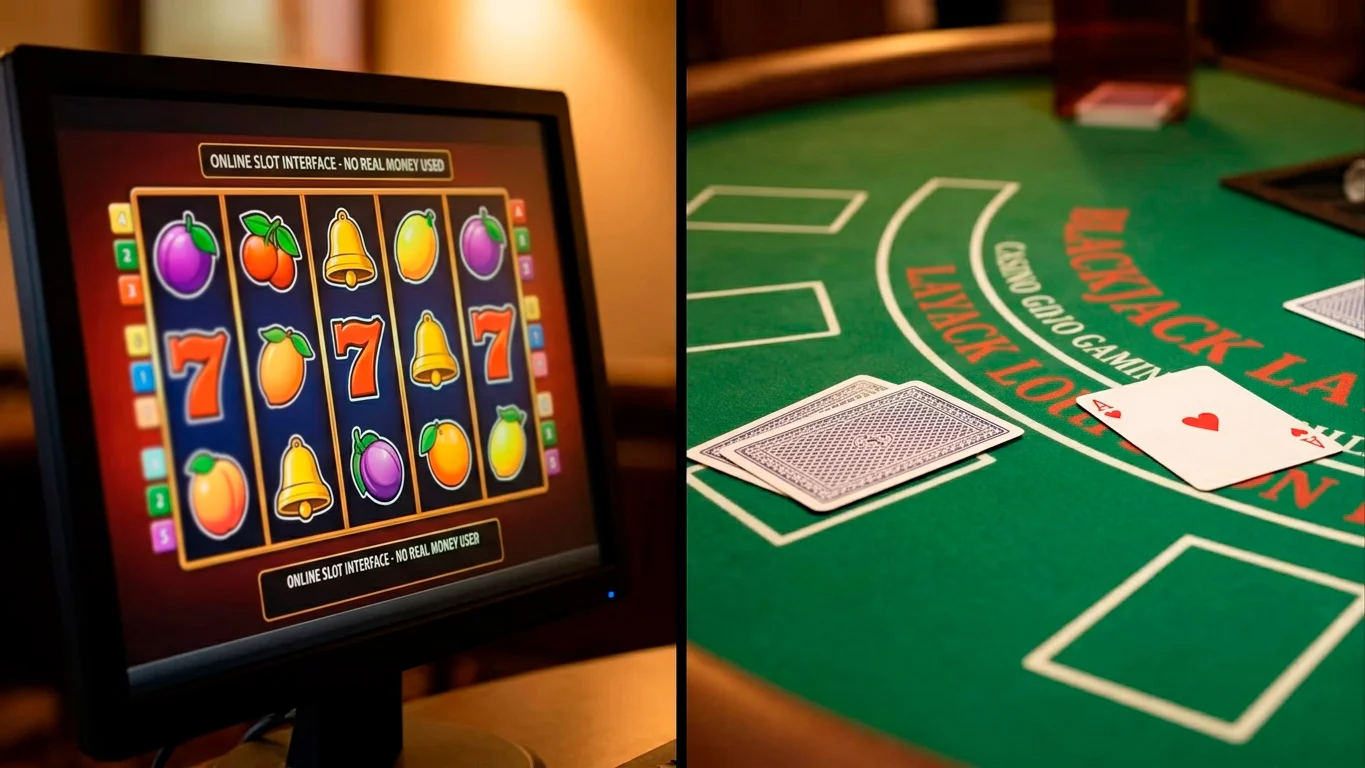
The 100% slot weighting is the default but is not universal. Operators maintain exclusion lists that name specific slot titles which contribute at 0% or at a reduced rate during wagering. The exclusion list typically includes the highest-RTP slots, the highest-volatility slots, and any title that has historically been used for bonus abuse strategies. Number of online spins reached 25.7 billion in the third quarter of 2025-26, up 7% year on year, and the high-volume titles are tracked individually for their bonus-clearing efficiency.
The exclusion mechanic catches readers most often when they choose a slot from the operator’s lobby without checking the bonus eligibility list. The slot plays normally, the wins credit normally, but the turnover does not register against wagering. The discovery moment is when the wagering counter does not move despite hours of play, and the explanation lives in a separate document that the operator does not surface during ordinary navigation.
Branded slots and licensed content are increasingly common on exclusion lists. The rationale is partly licensing economics — branded titles pay royalty fees that erode the operator’s margin, so excluding them from bonus play protects the cost structure. The rationale is also volatility — some branded titles run at extreme variance profiles that produce inconsistent operator outcomes during bonus clearing. The exclusion list is the lever that protects both concerns.

Table Games At Ten To Twenty-Five Percent
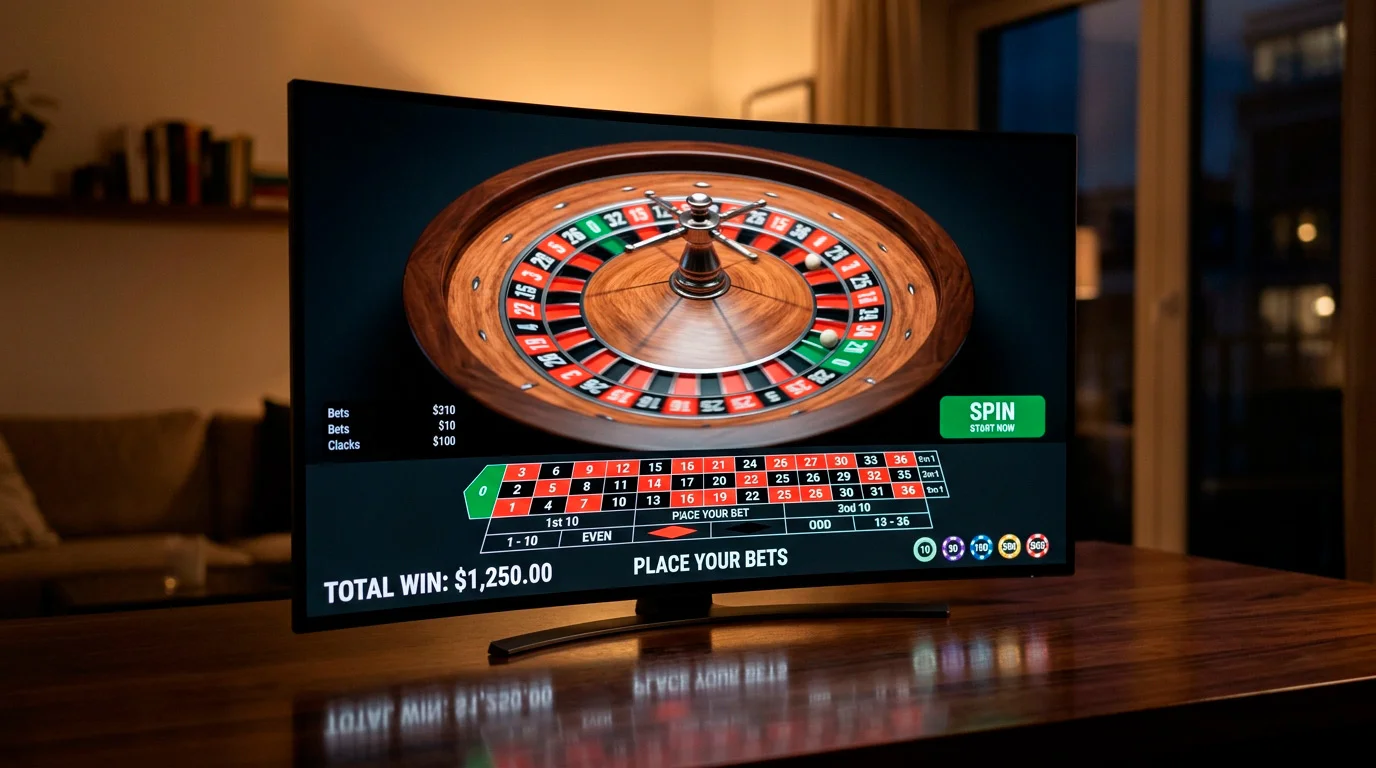
Roulette in its various forms — European, French, American — sits at 10% to 25% contribution across the UK market. The variation is partly historical and partly strategic. European and French roulette have a lower house edge than American, so operators sometimes weight them lower to compensate. Where the operator runs only European roulette, all variants contribute at the same rate. The cleanest cases have a single roulette contribution rate stated in the T&Cs.
Blackjack is similarly clustered around 10% to 15% contribution. The variation often distinguishes between rule sets — single-deck blackjack with player-favourable rules contributes lower than multi-deck with house-favourable rules. Side bets in blackjack often contribute at the standard slot rate, because they carry a higher house edge than the main game. This produces the slightly absurd outcome that a £5 side bet contributes more to turnover than a £100 main bet on the same hand.

Baccarat and other table games follow similar logic. The contribution rate maps inversely to the player’s optimal expected value against the house. Games where competent play approaches a break-even outcome — baccarat with optimal betting strategy, video poker on the right pay tables — receive the lowest contribution rates, sometimes 5% or zero. The operator is not punishing skilled play; they are normalising the expected friction across game types. The same logic that informs the weighting table also informs which games appear on the live casino floor at all. The picture of how live dealer products interact with welcome bonus eligibility sits in the live coverage and follows directly from the contribution arithmetic.
Excluded Categories And Why They Are Excluded
Some categories of game contribute zero to welcome wagering. Progressive jackpot slots are sometimes excluded, particularly when the operator’s conversion cap could be undermined by a six-figure jackpot win on bonus funds. Live dealer products are increasingly excluded as a category, both for licensing economics and because the operator’s promotional cost recovery is slower on live games than on slots.
Sports betting is universally excluded from casino welcome wagering — the two products are licensed separately under the LCCP framework and the cross-product ban from 19 January 2026 reinforces the separation. A casino welcome bonus cannot be wagered through on sports markets, and vice versa, even when the operator runs both products under the same brand.
Specialty categories are the most operator-specific. Scratch cards, virtual sports, bingo rooms, lottery products — each operator decides their contribution rate independently. Some exclude entirely. Some contribute at 100%. Some sit at the 10% to 25% range that table games occupy. The variability here is the highest of any category, and the only reliable approach is to check the specific operator’s T&Cs before staking on anything outside the slot category.
Where The Weighting Hides In The Small Print
The contribution table is almost always available, somewhere, in the operator’s promotional documentation. The question is how visible ‘somewhere’ is. The cleanest operators publish a clearly formatted table on the same page as the welcome bonus T&Cs. The opaque operators bury the table in a separate document linked at the bottom of the T&Cs, with the link labelled non-descriptively. The worst operators do not publish a table at all and require the player to email customer support for the contribution rates. Weighting only matters because of the wagering requirement.
The Commission’s transparency push through 2025 has reduced the prevalence of the worst cases. The mandatory wagering requirements calculator displays the turnover requirement in pounds, but the contribution rates are still presented separately. The bar set by the better operators is publishing both — the pound-denominated turnover and the contribution table — on the same screen. The bar set by the regulator is publishing them at all in a place the player can find.
The practical advice for a player is to read the contribution table before opting in, not after. If the table is not findable in under two minutes of navigation, the operator has chosen opacity as a positioning, and the offer is worth less than its T&Cs claim. The relationship between visibility of contribution rates and the overall quality of the welcome offer is one of the most reliable signals in the entire category.

Frequently Asked Questions
Why do high-RTP slots sometimes contribute 0%?
High-RTP slots return more of the player’s stake on average, which means the operator’s expected friction during bonus wagering is lower. Excluding these titles from contribution protects the operator’s promotional cost recovery — they would rather players clear wagering on lower-RTP titles where the friction extraction is more reliable. The exclusion list typically includes the highest-RTP slots, the highest-volatility titles, and any specific games that have historically been used for bonus-clearing strategies. The exclusion is part of the contribution table, not a hidden penalty.
Can game weighting be hidden inside a ‘restricted slots’ list?
Yes, and it frequently is. A slot can appear in the operator’s main lobby, play normally, and credit wins normally — but contribute zero to bonus wagering because it sits on a restricted list that is published in a separate T&Cs document. The discovery moment is usually after several hours of play, when the wagering counter has not moved despite normal-looking sessions. Checking the restricted slots list before staking is the only reliable defence, and the better-organised operators publish the list on the same page as the wagering T&Cs.
Does game weighting apply to free-spin winnings or only bonus cash?
Free-spin winnings are typically treated as bonus funds for wagering purposes, which means the contribution table applies in full. A 10% table-game contribution rate that applies to bonus cash also applies to bonus funds derived from free-spin winnings. Where the free spins are wager-free, the contribution table is irrelevant because no wagering is required. The wagering-bearing free-spin offer is the more common variant, and the contribution rates govern the clearance arithmetic identically to bonus cash.
This material was created by the WagerVane team.
Related posts

Casino Welcome Bonus Withdrawal: From Wagering Clear to Bank Account

Live Casino Welcome Bonus UK: Why Dealer Tables Are Usually Excluded