Best High-Volatility Slots UK: What to Expect
 Available in GB
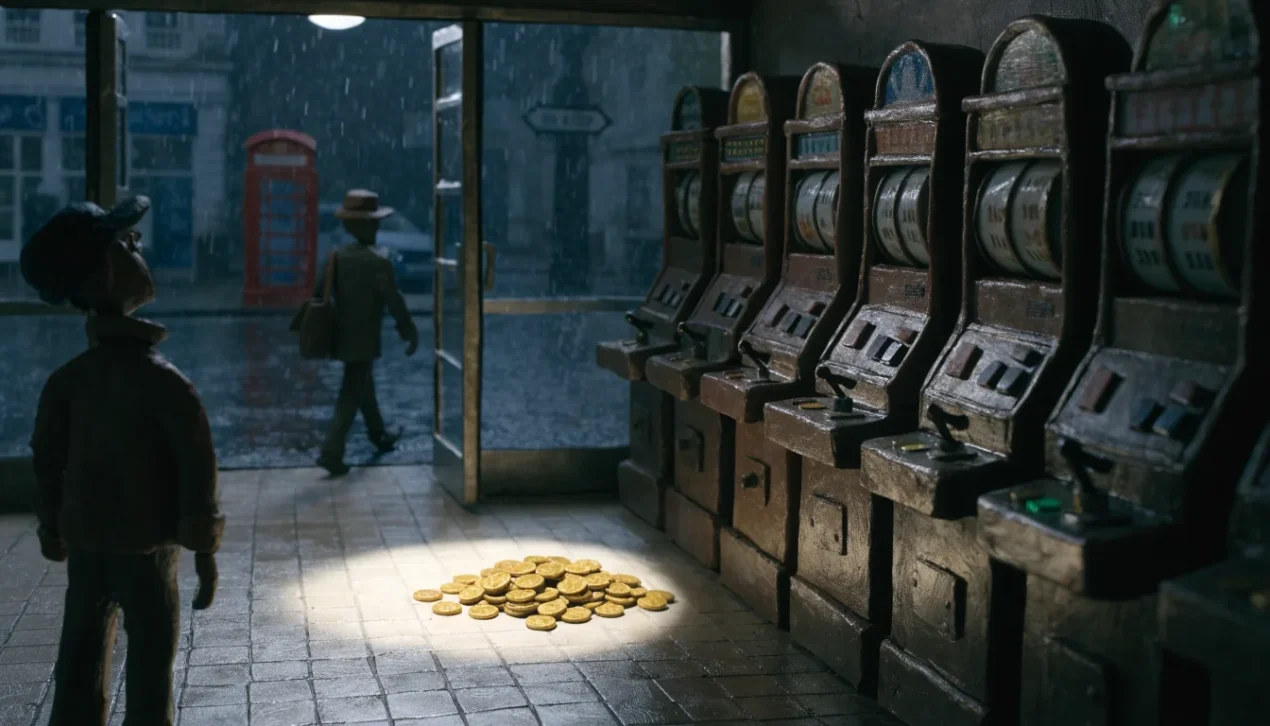
Volatility describes how often wins tend to arrive and how large they may be, but it cannot predict the outcome of any spin.
How Slot Volatility Shapes Your Session
A slot session is shaped not only by how much you stake, but by how returns tend to arrive. High-volatility slots are associated with wins that occur less often but can be larger. Low-volatility games spread returns across more frequent, smaller wins. Neither pattern tells you what will happen on a particular spin; it describes the broad character of a game’s results.
That difference affects the rhythm of play. On a low-volatility slot, smaller winning combinations may appear often enough to make the session feel active. Across most titles, such games typically produce a winning combination every three to six spins on average. This is a general pattern, not a schedule: a run of spins can pass without a win, and a result on one spin does not make a win due on the next.
With high-volatility slots, you may see longer stretches without a notable return. A larger win may be possible, but its possibility does not mean it is likely to appear during your session. You could finish without seeing one. The contrast is therefore less “steady wins versus a big win” than different distributions of results: one tends to deliver smaller returns more often, while the other tends to concentrate returns into less frequent, potentially larger outcomes.
The feel of a session
Frequent small wins can make a low-volatility game feel as if it is giving something back regularly. That feeling can be misleading if you treat each win as evidence that your balance is protected. A win can be smaller than the stake that led to it, and a series of modest returns does not establish that the session is profitable overall. The pace of visible wins and the net result are separate things.
High-volatility play can feel quieter for longer, then change sharply if a substantial result lands. It can also remain quiet until you stop. That unevenness matters when you are deciding what kind of session you want: one with more frequent feedback, or one where wins may be less common and more uneven in size. It does not make either style a dependable way to recover losses or reach a target.
Best RTP Casino Slots UK: What the Figures Mean
The word “win” can itself obscure the distinction. A winning combination is a result the game recognises as a payout; it does not necessarily mean your balance has increased after the stake is accounted for. If you focus only on how often winning combinations appear, you can miss whether their value is enough to offset the cost of the spins. The distribution of returns is more informative than the simple presence or absence of a win.
Why recent results are not a guide
Volatility describes a broad pattern, not a prediction for the next spin or a promise about the length of a dry spell. A low-volatility slot can have an unbroken run without a winning combination. A high-volatility slot can produce a win early. Those outcomes do not, on their own, show that the game has changed its behaviour or that a larger result is now due.
This is why a short session may give you a poor impression of a game’s general rhythm. You might encounter an unusual cluster of small wins, or spend much of the session seeing little return. Either experience can happen without disproving the game’s broad volatility profile. Treating a brief run as a reliable sample invites a familiar mistake: assuming that past spins have made a particular future result more likely.
For a similar reason, descriptions such as “high” or “very high” volatility should not be read as a ranking of value. They refer to how results are distributed, not to whether the game offers better odds or a more favourable overall return. A possibility of a larger payout is not the same as a greater chance of coming out ahead.
When comparing high-volatility online slots with lower-volatility titles, pay attention to the session pattern you are willing to experience, rather than imagining a particular outcome. If long gaps between meaningful returns would make you increase your stake or continue longer than planned, a high-volatility game may be a poor fit. If frequent small wins might encourage you to mistake activity for progress, the lower-volatility pattern has its own risk of misinterpretation.
A low-volatility slot can have an unbroken run without a winning combination. A high-volatility slot can produce a win early.
The practical distinction is simple, even if individual results are not: low volatility tends to mean smaller returns appearing more often; high volatility tends to mean less frequent returns that may be larger. Neither pattern guarantees a win, and no single session can promise to resemble the average. That is the starting point for comparing games, not a prediction of what your next set of spins will deliver.
What to Look at on a Slot Machine
A slot’s layout can tell you how its stake is organised, even before you consider the details of its bonuses. Look at the reels, paylines and betting controls together: each affects how a selected stake is used, but they do not tell you what a future spin will return.
Reels and paylines
The reels are the vertical columns of symbols that move during a spin. Paylines are the routes across those reels on which matching symbols may form a winning combination. A game’s display or paytable should show how those routes work and which combinations count.
A 5 reel slot game can apply a bet across all five reels. That does not mean the displayed stake is multiplied by the number of reels: the game’s controls and paytable explain how the total bet is allocated. Check whether the amount shown is the full stake for a spin, and whether changing the number of active paylines changes it. If every payline is fixed as active, the interface should make that clear.
Paylines can run horizontally, diagonally or along other patterns. Some games use fixed lines; others let you choose how many to activate. More lines can create more possible routes for a combination, but they also affect how the stake is divided or set. Read the paytable alongside the bet controls rather than assuming that a larger line count means a larger possible payout.
Best High RTP Slots UK: What RTP Really Means
What the paytable shows
The paytable is the machine’s explanation of its symbols and rules. It should identify winning combinations, explain whether symbols can substitute for others, and show any conditions attached to a feature. It is also where you can check the game’s reel layout and whether the stake applies to all available lines.
For a slot with high volatility, the paytable may show features or combinations that can produce sizeable awards, but a prominent top prize is not a description of how often it occurs. Nor does a list of high-value combinations tell you how a particular session will unfold. Treat the paytable as a rules document, not a forecast.
If a rule is unclear, pause before placing a stake. Check what counts as a win, whether a feature requires a particular combination, and how the displayed bet relates to the spin. A game can look familiar while using different line rules or symbol behaviour.
Design clues in lower-volatility titles
Some visible features are commonly associated with low-volatility slots. These titles typically use five reels and at least twenty-five paylines. Their jackpot amounts are generally fixed rather than drawn from a progressive pool, and their bonus rounds may multiply wins already accumulated.
These details can help you understand a game’s construction, but they are not a reliable shortcut for identifying every title’s volatility. Reel count alone says little: five reels do not make a slot low or high volatility. Payline count is also a design choice, not a promise of a particular return. Look at the whole ruleset, including how the game handles wins and what its bonus round does.
Understanding Jackpot Types
A fixed jackpot is set at a stated amount, while a progressive pool can change as play contributes to it.
A fixed jackpot is set at a stated amount, while a progressive pool can change as play contributes to it. That distinction describes how the prize is structured, not how likely you are to win it. Similarly, a multiplier can increase an award within a bonus round, but the presence of one does not establish the overall character of the game.
Check the controls before you play
The stake selector should make the chosen amount visible before a spin. Check whether the amount refers to the whole game cycle, how any line selection affects it, and whether a separate feature bet is involved. Avoid relying on a remembered setting from another game: controls and labels can differ between machines.
The game’s rules should also explain what happens when a symbol appears in a particular position, whether a win must follow a specified line, and how bonus conditions are triggered. This is especially useful when a slot has several symbol types or a feature screen that is not obvious from the main reels.
A machine’s appearance can suggest its style, but mechanics matter more than artwork. Reels, lines, stake settings, symbol rules and jackpot structure give you a clearer account of what you are choosing. None of them turns a high-volatility slot machine into a predictable one; they simply let you understand the setup before deciding whether to play.
Game Features That Can Change the Shape of a Win
A slot’s features can affect when a return arrives and how large it may be, without changing the uncertainty of the outcome. A bonus round, multiplier or jackpot is part of the game’s design, not a promise that a particular spin will pay. To understand what a feature can do, look at its rules: what triggers it, what gets multiplied and whether the result depends on further random outcomes.
Best Video Slots UK: How Online Slots Work
Bonus rounds and accumulated wins
Bonus rounds can change the sequence of play. A game may move from its regular spins into a separate feature in which particular symbols, picks or other events determine the result. Some rounds add a prize directly; others build on wins already collected during the feature. The distinction matters: a multiplier applied to accumulated wins can enlarge an existing result, but it does not create a win by itself.
Read the feature description closely. It should explain how the round starts and how its prize is calculated. If a multiplier applies only to wins made during the bonus, it should not be read as multiplying the original stake or every prize in the game. Likewise, a feature that can produce several outcomes may still end with no substantial return. The title of a bonus is less informative than its actual rules.
A bonus can also affect the timing of a return. A player might spend many spins in the base game before the feature appears, then see the result resolved in a short sequence. The feature’s presence therefore tells you something about the possible shape of play, not when it will arrive. A description of what could happen is not evidence that it is likely to happen on your next spin.
Multipliers and prize structure
Multipliers can be attached to individual wins, symbols or bonus rounds. Their practical effect depends on what they apply to and when. A multiplier on a small win may still produce a modest result; one applied to a larger accumulated win can have a more noticeable effect. Neither wording nor visual presentation tells you how often the relevant combination will occur.
Attention A multiplier applied to wins accumulated during a bonus does not necessarily multiply the original stake.
Some low-volatility titles use bonus rounds that multiply wins accumulated within the feature. That design can make the prize vary with what happens during the round, rather than awarding one fixed bonus amount. A fixed jackpot is different: its stated amount does not grow through a progressive pool shared or linked across play. These are design distinctions, not a ranking of which game is better for a particular player.
Paylines and reels also shape how features are encountered, but they do not explain the value of a bonus on their own. A 5 reel slot game may have many paylines and still rely on a feature whose outcome is uncertain. The key questions remain what combination triggers the feature, which wins count towards it and whether the multiplier is limited to that feature.
What a feature description can tell you
When considering high volatility slot games, separate the possible prize from the conditions for reaching it. A large displayed multiplier may apply only after a specific event, or only to wins generated in a bonus round. A jackpot label may refer to a fixed prize or to a pool that changes over time. Those details are more useful than a dramatic animation or a headline figure.
The same caution applies to descriptions of high volatility slot games in the UK. Game information can set out the rules and possible outcomes, but it cannot tell you that a feature is due or that a session will recover earlier losses. A bonus is a component of the game, not a schedule for payouts. If the rules are unclear about how a prize is formed, do not assume the most generous interpretation.
Best 3-Reel Slots in the UK: Format and Features
Return to the game’s paytable and feature instructions before staking real money. Check whether wins must occur in a particular mode, whether a multiplier carries forward, and whether any stated jackpot is fixed or progressive. These points help you understand the mechanics without treating a possible top prize as a likely result.
Online casino gambling in Great Britain is regulated by the UK Gambling Commission, which oversees remote gambling offered to consumers there even when key equipment is located elsewhere. That regulatory role sits around the game; it does not make an individual bonus predictable. The feature rules describe what the game permits, while the result of play remains uncertain.
What High Volatility Means in Practice
Volatility describes how unevenly a slot’s returns tend to arrive. It is about the pattern of outcomes, not a promise about what you will get back. A high-volatility slot tends to pay out less often, with wins that can be larger; a low-volatility slot tends to spread returns across more frequent, smaller wins. Neither description tells you when a win will happen or how large it will be.
That distinction matters because “high” can sound like a rating of quality. It is not. High volatility does not mean a game is more generous, more likely to produce a profit, or more rewarding over time. It means that its wins are less evenly distributed. A stretch without a notable payout is compatible with the design, just as an unusually large win can occur without making the next one more likely.
Volatility Profile
Volatility describes the broad shape of outcomes across play, not a schedule that guarantees a big result.
The word “potentially” does important work here. A high-volatility game can produce a large payout, but that possibility is not a forecast for an individual session. The same game can deliver no substantial win during your play. The label describes the broad shape of outcomes across play, not a schedule that guarantees a big result after a certain number of losing spins.
Volatility is also separate from the mathematical expectation of a game. A positive house edge means the game is designed to return less than the total amount staked over enough play. Volatility does not remove or reverse that edge. It changes how unevenly outcomes may be experienced along the way: losses can accumulate gradually in one game or arrive alongside occasional larger wins in another, but the underlying expectation remains negative.
This is why a high-volatility slot should not be treated as a shortcut to a better return. A large possible prize says nothing by itself about the chance of receiving it, and an impressive result does not establish that the game is favourable. Those are different questions. Volatility concerns the distribution of wins; mathematical expectation concerns the long-run balance between stakes and returns.
People sometimes ask whether very high volatility is simply a more intense version of high volatility. In practical terms, the label signals a more uneven pattern of returns, but it still cannot tell you what will happen during a particular visit. Labels are useful shorthand, not a personalised prediction. They should not be read as a ranking in which the highest category is automatically best.
Best Bonus Buy Slots UK: How Bonus Buys Work
The same caution applies when the term is used about casino games more broadly. The important point is not the label alone, but what it describes in the game at hand. For slots, high volatility refers to less frequent wins that may be larger than the smaller, more frequent returns associated with low volatility. It does not make a casino session predictable, nor does it change the rules by which a game produces its outcomes.
So, is high volatility good or bad? Neither answer works on its own. It is a characteristic, not a recommendation. Whether it suits you depends on the kind of outcome pattern you are willing to experience, but that preference cannot turn uncertainty into an advantage. A low-volatility game is not a safer route to profit simply because wins may appear more often; a high-volatility one is not a better bet because some wins may be larger.
If you are looking for high-volatility slots online in the UK, treat the description as information about the expected shape of play, not evidence of likely profit. Check the game’s own information where it explains its characteristics, and avoid inferring more than the label supports. No volatility category can tell you that a win is due, that a losing run will soon end, or that a larger payout will compensate for what you have staked.
Our top casino picks for the UK
- EvoSpinBonus: 125% up to €2500 + 125 Free Spins · Payout speed: 1-3 business days
- x3betBonus: Welcome Pack 100% Up to £1.000 + 200 Free Spins · Payout speed: 1-3 business days
- ChanzeBonus: Slots Welcome Bonus #1 200% up to €500 · Payout speed: 1-3 business days
- SlotoSportBonus: 500% up to £ 10 200+ 777 FS · Payout speed: 1-3 business days
- NightLuckBonus: Welcome Pack + 805% Up To 6400€ + 280 FS · Payout speed: 1-3 business days
- WinBeastBonus: €5000 + 500 FS + €650 Freebet · Payout speed: 1-3 business days
Choosing Between High and Low Volatility
The difference between high and low volatility slots is mainly how wins are spread through play. A low-volatility game tends to return smaller amounts more frequently. A high-volatility slot tends to produce wins less often, with the possibility of larger payouts when they arrive. Neither pattern makes the game more likely to be profitable over time; they offer different experiences of risk and pace.
DO
- Choose a style that matches the outcome pattern you are willing to experience.
- Set a spending limit before you start.
DON’T
- Treat a large possible prize as a guarantee of a win.
- Assume a long losing run means a win is due.
If you prefer to see wins appear regularly, even when they are modest, a lower-volatility game may feel steadier. Frequent returns can make a session seem active, but they do not mean each spin is covered or that your balance will hold. A win can be smaller than the stake that produced it, and several small wins can still leave you down overall.
Higher volatility may appeal if you are comfortable with quieter stretches in exchange for the chance of a larger return. That possibility is not a promise, and a long gap without a notable win is not evidence that one is due. The same style may feel frustrating if you expect regular feedback from the game or find it difficult to watch a balance fall while waiting.
Is high or low volatility better for slots?
There is no single better choice for every player. The useful question is which distribution of wins you can tolerate, not which one is more likely to make money. Lower volatility generally means more frequent, smaller returns; higher volatility means less frequent returns that may be larger. Those descriptions concern the shape of results, not a prediction for your next session.
It is also worth separating a game’s volatility from its underlying mathematical return. A game with a positive house edge is designed so that, across enough play, the average expectation is a loss for the player. A gradual pattern of small returns does not remove that disadvantage, and larger possible wins do not reverse it. Volatility changes how results may feel along the way, not the basic direction of the long-run expectation.
Best First Deposit Bonus Casinos in the UK
How to make the comparison useful
Think about what you want a session to feel like. If a run of losses quickly makes play unpleasant, a high-volatility game may be a poor fit, even if its larger potential payouts sound appealing. If frequent but small wins feel unrewarding, a lower-volatility game may not suit you either. Your reaction to uncertainty matters more than a label suggesting that one style is “best”.
Set a spending limit before you start, and treat it as the cost of the entertainment rather than money expected to come back. Choose a stake that lets you stop without trying to recover losses. A change in volatility is not a way to improve the odds, and switching games after a losing run cannot make a payout more likely.
Descriptions of volatility can help narrow down the experience you want, but they are not guarantees about how a particular session will unfold. Two sessions on the same game can feel very different: one may include a few returns, while another may contain long stretches without one. Decide based on whether you can accept that uncertainty, and stop when the session no longer fits the limits you set.
How Your Play Style Affects the Choice
Choosing a slot style is about the kind of session you are willing to have, not about finding a way to make gambling pay. A high-volatility game tends to go longer between wins, with payouts that can be larger when they arrive. A low-volatility game tends to spread returns across more frequent, smaller wins. Neither pattern tells you what will happen next, and neither makes one style a reliable route to profit.
Warning Changing to another slot does not reset the money already spent if you reach your limit.
Consider how you respond to quiet spells. If a run without a notable win would make you feel pressured to raise your stake or keep playing until you get a result, a high-volatility game may be a poor fit. Its appeal can be the possibility of a larger payout, but that possibility comes with less regular returns. You might finish a session without seeing the sort of win you hoped for.
A lower-volatility game may feel more settled because smaller wins tend to appear more often. That can make a session feel less stop-start, but frequent wins are not the same as a net gain. A return can be smaller than the stakes used to reach it, and a sequence of wins does not establish that the session is ahead overall. The visual rhythm of play can be reassuring without changing the underlying financial risk.
Decide what you can comfortably lose
Before choosing, set a spending limit that you can afford to lose and a point at which you will stop. Treat the limit as the cost of taking part, not as a target to spend in full or an amount that a win should restore. If you reach it, changing to another slot does not reset the money already spent.
The same principle applies to time. Decide in advance how long you intend to play, and stop when that time is up rather than extending a session to chase a payout. This is especially relevant if a quiet spell makes you think that a win is overdue. Past spins do not create an obligation for the game to pay on a schedule.
Online Slots Payout Percentage: Understanding RTP
Your tolerance for uncertainty matters more than the label on a game. Some players would rather accept less frequent chances of a larger return; others prefer the more even pace associated with smaller, more frequent wins. These are preferences about the shape of play, not evidence that either choice is better in financial terms. If either pattern would make it hard for you to stick to your limits, the practical choice may be not to play.
Neither style changes the underlying maths
A slot with a positive house edge is structured so that its mathematical expectation for the player is negative over enough sessions. In plain terms, the game’s long-run average favours the house. Volatility affects how results are distributed: it can mean longer stretches between wins or more frequent, smaller returns. It does not remove the house edge or turn a negative expectation into a positive one.
This distinction matters because short sessions can feel decisive. A high-volatility game may produce a striking win, while a low-volatility game may produce a steady stream of small returns. Either experience can end in a loss, and a memorable result is not a dependable guide to what another session will bring. The outcome you have just seen does not make the next one more favourable.
So, is high or low volatility better for you? The useful answer depends on the experience you can handle without changing your budget or chasing results. If you want a less uneven pattern, lower volatility may suit your preference. If you accept that wins may be more widely spaced in exchange for the possibility of larger ones, higher volatility may match that preference. Neither should be treated as a strategy for recovering losses or increasing the chance of coming out ahead.
Is high or low volatility better for slots?
There is no single better choice; it depends on which distribution of wins you can tolerate.
How to make the comparison useful?
Think about what you want a session to feel like and set a spending limit before you start.
Keep the decision modest: choose a style only if its likely pace feels comfortable, use a limit you can afford, and stop when you reach it. The game’s volatility describes the character of its results; it does not make those results predictable.
Using Casino Bonuses Without Losing Track of the Clock
A casino bonus can add funds or free play, but its expiry terms determine how much time you have to use it. A specialist review describes some bonuses as lasting 48 hours; treat that as an example, not a standard. The operator’s own terms are the relevant place to confirm when a particular offer starts and ends, what actions are required, and what happens to any unused bonus balance.
That timing matters if you are considering a high-volatility casino bonus strategy. A short-lived offer may encourage you to play before you have decided how much time or money you are prepared to spend. High volatility does not make a bonus more valuable or make a win more likely. It can mean a longer stretch without a return, which may sit poorly with an offer that expires soon. The clock does not adjust to the pace of a game.
Before opting in, read the conditions and check whether the bonus is activated immediately or only after a particular step. Set a personal stopping point before play, rather than extending a session because the offer is about to expire. If the terms are unclear, ask the operator to explain them before accepting; an offer is not worth guessing at.
In Great Britain, operators must prompt new customers to set a financial limit before their first deposit and provide accessible controls for account-level limits. Those tools can help keep a bonus session within a planned budget, but they do not change the offer’s conditions or ensure that a balance will be used in time. Online slot autoplay is banned in Britain, and each slot game cycle must last at least 2.5 seconds, so a short deadline is not a reason to assume you can rush through play.
Best Keno Online Casinos UK: Games and Payouts
A practical approach is to decide whether the offer fits your schedule before you accept it. If you cannot use it without spending more time or money than intended, declining it is a straightforward choice. The bonus should fit your plan; your plan need not fit the bonus.
What a High-Volatility Casino Session Can and Cannot Tell You
A session in a high-volatility casino can feel as though results are gathering into a pattern: a long stretch without a notable win, followed by a sudden change, or several promising results close together. That sequence describes what happened during those games. It does not tell you what the next one will do.
A short run is a small sample, not evidence that a slot is “due” or that a win is becoming more likely. Nor does a run of wins show that a game has become reliably favourable. Each outcome belongs to the game’s random process; the session’s story is compelling, but it is not a forecast.
The casino setting can also blur the distinction between different games. A slot, roulette table and blackjack game have their own rules and payout structures. Results at one do not explain results at another, and moving between them does not make a previous loss more recoverable. Treating an entire visit as one connected sequence can encourage decisions based on a pattern that is not there.
The more useful question is whether you are still choosing to play, rather than trying to make a session end on a particular result. If you keep playing a game whose rules give the house an edge, that advantage remains: over enough play, the expected financial outcome for the player is negative. A quiet spell does not cancel it, and a memorable win does not reverse it.
So a session can tell you how the experience felt and what results you saw. It cannot establish a dependable system, prove that a win is imminent or remove the underlying house edge. That is a less dramatic reading of the night, but a more reliable one.
Related posts

Terms of Use

UK Gambling Casino Sites and Slots: Licensing and Play