Trusted Casinos Not on GamStop UK: What to Know
 Available in GB

Sites outside GamStop may operate under non-UK licences, so their safeguards and oversight can differ from those of UKGC-licensed casinos.
What a Non-GamStop Casino Means for UK Players
GamStop is a self-exclusion service linked to casinos licensed by the UK Gambling Commission (UKGC). When you register, participating UKGC-licensed gambling businesses are expected to prevent you from gambling with them during your exclusion. The service is designed to create a barrier across those operators, rather than to control every gambling website that can be reached from the UK.
A casino described as “not on GamStop” is outside that system. In this context, the phrase generally refers to a casino operating under a non-UK licence, rather than one covered by the UKGC’s rules. Because it is not within the Commission’s regulatory reach, it is not required to check GamStop registrations or apply the service’s exclusion measures. It also does not share player data with GamStop. The name describes a gap in coverage; it is not a quality mark.
That distinction matters if you are trying to understand what “trusted” means in a search for casinos not on GamStop in the UK. A polished website, familiar games or a claim of being reputable cannot establish that a site is subject to UKGC oversight. Nor does the absence of a GamStop block mean that a casino is safe, reliable or comparable to a UK-licensed operator. Trust is not created simply by being outside an exclusion system.
Casinos & Safety: UK Casino Topics and Licensing
The key point is about who enforces the exclusion. GamStop works with gambling establishments under UKGC jurisdiction. A casino outside that jurisdiction does not receive the registration information through GamStop and does not have the same obligation to act on it. As a result, someone who has registered with GamStop may still be able to access sites beyond the service’s reach. That is a limitation of the system’s scope, not an endorsement of those sites or an invitation to use them.
If you have self-excluded, treat that boundary as a reason to avoid gambling elsewhere, not as a prompt to search for a different operator. An active exclusion is a deliberate safeguard. A site that does not recognise it cannot provide the same barrier, and moving to it would defeat the purpose of having excluded yourself. This remains true whether a site calls itself trusted, advertises a large game selection or accepts a preferred payment method.
The wording can also obscure an important difference between a player and an operator. “Non-GamStop” tells you that the casino is not part of GamStop’s UKGC-linked exclusion arrangements; it does not tell you whether the operator is authorised to offer gambling to people in Great Britain. Those are separate questions. A site’s ability to accept a visitor is not evidence that it is regulated in the UK or that UK consumer protections apply. The legal and licensing position is considered separately from the meaning of GamStop’s coverage.
The same caution applies to searches for trusted Bitcoin casinos, Ethereum casinos or other online casinos that accept digital currencies. A payment method does not change which regulator oversees an operator, whether it participates in GamStop, or what protections you can rely on. “Trusted” is a claim to examine, not a regulatory status. This section does not identify or endorse particular casinos; the label alone is not enough to support a recommendation.
For a UK player, then, the practical meaning is narrow but important: GamStop restricts access at participating UKGC-licensed establishments, while casinos outside that framework do not apply its exclusions or share its data. That leaves a gap in the protection the service is intended to provide. It should not be mistaken for a route around an active self-exclusion or evidence that an overseas site offers the safeguards attached to UKGC regulation.
Our top casino picks for the UK
- EvoSpinBonus: 125% up to €2500 + 125 Free Spins · Payout speed: 1-3 business days
- x3betBonus: Welcome Pack 100% Up to £1.000 + 200 Free Spins · Payout speed: 1-3 business days
- ChanzeBonus: Slots Welcome Bonus #1 200% up to €500 · Payout speed: 1-3 business days
- SlotoSportBonus: 500% up to £ 10 200+ 777 FS · Payout speed: 1-3 business days
- NightLuckBonus: Welcome Pack + 805% Up To 6400€ + 280 FS · Payout speed: 1-3 business days
- WinBeastBonus: €5000 + 500 FS + €650 Freebet · Payout speed: 1-3 business days
UK Rules, Overseas Licensing and the Limits of Protection
For a UK player, the important distinction is between using a casino based abroad and an operator being authorised to offer gambling to people in Great Britain. Those are not the same legal question. A player’s act of using a site without a UK Gambling Commission (UKGC) licence is not itself a criminal offence. But an operator that offers remote gambling to customers in Great Britain must hold the relevant UKGC licence, wherever the business is based. A foreign licence does not replace it.
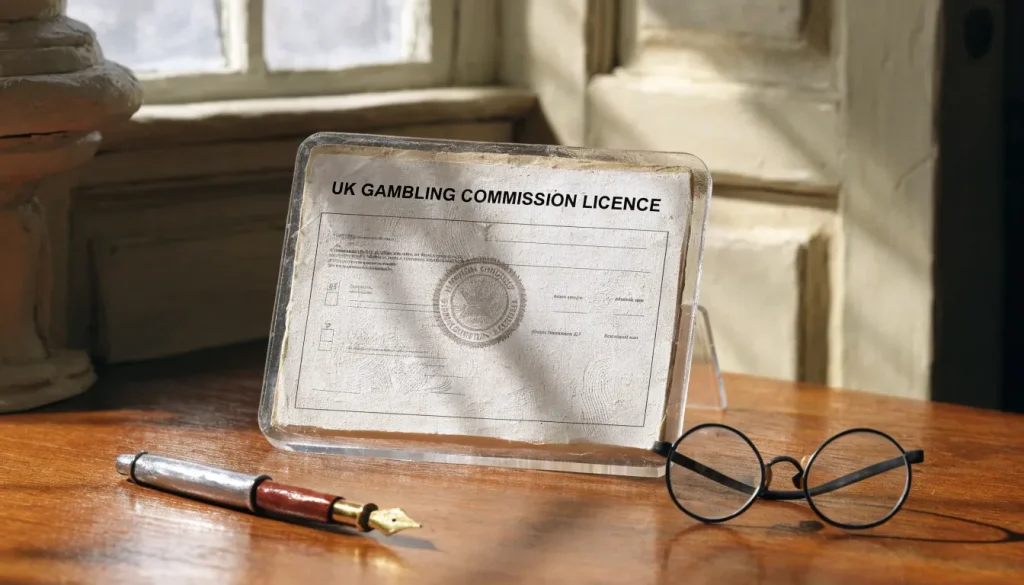
A foreign licence may indicate oversight in another jurisdiction, but it does not grant the operator UKGC status or provide the same consumer protections available to UK-licensed businesses.
This can make the wording around a site confusing. An operator may describe itself as licensed overseas and display a regulator’s name or seal. That can indicate that it is subject to some form of oversight in that jurisdiction. It does not establish that the operator is permitted to serve British customers, nor that the protections required under the UKGC apply. A licence is not a universal approval that travels with a company across borders.
Casinos not on GamStop may be licensed in places such as Malta, Gibraltar or Curaçao. Those jurisdictions have their own licensing arrangements, and the meaning of a licence depends on the regulator and the particular operator. The country named on a website is not enough to confirm that a licence is genuine, current or relevant to the gambling service being offered. Nor does a foreign licence give a customer the same route to UK regulatory oversight that comes with a UKGC-licensed operator.
That difference matters when a problem arises. UKGC rules apply to operators holding a British licence and include consumer protections tied to that regulatory system. A site licensed elsewhere is outside that framework. Even where its own regulator imposes requirements, you should not assume they match UKGC standards or that a complaint will be handled in the same way. The presence of a regulator’s logo is not proof of equivalent protection.
Casinos That Bypass GamStop: UK Player Risks
The distinction also helps avoid a misleading shortcut: “the player is not committing an offence, therefore the casino is legal to operate here.” The first point concerns the player; the second concerns the operator. UK players may access online casinos licensed outside Great Britain, and using one is not, by itself, a criminal offence. That does not make it lawful for an unlicensed operator to target or serve customers in Great Britain. The operator’s location does not remove the requirement to hold a UKGC licence when offering gambling to this market.
For practical purposes, treat the stated overseas licence as a separate claim to examine, not as a substitute for UK authorisation. If a site presents itself as licensed, the relevant question is whether the named regulator recognises that operator and the licence covers the service being advertised. A regulator’s public records are more meaningful than a badge copied onto a website. If those details cannot be reconciled, the claim should not be taken as reassurance.
Even a genuine licence from another jurisdiction has limits for a British customer. It does not bring the site under UKGC supervision, and it does not make UK consumer protections automatically available. The rules that govern disputes, account restrictions and the operator’s conduct may be those of the licensing jurisdiction, not those a UKGC-regulated casino must follow. The fact that a site accepts a UK customer is not evidence that it has the necessary UK permission.
This is why “trusted” needs careful handling when it describes an overseas casino. Trust cannot be established by a foreign licence alone, and a licence does not remove the difference in regulatory protection. A reader looking for a trusted online casino for real-money play should distinguish between the operator’s claimed overseas status and its authority to serve people in Great Britain. Those are related questions, but neither answers the other.
Caution Do not assume that an overseas licence provides access to the same mandatory tools or UK-based support services available through a UK-regulated operator.
If a site is outside the UKGC system, it may also sit outside the safeguards and support arrangements associated with a UK-regulated operator. Do not treat an overseas licence as proof that the same mandatory tools or access to UK-based support will be available. Those protections should not be inferred from a site’s marketing language, country of registration or use of the word “licensed.” The cautious reading is the accurate one: a foreign licence may show oversight in another jurisdiction, but it does not confer UKGC status or equivalent protection.
How to Assess a Site Without Treating It as UK-Regulated
A casino’s licence should be treated as a claim to verify, not a badge that settles whether the site is trustworthy. A foreign regulator’s name on a website does not make the operator subject to the UK Gambling Commission (UKGC), nor does it show that its protections match those required of a UK-licensed casino. The practical question is narrower: can you establish who issued the licence, whether it is current, and whether it covers the exact operator running the site?
Start with the operator’s legal name and the licence information displayed on the casino’s website. Look for the issuing authority, licence number and any stated company name. Then use the regulator’s own official register or verification service to search those details. A logo or link on the casino’s pages is not independent confirmation. Check that the record identifies the same operator and that the licence status is active; a different company name, an absent record or details that do not match are reasons to pause.
Non-GamStop European Casinos: UK Player Guide
A regulator’s register can confirm what it has authorised, but it does not automatically establish that every website using a similar name belongs to that operator. Check the site address against the regulator’s records where possible, and read any restrictions or notes attached to the licence. If the casino gives no clear licence details, or the regulator’s records cannot confirm them, do not treat the claim as verified. A polished site and reassuring wording are not substitutes for an official record.
The jurisdiction matters because the regulator sets the rules the operator must follow and the routes available if something goes wrong. A licence from another country may offer oversight, but it is not UKGC oversight and should not be assumed to provide equivalent consumer protection. Rules, complaint processes and enforcement powers vary. Even where a regulator accepts complaints, that does not mean it can offer the same remedies or support available through UK arrangements.
That difference affects day-to-day safeguards as well as formal complaints. Casinos licensed outside the UK are not required to connect to GamStop, and their regulators may not require the same responsible-gambling measures as the UKGC. Some non-UK sites advertise tools such as deposit limits, self-exclusion or reminders; a specialist casino review has described such features, but their presence and terms need checking on the individual site. A voluntary tool is not evidence that the operator is bound by UK rules, and its usefulness depends on how it works in practice.
Responsible Gambling Tools
While some non-UK sites offer voluntary features like deposit limits or self-exclusion, these are not required by the same standards as the UKGC, and their effectiveness depends on individual site implementation.
You should also consider where help would come from if an account is restricted, a withdrawal is disputed or a complaint is not resolved. A non-UK operator may not give you access to UK-based support services, and a regulator abroad may use processes unfamiliar to you. Before sharing personal or payment information, find out how the operator handles complaints, what contact route it provides and whether the regulator’s own site explains how a customer can escalate a dispute. If those routes are vague, that uncertainty is part of the risk.
A licence can therefore establish a limited fact: an identified regulator has authorised an identified operator under its own rules. It does not by itself prove that the casino is safe, that its service is dependable, or that you have protections equivalent to those of a UKGC-licensed site. Playing at a site that is not on GamStop is not a criminal offence for the player, but that does not make the site UK-regulated or give you UKGC consumer protections. Keep the distinction clear when assessing claims that a casino is among the most trusted online sites for UK players. A trust label cannot fill gaps in the licence record or in the support available to you.
What to Check Before You Trust a Casino Site
A casino’s licence claim is something to verify, not a trust mark to accept at face value. Before relying on a site’s assurances, identify the company operating it and the regulator it says issued its licence. A logo in the footer or a line in the terms is only a claim; it does not establish that the licence is current or belongs to that operator.
US Casinos for UK Players: Rules and Risks
Start with the exact legal name of the operator, not just the brand displayed on the site. A group may use different names for its website, company and licence holder. If the site does not clearly connect those names, ask its customer support for the operator’s registered name and licence reference. Treat an unclear answer as a reason to pause, rather than filling in the gaps yourself.
Check the regulator’s own records
Once you have the regulator and licence details, search the regulator’s official register. Do not rely on a search result, a badge on the casino site or a copied licence number on another website. Look for a record that matches the operator’s legal name and, where listed, the casino’s domain. A licence belonging to a similarly named business does not verify the site you are considering.
Non-UK casinos may identify regulators in places such as Malta, Gibraltar or Curacao. The name alone is not enough: confirm it against that regulator’s own records and check whether the entry is active. If the register does not show the operator or relevant website, the claim remains unconfirmed. A regulator’s records are the relevant place to check; the casino’s own explanation is not an independent confirmation.
Keep a note of what you checked and when. Licence information can change, and a record that once matched may not settle the status of a site later. If the register is difficult to search or the details do not line up, do not treat uncertainty as evidence in the casino’s favour.
Verifying a Licence
- Identify the operator’s exact legal name and licence number.
- Search the issuing regulator’s official public register.
- Confirm the licence is active and matches the operator’s details.
- Check that the licence covers the specific services being offered.
Compare the details, not just the badge
Check that the terms and privacy information name the same operating company as the regulator’s record. Compare spelling, company suffixes and any stated licence number. Look for an explanation of which entity handles your account and payments. Several mismatched names can make it difficult to know who is responsible if there is a dispute.
Be cautious if the casino gives no regulator name, provides a number that cannot be found in an official register, or links to a page that does not confirm its own status. A polished design, familiar payment options or a confident claim to be among trusted casino sites cannot resolve a licensing mismatch. Nor does a regulator’s logo prove that the operator is authorised: the record must support the claim.
Some sites describe themselves as “licensed” without stating where, or refer only to a group company. Ask for the precise licence holder and a direct route to the regulator’s public register. If the response stays vague, you have not verified the licence. Do not send identity documents or money simply to discover whether the claim was accurate.
Finally, keep the scope of this check clear. Confirming a foreign licence tells you whether the operator appears in that regulator’s records; it does not make the site UK-regulated or show that it offers the same protections as a UK-licensed operator. Casinos licensed outside the UK are not required to connect to GamStop. A verified overseas licence is one piece of information about the operator, not a guarantee that the casino is safe or suitable for you.
Offshore Casinos for UK Players: Rules and Risks
When a Casino Is Called “Most Trusted”
“Most trusted” is a claim, not a regulatory status. A casino can use the phrase in its own marketing, or appear under it in a review, without being licensed by the UK Gambling Commission (UKGC). The label does not establish who supervises the operator, what rules apply to it or what recourse you have if something goes wrong.
That distinction matters when a site is not on GamStop. Playing at such a site is not, by itself, a criminal offence for a UK player, but that does not give the site a UKGC licence or the consumer protections associated with one. Nor does a confident-looking trust badge make those protections equivalent. A badge is easy to display; meaningful oversight depends on the regulator and the rules it enforces.
Some non-UK sites may provide tools such as deposit limits, self-exclusion or reminders. A specialist review has reported these features at some sites, but their availability and terms need to be checked with the operator. Where such measures are not required by the site’s regulator, their presence should not be mistaken for a UKGC obligation or a guarantee that they will work in the same way.
The same caution applies to claims about a trusted slot, a crypto casino or a Bitcoin casino. A game or payment method does not make the casino behind it more accountable. In particular, accepting cryptocurrency says nothing by itself about the operator’s licence, complaint handling or standards for protecting customers.
Verify Everything
Trust should be based on verifiable regulatory oversight rather than marketing claims or a polished website design.
There is no single “most trusted” online casino that can be identified from a label alone. Treat the phrase as a prompt to examine the evidence, not as evidence in itself. Ask who issued the licence, whether the regulator confirms it, and which protections actually apply to your account. If those points are unclear, the word “trusted” has done little more than decorate the page.
A casino may be legal for a player to access without being authorised to serve the British market. That difference is easy to lose beneath promotional language. Trust should rest on verifiable oversight and clearly stated protections—not on a superlative, a polished design or a promise that a site is safe.
GamStop Exclusion Is Not a Route to Shop Around
If you have registered with GamStop, looking for a casino that does not participate is not a safe workaround. Casinos not on GamStop do not apply your GamStop exclusion, so the service cannot block access to them. That describes a gap in the scheme’s reach; it is not a recommendation to gamble elsewhere while your exclusion is active.
GamStop is the self-exclusion system required for UK-licensed online casinos. Operators licensed by the UK Gambling Commission must take part, and the exclusion you select cannot be shortened or cancelled before its chosen period ends. The restriction is intended to give you time away from gambling, not to prompt a search for a site beyond its reach.
Non-UK-Registered Casinos: Licences and Risks
That distinction matters when you see claims about a “trusted” casino, slots or bingo site outside GamStop. A trust label does not change whether the operator enforces your exclusion, and it should not be treated as evidence that gambling there is appropriate during a period of self-exclusion. Nor does a site’s willingness to accept an account make it a substitute for the protections attached to a UKGC licence.
The relevant safeguard at a UK-licensed operator is participation in GamStop: registered users are excluded from those participating sites for the period they selected. A casino outside that system does not carry out the same check through GamStop. If you are trying to maintain an exclusion, the practical response is to avoid opening or funding another gambling account, rather than testing which sites may accept you.
A search for a new or “best” non-GamStop casino can make the choice sound like ordinary shopping. During self-exclusion, it is not. Ratings and promotional descriptions cannot remove the risk that access to another gambling site will undermine the break you chose. The absence of a GamStop block is a limitation, not a sign of extra freedom that should be used.
If you are struggling to stick to your exclusion, step away from gambling sites and seek support rather than trying to find a way around the restriction. The point of the exclusion is to create a barrier during the period you selected. Using a site that does not honour that barrier defeats its purpose.
Circumvention Risks
Using cryptocurrency, VPNs, or someone else’s identity to bypass GamStop can lead to financial loss, identity misuse, and the loss of essential gambling safeguards.
Cryptocurrency, Anonymity and the Risks of Circumvention
Crypto, another person’s details or tools that disguise your location can seem like ways around a GamStop exclusion. None removes the underlying risk: they can expose you to financial loss, identity misuse and gambling while an exclusion is active. They are not safe alternatives, and this is not a route to finding a trusted UK casino.
A report by neconnected.co.uk describes cryptocurrency gambling services that may allow play without registering or checking customer details as one way people can bypass GamStop. That is a report about a possible method, not evidence that crypto casinos are commonly no-KYC or that they are safe. A lack of identity checks is not a consumer safeguard: it can make it harder to establish who is responsible for an account or resolve a dispute.
The same report describes registration using someone else’s personal data and anonymising tools, including VPNs, anonymous proxies and the TOR browser. Using another person’s details risks identity and account problems; disguising a connection does not create UKGC oversight or make a site secure. Instructions for using these methods would make an active self-exclusion easier to defeat, so the important point is the risk, not how to do it.
Crypto adds payment risks of its own. Transfers are irreversible: if you send funds to the wrong wallet address, the loss may be permanent. The value of cryptocurrency can also move, so winnings held in crypto may be worth more or less when converted. A fast-looking transfer does not make the transaction recoverable.
Online Slots Not on GamStop: What the Label Means
“Most trusted crypto casinos” is not a meaningful safety category by itself. A casino accepting Bitcoin or another cryptocurrency is not thereby verified, and a claim of anonymity tells you nothing about how disputes or account access will be handled. A promotional label cannot reverse a blockchain transfer or restore money sent to an incorrect address.
If you are self-excluded, do not use crypto, someone else’s identity or anonymising software to gamble. Keep the exclusion in place and seek support rather than trying to get around it.
What UK Players Should Know Before Opening an Account
Before opening an account, distinguish between what a player may do and what an operator is authorised to do. Using a casino that is not on GamStop is not, by itself, a criminal offence for a UK player. That does not make the operator’s service lawful in Britain: a casino offering online gambling to UK residents must hold a valid UK Gambling Commission (UKGC) licence. An operator serving customers here without one is acting illegally.
This distinction matters when a site describes itself as a trusted online casino for UK players. The wording is not evidence that the operator is authorised to serve Britain, or that it offers the protections attached to a UKGC licence. Nor does the fact that some UK players can access a site settle the question of its legal status. Access and authorisation are different things.
Age is another basic condition. The UK’s legal gambling age is 18, and a gambling operator must verify a customer’s age before allowing a deposit. Do not treat an account form that accepts your details as proof that this check has been completed. An age check is a consumer safeguard, not a sign that a site is licensed to operate in the UK.
Do
- Verify the operator’s legal name and licence via official regulator records.
- Distinguish between the legality of a player’s actions and an operator’s authorisation.
Don’t
- Assume a foreign licence provides UK-equivalent consumer protection.
- Use anonymising tools or other people’s details to bypass self-exclusion.
You may encounter claims about trusted new online casinos, large bonuses or services aimed at high-roller players. Those labels and offers do not change the licensing requirement. A new-user promotion does not establish that a casino is properly authorised, and calling a site one of the top trusted online casinos does not provide regulatory oversight.
The same caution applies to non-UK casinos that accept UK customers. A player’s ability to use such a site does not mean it provides UK-level protection. Sites outside the UKGC framework do not offer the consumer protections associated with a UKGC licence, so the word “trusted” should not be read as a substitute for that oversight.
If you are considering an account, keep the two questions separate: whether you, as a player, commit an offence by using the site, and whether the operator is legally entitled to offer gambling to UK residents. The first does not confer permission on the operator, and it does not establish that the account will have the protections available at a UKGC-licensed casino.
Reading Casino Reviews Without Mistaking Them for Verification
A review can help you understand what a casino claims to offer, but it cannot establish that the operator is authorised to serve customers in Great Britain. Treat the review and the licence as separate things: the first is commentary; the second is a regulatory status that needs checking with the authority named by the operator.
Foreign Casinos for UK Players: Regulation and Risks
A trusted casino review UK readers encounter may discuss games, payment methods or account features, yet those details do not confirm a licence. Look for the regulator’s name and the operator’s exact legal entity, then check the details in that regulator’s official records. Non-UK casinos may name authorities such as Malta, Gibraltar or Curacao. The presence of a regulator’s name on a review page is not proof that the licence is current or belongs to the site you are considering.
The same caution applies to trusted casino game reviews and bingo coverage. A favourable account of a game or a casino’s entertainment offering does not verify the operator behind it. Nor does a polished review make an overseas licence equivalent to UK oversight. Casinos licensed outside the UK are not required to connect to GamStop, so a review should not imply that they provide the same exclusion arrangements as UK-licensed operators.
Pay attention to how the review is funded. If it contains promotional material, referral links or an affiliate relationship, that connection should be clearly disclosed. A disclosure does not make the information false, but it helps you judge whether the page has a commercial reason to favour a particular operator. Be wary of confident trust claims that give no basis for them, or of review pages that repeat an operator’s wording without identifying who is responsible for the claims.
Reviews of bonuses and free spins can also leave out conditions that affect their value. Read the casino’s own terms before acting on a promotion, and check whether the review explains its commercial relationship. Neither a high rating nor a new-site label substitutes for verifying the licence with its issuing regulator.
Is using a non-GamStop casino illegal?
No, using an online casino licensed outside of Great Britain is not, in itself, a criminal offence for a UK player.
How can I verify a casino’s licence?
Search the issuing regulator’s official register using the operator’s legal name and licence number to ensure the details match the website.
Are deposit limits the same on all sites?
No, non-UK sites may offer voluntary tools, but they are not required to meet the same mandatory UKGC standards.
Bonus Terms and Withdrawal Checks Before You Deposit
A bonus headline tells you little about how usable an offer is. Read the full terms before accepting it, especially the wagering requirement: the amount of play required before bonus-related winnings can be withdrawn. A specialist casino review puts typical industry requirements in the 30x–40x range, while describing anything above 50x as generally predatory. Treat that as a warning benchmark, not a guarantee that a lower figure makes an offer fair.
Check which games count and how much each contributes. Table games may contribute less towards wagering than slots, or not count at all. The terms may also set a maximum bet while wagering is active, a deadline to complete it, or a cap on withdrawals from bonus winnings. Those conditions can reduce what you can actually cash out, even if you meet the stated requirement. If the wording is unclear, ask the operator for an explanation before depositing.
Keep bonus rules separate from the casino’s withdrawal process. Before you deposit, find out which identity documents may be requested and submit them early where possible. Completing KYC—identity verification—before a withdrawal is due can help reduce delays, though it does not guarantee a particular processing time.
A specialist casino review reports that e-wallet withdrawals are generally faster than card withdrawals, while the casino’s own processing may take up to 24 hours. That is not a promise about when money will reach your account: the payment provider and the operator’s checks can affect timing. Make sure the payment method you intend to use is eligible for both deposits and withdrawals, and check whether the bonus terms impose separate restrictions. A “trusted” label or a licence claim does not replace reading these conditions; neither tells you what you will be paid or when.
Trusted UK Casino: How to Check a Site
Responsible-Gambling Controls You May Not Get
Casinos not on GamStop may offer tools such as deposit or loss limits, session time limits and reminders, but these controls may be voluntary rather than required by the operator’s regulator. Their availability and terms can therefore differ, and you should not assume that a control will work like one provided by a UKGC-licensed casino. These sites may also lack access to UK-based gambling support services.
GamStop works differently: it applies fixed exclusion periods of six months, one year or five years. Once you have selected a period, you cannot shorten or cancel the exclusion before it ends. A casino’s optional limits or reminders are not a substitute for that exclusion or for mandatory UKGC safeguards.
Withdrawals, Verification and Bonus Restrictions
For withdrawals, separate account checks from bonus rules. Casino processing may take up to 24 hours; after that, the payment provider may take additional time. A specialist review source reports that e-wallet withdrawals are generally faster than card withdrawals, but this is not a guarantee for an individual transaction. Completing identity verification early can help reduce delays when you request a withdrawal.
Bonus conditions are a separate issue. Check how much different games count towards wagering: table games may contribute less than slots, or not count at all. Read the terms for any maximum bet while a bonus is active, the deadline for meeting wagering requirements and any cap on withdrawals from bonus winnings. These restrictions can affect whether, and how much, you can withdraw.
Other Ways GamStop Exclusion Can End or Be Avoided
GamStop is available to UK residents. An exclusion runs for the period selected when you register and cannot be shortened or cancelled early. Waiting until that period ends before unsubscribing is different from trying to get around an active exclusion.
GamStop covers participating online gambling sites, not land-based establishments. That distinction describes the service’s scope; it is not a recommendation to gamble elsewhere during an exclusion.
How can players get around GamStop?
You may still be able to access gambling sites outside GamStop, but doing so defeats the purpose of an active self-exclusion. If you have excluded yourself, avoid gambling elsewhere and wait until your chosen exclusion period ends.
Are casinos that bypass GamStop illegal for UK players to use?
You do not commit a criminal offence simply by using a casino without a UKGC licence. However, an operator offering gambling to customers in Great Britain must hold a UKGC licence, and a foreign licence does not replace it.
How does GamStop work?
GamStop shares your self-exclusion registration with participating UKGC-licensed gambling operators, which must prevent you from gambling with them for your selected period. Exclusions can be set for six months, one year or five years, and cannot be cancelled early.
What exactly does GamStop block?
GamStop blocks access to gambling at participating UKGC-licensed establishments during your exclusion period. It does not cover casinos outside the UKGC’s jurisdiction.
How can I verify a casino’s licence is genuine?
Check the named regulator’s own records to confirm that the licence is current and applies to the operator offering the gambling service. A regulator’s logo or a foreign licence alone does not show that the operator is authorised to serve customers in Great Britain.
Is it legal to play in casinos not blocked by Game Stop?
You do not commit a criminal offence simply by playing at a casino without a UKGC licence. But an operator offering online gambling to customers in Great Britain must hold a UKGC licence; an overseas licence is not a substitute.
Related posts

Terms of Use
UK Gambling Casino Sites and Slots: Licensing and Play