Offshore Casinos for UK Players: Rules and Risks
 Available in GB

Understand how offshore operators differ from UKGC-licensed sites and what to check around bonuses, payments, slots and withdrawals.
What “Offshore” Means Under UK Gambling Law
In the UK market, “offshore” describes an online gambling operator that accepts British customers but does not hold a licence from the UK Gambling Commission (UKGC). The term refers to the operator’s regulatory position, not simply to where its website or company is based. A business may be licensed by an overseas authority and still be outside the UKGC system. An offshore licence does not give it permission to offer gambling to customers in Great Britain.
That distinction matters because a licence issued abroad and a UKGC licence are not interchangeable. Offshore casinos are not regulated by the UK Gambling Commission. Their overseas licence may be relevant to the rules in the place that issued it, but it does not satisfy the requirement for a UKGC licence when an operator offers gambling to customers in England, Scotland or Wales.
The operator’s position
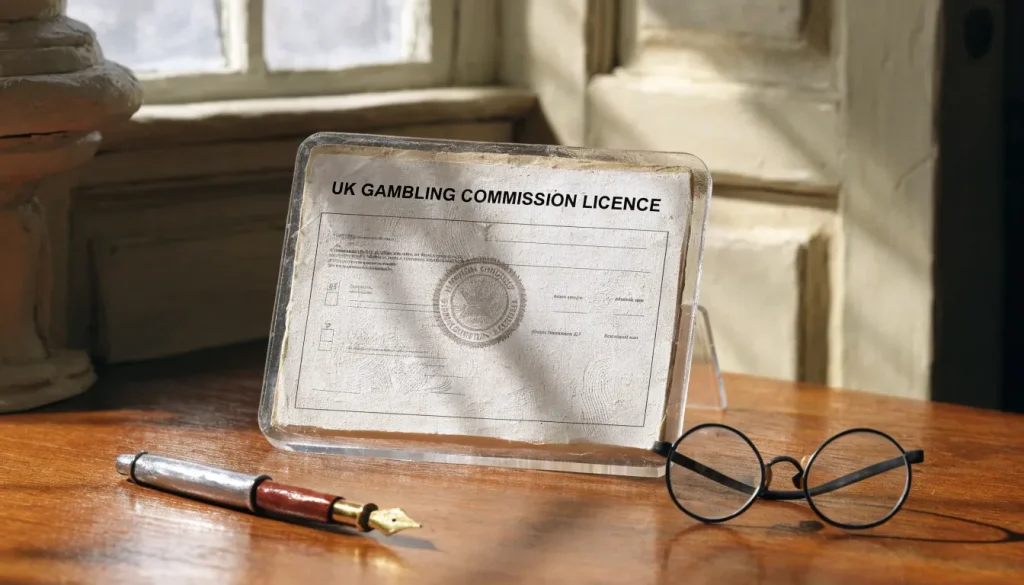
The Gambling Act 2005 governs gambling in England, Wales and Scotland. Under the UK system, an operator offering real-money online gambling to customers in those parts of the country must hold the relevant UKGC licence, wherever the operator itself is located. A company cannot avoid that requirement simply by running its website from abroad or holding a foreign gambling licence.
Without a Gambling Commission licence, an online gambling site cannot legally offer its services in England, Scotland and Wales. It is also illegal for an unlicensed operator to provide gambling facilities to customers in the UK or to advertise its services here. In other words, the legal obligation falls on the business that offers the service, rather than on a player merely because they are in Britain and access an overseas site.
The description “licensed offshore casino” can therefore be misleading if it is taken to mean “authorised for UK customers”. The operator may hold a licence abroad, but it remains unregulated by the UKGC and does not hold the UK licence required to serve the British market legally. The location of the regulator and the market in which the operator is offering gambling are separate questions.
Casinos & Safety: UK Casino Topics and Licensing
The player’s position
A British player’s legal position is different from the operator’s. UK law does not make it a crime for an individual to place a bet with an overseas gambling operator. There is no criminal penalty simply for playing at a casino licensed outside the UK. This does not make the operator’s offer lawful in Britain: the obligation to hold a UKGC licence still applies to a business providing gambling facilities to UK customers.
So, if you are asking whether offshore casinos are legal, the answer depends on whose conduct you mean. An operator without a UKGC licence cannot lawfully offer gambling services to customers in England, Scotland and Wales. A player is not committing an offence merely by placing a bet with an overseas operator. Treating those two positions as the same would blur an important legal distinction.
“Foreign casino” is sometimes used in the same sense as “offshore casino” in UK-facing material. In this context, it means a site taking British customers without a UKGC licence, not every casino whose parent company or servers happen to be outside Britain. The licensing question is about the operator’s permission to serve the market, not its corporate address.
US Casinos for UK Players: Rules and Risks
What a foreign licence tells you
An overseas licence can indicate that an operator is subject to rules set by a regulator elsewhere. It does not establish that the operator is authorised to serve British customers, and it should not be presented as a substitute for UKGC oversight. The relevant point for the UK market is whether the operator holds a current UK Gambling Commission licence.
That distinction also explains why a list of offshore casinos is not, by itself, a list of casinos legally authorised to serve people in the UK. A site may accept a British customer or be described as licensed abroad, but those facts do not change the UK licensing requirement. Nor does the word “licensed” alone tell you which authority issued the licence or which market it covers.
The practical terms “online offshore casino” and “UK offshore casino” can sound as if they describe a separate class of UK-authorised site. They do not. They describe an online operator outside UKGC regulation that is associated with British customers. For a UK resident, the central legal distinction remains straightforward: the operator must have a UKGC licence to offer gambling legally in Great Britain, while the individual player is not criminally liable simply for betting with an overseas operator.
Regulatory Status Not regulated by the UK Gambling Commission
UK Player Legality Not a crime for individuals to play
Operator Obligation Must hold a UKGC licence to serve the UK market legally
Why Offshore Casinos Are Not a Substitute for UK-Licensed Sites
A casino licensed outside the UK may appear accessible to British players, but access is not the same as protection. Offshore casinos are not regulated by the UK Gambling Commission (UKGC), and they do not have to follow UKGC rules for services to British customers. That difference matters most when something goes wrong: the regulator that oversees UK-licensed gambling cannot provide the same route for complaints or enforcement against an offshore operator.
For a UK-licensed site, the operator must meet requirements set by the UKGC and can face regulatory action if it fails to comply. An offshore licence belongs to another jurisdiction, with its own rules and regulator. A specialist review may describe some offshore platforms as licensed by other authorities, but that alone does not establish that a site is safe, that its regulator will act on your complaint, or that you can recover money if there is a dispute. A foreign licence is not a substitute for UKGC oversight.
Foreign Casinos for UK Players: Regulation and Risks
Complaints and unpaid winnings
The practical weakness is recourse. If an offshore operator delays a payment, closes an account or disputes a balance, you may have to rely on the operator’s own complaints process or seek help from its overseas regulator. Whether that regulator can intervene for a British customer, and what action it can take, depends on the circumstances and the jurisdiction. You should not assume that the UKGC can compel an offshore site to pay.
Gambling.com has reported cases in which unlicensed sites refused to pay customers’ winnings, leaving those customers without legal recourse. That is a reported risk, not evidence that every offshore operator behaves that way. It does show why a payment promise or a positive review is not the same as an enforceable protection. If you cannot identify a credible route to challenge a decision, the inconvenience is more than administrative: your ability to get a fair hearing may be limited.
Even where an operator holds a foreign licence, the protection available to you depends on the rules and enforcement practices of that licensing authority. A licence badge on a website does not tell you how complaints are handled, whether a decision can be appealed, or whether a regulator will take up an individual case. Those are separate questions, and they cannot be answered by the badge alone.
Fewer UK-mandated safeguards
Offshore operators are not subject to UKGC-mandated affordability checks. UK rules require licensed operators to take steps to assess whether gambling is affordable for a customer. A site outside UKGC oversight does not have to apply those UK requirements, so you may not receive the same intervention when spending becomes harmful. The absence of a check can feel like fewer obstacles at the point of play; it also means a safeguard designed to identify financial risk may not be there.
That distinction is especially important if you have used self-exclusion. GamStop applies to UKGC-licensed operators, not casinos outside the Commission’s remit. A foreign site is not required to honour a GamStop exclusion. If you registered because gambling had become difficult to control, turning to a non-GamStop casino can remove a barrier you deliberately put in place. Ease of access is not a sign that the underlying risk has changed.
DO
- Verify the operator’s legal company name
- Check the regulator’s public register
- Confirm the jurisdiction of the licence
DON’T
- Assume a foreign licence replaces UKGC oversight
- Rely solely on a website’s design or logos
- Assume GamStop protections apply to offshore sites
UK-licensed operators also have to verify a customer’s identity before processing a withdrawal. Offshore operators are not bound by that UKGC requirement, and their procedures can differ. This is not a reason to assume that an offshore site will never ask for documents: it is a reason not to expect the same UK rules or a consistent process. An operator can set its own verification requirements under the rules that apply to it.
A different balance of responsibility
The question is not simply whether offshore casinos accepting UK players can be found online. It is what protection stands behind the service if a dispute, payment problem or gambling harm arises. For someone searching for the best offshore casinos for UK players, a smooth registration process or a stated licence may answer only a small part of that question. Neither establishes that the operator is covered by UK safeguards.
A British player is not criminally liable merely for placing a bet with an overseas operator. The legal obligations fall on operators offering gambling in Great Britain: they must hold the relevant UKGC licence. That distinction does not make offshore sites equivalent to UK-licensed ones, nor does it give a customer access to the same regulatory protections.
Before deciding, weigh the convenience of an offshore site against the protections it does not have to provide under UK rules. If you need UKGC oversight, UK-mandated affordability safeguards or GamStop coverage, an offshore casino cannot be treated as a substitute.
Our top casino picks for the UK
- EvoSpinBonus: 125% up to €2500 + 125 Free Spins · Payout speed: 1-3 business days
- x3betBonus: Welcome Pack 100% Up to £1.000 + 200 Free Spins · Payout speed: 1-3 business days
- ChanzeBonus: Slots Welcome Bonus #1 200% up to €500 · Payout speed: 1-3 business days
- SlotoSportBonus: 500% up to £ 10 200+ 777 FS · Payout speed: 1-3 business days
- NightLuckBonus: Welcome Pack + 805% Up To 6400€ + 280 FS · Payout speed: 1-3 business days
- WinBeastBonus: €5000 + 500 FS + €650 Freebet · Payout speed: 1-3 business days
How to Assess an Offshore Casino Site Without a Shortlist
A polished site can show you what an operator wants you to see; it cannot, by itself, establish that the business is trustworthy. When assessing a non-GamStop casino, separate what you can inspect directly from what needs independent confirmation. An offshore licence may indicate oversight in another jurisdiction, but it does not bring the operator within the UK Gambling Commission’s system. Offshore casinos are not regulated by the UKGC, and they do not provide UKGC-mandated affordability checks.
Start with the operator, not the design
Look for the legal company name, the jurisdiction in which it is registered, and the licence details. These should be available in the site’s terms or footer, not only in promotional material. Record the exact company and licence information, then check whether the named regulator has a public register or a way to confirm the operator’s status. A logo or licence number displayed on a page is a claim to verify, not proof on its own.
A specialist review may describe some non-GamStop platforms as licensed by reputable authorities. Treat that as a starting point rather than a guarantee: the relevant regulator’s own records are more useful than the casino’s wording or a reviewer’s summary. If you cannot establish which legal entity runs the site, or cannot match its details to the regulator’s records, you have not confirmed its licensing status.
Even a genuine foreign licence has limits. It does not mean the casino is authorised by the UKGC, and it does not place the operator under UKGC enforcement. The distinction matters when comparing claims about oversight: “licensed” does not answer the question of who licenses the operator or what protections follow from that arrangement.
Verifying an Operator
- Find the legal company name and jurisdiction
- Locate the specific licence number in the terms or footer
- Cross-reference the licence with the regulator’s public register
- Confirm the identity of the legal entity running the site
Inspect security claims carefully
Non-GamStop casinos may describe measures such as encryption to protect personal and financial information. Look for a secure connection when entering details, and read the privacy policy to see what information the site says it collects and how it handles it. These checks can help you assess the site’s stated approach to data security. They do not confirm that the operator is financially sound, that its games are fair, or that a regulator has checked the claims.
Be wary of language that turns a technical feature into a blanket assurance. Encryption can help protect information in transit; it cannot settle a dispute with an operator or establish that the operator will honour every term. Security badges and statements should be traceable to the organisation that issued them. If the site does not explain who stands behind a badge, it offers little that you can independently assess.
Read the terms before relying on the claims
Check the terms of service, privacy policy and responsible-gambling information for the same company name and jurisdiction you found elsewhere on the site. Look for clear explanations of account rules, identity checks, complaints and restrictions. Vague wording, missing documents or conflicting company details make it harder to know which entity is accountable.
Also distinguish between a facility the site advertises and a protection you can rely on. A page may list support or dispute procedures, but that alone does not show that the process is independent, effective or equivalent to a UK route. Do not assume that a foreign regulator will handle a complaint in the same way as the UKGC, or that a UK-based remedy is available.
Use a cautious standard for “legitimate”
There is no simple visual test that makes an offshore casino a safe choice. You can check whether its licence details are verifiable, whether its policies identify the operator, and whether its security claims are specific. You cannot infer from a professional layout, a foreign licence or a list of safeguards that the site has UKGC approval.
That is the useful distinction when comparing offshore sites: verify the claims that can be checked, and treat the rest as unresolved. A site may be licensed abroad and still sit outside UK regulation. If its ownership, licence or rules are difficult to confirm, the uncertainty is part of the assessment—not a minor detail to smooth over.
No-Deposit Bonuses: Read the Conditions Before You Claim
A no-deposit bonus lets you access a promotion without first paying money into the casino account. It may be offered as bonus funds, free spins or another reward, but “no deposit” describes only how you qualify for the offer. It does not tell you whether winnings can be withdrawn freely.
Specialist reviews of foreign casinos serving UK players identify no-deposit bonuses alongside deposit matches, free-spin packages and cashback as common promotion types. That describes a category, not a standing offer: availability and terms can change, so check the casino’s own conditions before registering or claiming anything.
The key term is the wagering requirement. This is the amount you must stake on qualifying bets before bonus funds, or winnings connected to them, become eligible for withdrawal. A condition might apply a wagering multiple to the bonus amount; the operator’s rules should explain which funds the multiple applies to and what counts as a qualifying bet.
Understanding Wagering Requirements
Wagering requirements dictate how much you must stake before bonus funds or winnings can be withdrawn. This is often expressed as a multiple of the initial bonus amount.
For example, a £20 bonus with a 35x wagering requirement means you must place £700 in qualifying bets before the funds are eligible for withdrawal.
A calculation cited in a specialist review illustrates the effect: a £20 bonus with a 35x wagering requirement calls for £700 in qualifying bets before you can cash out. That is turnover, not a fee you pay to the casino, but it still means placing bets with funds that may be lost. The arithmetic is simple; the outcome is not.
Read the conditions for more than the headline figure. Check whether the offer expires, which games count, whether a maximum bet applies while wagering, and whether winnings are capped. Find out what happens if you make a deposit while the bonus is active, or try to withdraw before meeting the requirement. An offer can become void, or its associated winnings can be removed, if you breach its rules.
Also distinguish cashable money from bonus balance. A displayed balance may combine the two, even though only part is immediately withdrawable. If the terms are unclear about when funds become cash or how the requirement is tracked, do not assume the most favourable interpretation.
A no-deposit offer can reduce the amount you need to pay upfront, but it does not make gambling risk-free or establish that the operator is trustworthy. Offshore casinos are not regulated by the UK Gambling Commission, and they do not provide UKGC-mandated affordability checks. A promotion is not a substitute for those safeguards. If you have self-excluded through GamStop, foreign casinos outside the UKGC’s remit are not covered by the scheme; using an offer to get around that barrier can undermine the protection you chose.
Before you accept, read the full terms and decide whether the required betting is worth the risk. If the conditions are difficult to find or do not clearly explain withdrawal eligibility, the bonus is not a bargain merely because no deposit is required.
Crypto at Offshore Casinos: Faster Transfers, Volatile Value
Cryptocurrency can make a withdrawal from an offshore casino quicker, but speed is only one part of the decision. The amount you receive can change in value between the time it is sent and the time you exchange or spend it. A transfer that arrives promptly is not necessarily worth the same amount you expected.
A specialist review of foreign casinos reports that crypto withdrawals can clear in under an hour, faster than fiat methods. Treat that as a reported possibility, not a promise: the operator still has to approve and send the payment, and its procedures can affect timing. A fast blockchain transfer cannot remove delays that happen before the casino releases the funds.
The value risk is separate. Cryptocurrency prices move, so the same quantity of a coin may be worth more or less in pounds when you receive it than when you deposited it. If you measure your gambling budget in sterling, the balance shown in crypto does not tell you the full cost. The value may shift while funds are held in your account or during a withdrawal.
Before choosing a crypto offshore casino, read the payment terms carefully. Check which currencies it accepts, how withdrawals are requested, whether the casino converts funds, and what fees or minimums apply. Do not assume that a deposit method is also available for withdrawals, or that the casino will pay in the same currency you used. If the terms are unclear, that uncertainty matters more than a headline claim about speed.
Crypto Volatility
Cryptocurrency prices are highly volatile; the value of your funds may change significantly between the time of deposit and the time of withdrawal.
There is also a wider point: using cryptocurrency does not change the operator’s regulatory position. Offshore casinos are not regulated by the UK Gambling Commission, and they do not provide the UKGC-mandated affordability checks that apply to UK-licensed operators. A quicker transfer is not a substitute for those protections, nor does it guarantee that a disputed payment will be resolved in your favour.
Crypto may suit someone who understands both the transfer process and the possibility of value changes. If you would be uncomfortable receiving less in sterling than you put in, a faster withdrawal may not be worth that exposure.
Bitcoin Deposits and the Wider Risks of Going Offshore
Bitcoin can be used to move funds without sending a card payment through a bank, but that does not make an offshore gambling account safer or more accountable. The transaction method and the operator’s legal status are separate questions. A Bitcoin deposit does not bring a casino under UK Gambling Commission oversight, and it does not create the protections attached to a UK-licensed account.
The same distinction applies to the player’s legal position. A British player is not committing an offence simply by placing a bet with a casino licensed outside the UK; there is no UK law that makes the individual’s use of an overseas operator illegal. That does not mean the operator is authorised to serve customers in Britain. Remote gambling operators selling into the British market are required to hold a UK Gambling Commission licence, and offshore casinos do not hold one. The absence of a criminal penalty for the player is not an endorsement of the service.
With Bitcoin, the amount you send is also exposed to changes in the currency’s value. The value of the coins may move between acquiring them, depositing them and receiving a withdrawal. A faster transfer, where available, cannot remove that risk. You should also check how the casino handles the transaction: whether it accepts the currency, how it identifies deposits and withdrawals, and what conditions apply to cashing out. Do not assume a Bitcoin option is available just because a site describes itself as offshore.
A promotion is no substitute for those checks. If an offer is advertised alongside a Bitcoin deposit option, read its terms separately from the payment rules. A bonus may have conditions that affect whether funds can be withdrawn, and the headline offer does not establish that a payment route or reward will be available to every customer.
Nor does a licence issued abroad amount to UKGC regulation. A licence may identify the authority that oversees the operator in another jurisdiction, but it does not give you access to UKGC safeguards or enforcement. Offshore operators are not required to provide UKGC-mandated affordability checks. That matters particularly if you are considering gambling outside the UK-licensed system for reasons connected with limits or self-exclusion: a different payment method does not restore safeguards you may be seeking to avoid.
Before sending Bitcoin, decide what you can afford to lose, including any change in the currency’s value, and avoid treating a successful deposit as evidence that a later withdrawal will be straightforward.
Legal Distinction
While playing at an offshore casino is not a crime for a British player, the operators themselves lack UKGC regulatory protections and oversight.
Welcome Bonuses: Compare the Wagering, Not Just the Headline
A deposit welcome offer may combine a match on your first payment with free spins or another promotion. These are common forms of offshore casino bonus offers, but the exact terms depend on the operator. The headline amount tells you little about what you can withdraw.
A 100% match means the bonus equals the qualifying deposit, subject to any cap. The key detail is the wagering requirement: how much you must stake on qualifying games before bonus funds can become withdrawable. A specialist review gives this illustration: a £100 match with a 35x wagering requirement calls for £3,500 in qualifying bets. That is turnover, not a required loss, but each bet uses money and carries the risk of losing it.
Before accepting an offshore casino welcome bonus, check what balance the wagering multiple applies to. It may apply to the bonus alone or to the deposit and bonus together; those produce different totals. Also read which games count, whether some contribute less or do not count, and whether there is a deadline. A promotion can look generous while its conditions make completion difficult.
Check the maximum bet allowed while wagering is active, any withdrawal cap, and what happens to bonus funds if you cash out early. Confirm whether the offer is automatic or requires you to opt in, and whether the deposit method you plan to use qualifies. Do not assume that a large package has clearer or fairer terms: a specialist review has reported that offshore welcome packages can be larger because they are not bound by UKGC restrictions on bonus terms, wagering requirements and promotional language. Larger is not the same as better.
These promotions sit outside UK Gambling Commission regulation. Offshore casinos do not provide UKGC-mandated affordability checks, and their bonus terms do not carry the same UKGC oversight as offers from licensed operators. Read the full conditions before depositing, and treat bonus funds as conditional rather than cash in your account.
Real-Money Play and What Happens When You Withdraw
Playing for real money at an offshore casino involves more than opening an account and choosing a game. Before you deposit, check the site’s rules for identity checks, payment methods and cash-outs. Offshore casinos are not regulated by the UK Gambling Commission, and they do not provide UKGC-mandated affordability checks. A foreign licence, where one exists, does not make the operator subject to UKGC oversight.
The basic process is to register, provide the requested details and choose a deposit method. An operator may ask you to verify your identity, for example by requesting identification documents. Do not assume that a successful deposit means verification is complete: checks may still be needed before a withdrawal is approved. UKGC-licensed operators must verify a player’s identity before processing withdrawals; procedures at offshore sites are not uniform.
Read the withdrawal terms before transferring money. They should explain how to submit a request, which methods are available, whether the withdrawal must go back through the deposit method, and what documents may be required. Check for any stated minimum or maximum withdrawal amount, and whether there is a pending period before the operator sends funds. These terms can affect when you receive money even after a request has been accepted.
Are offshore casinos legal in the UK?
It is not a crime for an individual to place a bet with an overseas operator, but the operator must hold a UKGC licence to legally offer services in Great Britain.
Can I use GamStop with offshore casinos?
No, GamStop applies to UKGC-licensed operators. Offshore casinos are not required to honour GamStop exclusions.
How long do withdrawals usually take?
Processing times vary; e-wallets like Skrill or Neteller may clear within 12–24 hours, while bank transfers can take five to seven business days.
A specialist review reports that withdrawal limits, waiting periods and verification procedures differ considerably between operators. Treat that as a reason to check the specific site’s current terms, not as a promise that one set of rules applies across offshore casinos. If the terms are unclear, or customer support will not explain a condition in writing, consider that before depositing rather than after a win.
Keep records of your deposit, account activity, verification submissions and withdrawal request. If a payment is delayed, those records can help you describe the issue when contacting the operator. But an offshore casino is outside UKGC regulation, so you should not assume that the Commission can resolve a dispute or require the site to pay. The practical question is not only whether you can place a bet, but whether the withdrawal rules are clear enough for you to understand what happens to your balance when you ask to cash out.
Offshore Slots: Check the Rules Before You Play
Slot rules in Britain depend on where the operator is licensed. Offshore casinos hold licences outside the UK and are not regulated by the UK Gambling Commission. That distinction matters: a game appearing on an offshore site is not thereby covered by the UK rules that apply to a UKGC-licensed casino.
For UK-licensed sites, online slots have a maximum stake per game cycle of £5 for customers aged 25 and over, and £2 for customers aged 18 to 24. A slot spin must last at least 2.5 seconds, and autoplay is not allowed. These requirements apply in Britain; do not assume an offshore site follows them simply because you are accessing it from the UK.
Before playing, read the game’s rules and the casino’s terms. Check how a spin works, what counts as a win, and whether any feature changes the stake or payout. Make sure the displayed rules are clear and that you understand them before committing money. A familiar-looking game title is not enough to establish that its version or conditions match those offered by a UK-regulated operator.
Mobile Casino Pay by Phone Credit in the UK
The wider safeguards also differ. Offshore operators are outside UKGC oversight and do not provide UKGC-mandated affordability checks. That is relevant to slot play because rapid, repeated bets can make spending hard to track. Set a personal limit before you begin, and stop if you find yourself chasing losses or playing longer than intended.
This is not a claim that every offshore slot is unsafe or that every game works the same way. It is a reminder to distinguish the rules you can verify on the page from protections that depend on UK regulation. If the game instructions, stake information or terms are unclear, do not treat that uncertainty as a minor detail.
Withdrawal Speeds and Payout Reliability
Payment route affects how quickly money may reach you, but an offshore casino payout has two parts: the operator’s handling time and the time taken by the payment network. A fast transfer method cannot prevent a casino from holding a withdrawal for its own checks or processing queue. Timing is not a guarantee of payment.
Skrill and Neteller are among the quicker options cited for offshore withdrawals. A specialist review reports that most foreign casinos clear these e-wallet transactions within 24 hours, with many processing them in under 12 hours. Those timings describe the casino’s processing, not necessarily the point at which funds appear in your account.
Bank transfers tend to take longer. A specialist review puts the banking stage at five to seven business days, and notes that some casinos add a processing delay before sending the money. Read the withdrawal terms for both the operator’s stated handling period and any limits or conditions that could affect a request. The total wait can therefore exceed the bank’s transfer time.
Crypto may be described as faster, but speed alone does not make it a more reliable choice: the value received can change with the market. Compare the payment route, the operator’s stated process and the relevant conditions before depositing. Offshore casinos are not regulated by the UK Gambling Commission and do not provide its mandated affordability checks, so quicker cash-outs should not be mistaken for equivalent oversight or protection.
Can I play at a casino licensed outside the UK?
Yes, UK law does not make it a crime for you to bet with an overseas casino. However, an operator without a UK Gambling Commission licence cannot legally offer gambling to customers in England, Scotland or Wales.
What does a wagering requirement actually mean in practice?
It is the amount you must stake on qualifying bets before bonus funds can be cashed out. For example, a 35x requirement on a £20 bonus means you must place £700 in qualifying bets.
Can I use cryptocurrency at foreign casinos from the UK?
Some foreign casinos offer crypto payments, and crypto withdrawals can clear in under an hour. The trade-off is that the value of cryptocurrency can fluctuate.
Is playing at an international casino legal for UK residents?
You are not committing a crime simply by placing bets with an overseas casino. However, an operator without a UKGC licence cannot legally provide gambling services to customers in England, Scotland or Wales.
How long do withdrawals take at the listed operators?
It varies by payment method and operator. E-wallet withdrawals often take less than 24 hours, crypto withdrawals can clear in under an hour, and bank transfers often take five to seven business days; operator processing delays may add time.
Related posts

Terms of Use
UK Gambling Casino Sites and Slots: Licensing and Play