British Casinos Not on GamStop: What to Know
 Available in GB

Sites outside the UKGC system may not check GamStop registrations, so their safeguards and support can differ from those of UK-licensed operators.
What “Not on GamStop” Means for UK Players
GamStop is the UK’s online gambling self-exclusion service. When you register, participating gambling businesses must prevent you from using their services for the period you selected. The scheme applies to casinos licensed by the UK Gambling Commission (UKGC), the regulator responsible for licensing operators that offer online gambling to people in Great Britain.
A casino described as “not on GamStop” does not take part in that exclusion scheme. This usually refers to a casino licensed outside the UK, rather than one operating under a UKGC licence. Because it is outside the UKGC’s jurisdiction, it is not required to check GamStop registrations or apply its restrictions. A GamStop exclusion therefore does not automatically block access to such a site.
That difference can make the phrase sound like a feature of a casino. It is more useful to understand it as a statement about the boundary of the scheme: GamStop covers participating UKGC-licensed businesses, not every gambling website that someone in Britain might be able to reach. A site’s availability to a UK player does not mean it is part of the UK system.
The distinction matters because the rules apply differently to players and operators. For an individual, playing at a casino that does not participate in GamStop is not itself a criminal offence. But that does not make the casino legally entitled to serve people in Britain. Remote operators offering gambling to UK residents must hold a UKGC licence. An operator that serves them without one is acting illegally, even if it holds a licence somewhere else.
In other words, “not a criminal offence for the player” and “lawful for the operator” are not interchangeable claims. The first describes the player’s legal position; the second concerns the business providing the gambling service. A British player may be able to access a casino licensed outside Great Britain, but accessibility is not evidence that the operator is authorised to serve the British market.
Trusted Casinos Not on GamStop UK: What to Know
This is also why “British casino” can be an imprecise label. A website may accept British customers or present itself to them without being a British-licensed casino. A UKGC-licensed online casino is one operating with the relevant UK permission; a casino outside GamStop is not covered by that permission simply because a customer in Britain can open its pages or create an account.
For anyone who has registered with GamStop, the practical point is especially important: a non-participating site will not necessarily recognise that the person has excluded themselves from UKGC-licensed gambling. That is not an extension or suspension of the GamStop registration. It is a separate service outside the scheme’s reach, and using it does not alter the exclusion on participating sites.
The label also says little by itself about the protections available. A casino outside the UKGC framework does not provide the consumer protections associated with a UKGC licence. Its location, claims about licensing, and terms may differ, but none of that makes it equivalent to a UK-regulated operator. “Not on GamStop” should therefore be read narrowly: the site does not participate in the UK self-exclusion system. It is not a quality mark, a guarantee of safety, or proof that the operator can lawfully target customers in Britain.
Non-GamStop European Casinos: UK Player Guide
If you are comparing what people call British online casinos, keep these categories separate. A UKGC-licensed casino is regulated to serve the British market and must participate in GamStop. A casino outside that system may be accessible from Britain but is not thereby licensed to serve British residents. The player’s lack of criminal liability does not remove the operator’s licensing obligation, and the absence of a GamStop block does not turn an overseas site into a UK-regulated one.
Our top casino picks for the UK
- EvoSpinBonus: 125% up to €2500 + 125 Free Spins · Payout speed: 1-3 business days
- x3betBonus: Welcome Pack 100% Up to £1.000 + 200 Free Spins · Payout speed: 1-3 business days
- ChanzeBonus: Slots Welcome Bonus #1 200% up to €500 · Payout speed: 1-3 business days
- SlotoSportBonus: 500% up to £ 10 200+ 777 FS · Payout speed: 1-3 business days
- NightLuckBonus: Welcome Pack + 805% Up To 6400€ + 280 FS · Payout speed: 1-3 business days
- WinBeastBonus: €5000 + 500 FS + €650 Freebet · Payout speed: 1-3 business days
How Overseas Casino Sites Sit Outside UK Regulation
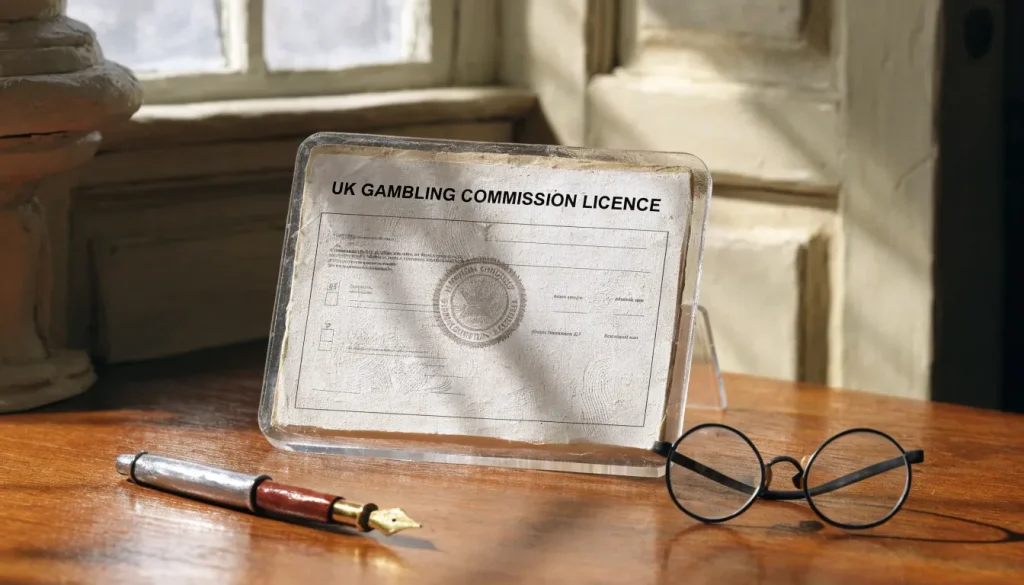
A casino’s location does not determine whether it is allowed to serve people in Britain. The key question is whether the operator holds the licence required for the market it is targeting. Remote gambling operators offering services to customers in Great Britain must be licensed by the UK Gambling Commission (UKGC), wherever the business is based. A licence issued by another jurisdiction does not replace that requirement.
A site may hold authorisation from Malta, Gibraltar or Curacao, yet still lack the UKGC licence needed to offer online gambling to people in Great Britain.
This creates a distinction between where a company is licensed and where it is permitted to operate. A site may hold authorisation from Malta, Gibraltar or Curacao, for instance, yet still lack the UKGC licence needed to offer online gambling to people in Great Britain. The foreign licence relates to oversight in the jurisdiction that issued it; it is not permission to serve every country.
That boundary matters when a site presents itself as a British online casino. The wording, currency or availability of a website does not establish that it is authorised for the British market. Nor does a licence from an overseas regulator make the operator part of the UK system. UKGC licensing is the relevant requirement for remote operators serving Great Britain.
A foreign licence has a narrower reach
When an operator is licensed abroad, its regulator may set rules and handle complaints within its own jurisdiction. But the existence of that oversight should not be confused with UKGC supervision. The regulator’s powers, standards and routes for redress may differ, and a player using a site without a UKGC licence does not receive the protections attached to a UKGC-regulated operator.
The same limit applies to self-exclusion arrangements. GamStop works with establishments licensed by the UKGC. Casinos licensed elsewhere are not legally required to join GamStop, and they do not share player data with the service or apply its exclusion measures. Their position follows from being outside the UKGC’s regulatory reach, not from an exception granted by GamStop.
Casinos & Safety: UK Casino Topics and Licensing
This means that a foreign licence and GamStop participation are separate matters. A site may be licensed by an overseas authority while remaining outside GamStop. Conversely, describing a casino as licensed says nothing on its own about whether that licence permits it to serve British customers. Those are different questions, and blending them can make a site appear more firmly regulated in Britain than it is.
The legal position is not symmetrical
For players, using a casino not on GamStop is not itself a criminal offence. The regulatory breach lies with an operator that offers online gambling to people in Great Britain without the required UKGC licence. Put plainly, the fact that a player can open a site does not mean that the operator is authorised to provide gambling services in Britain.
That distinction can be easy to miss because the service may be accessible from a British address. Access is not proof of lawful operation. The UKGC requirement applies to remote operators serving the British market, including businesses based overseas. A licence from Malta, Gibraltar or Curacao does not remove that obligation.
The rules also have a geographical boundary. The Gambling Act 2005 governs gambling in England, Wales and Scotland, while Northern Ireland is not covered by that Act. The UKGC licensing requirement described here concerns operators serving Great Britain. It should not be read as a claim that one overseas licence gives an operator authority throughout the UK.
For anyone comparing UK online casino sites with overseas services, the important difference is therefore not simply the regulator’s name on a page. It is whether the operator is licensed for the market in which it is offering gambling. A foreign regulator may oversee the company under its own rules, but that does not make the operator UKGC-licensed or bring it within the British regulatory framework.
Legal Status
Accessing an overseas site is not a criminal offence for the player, but operating without a UKGC licence is illegal for the business.
This is why an overseas authorisation should not be treated as equivalent to permission to operate in Britain. A site might be established and supervised in the country that issued its licence; it can still be outside the UKGC system. The protections, enforcement routes and responsibilities that apply to British-licensed operators do not automatically travel with the company when it operates across borders.
The practical boundary is clear: an overseas licence identifies a regulator, not a blanket right to serve British customers. A casino offering online gambling to people in Great Britain needs the appropriate UKGC licence, regardless of where it is based. Without it, the operator is acting unlawfully in the British market, even though using the site is not itself a criminal offence for the player.
Checks to Make Before Trusting a Casino Site
A licence logo on a casino’s homepage is a claim, not proof. Before trusting a site, identify the regulator named in its terms and conditions, then check that information against the regulator’s own public register. Non-UK casinos may be licensed in places such as Malta, Gibraltar or Curacao, but the name of a jurisdiction alone tells you little about the status of a particular operator.
Start with the legal company name, not just the casino’s trading name. Find the licence number and the company listed as the licence holder. Search the relevant regulator’s official website for that number or company name, and make sure the register identifies the same operator and covers the type of gambling the site offers. If the regulator provides a list of approved domains, check that the casino’s web address appears there too. A licence belonging to a similarly named business is not evidence that the site you are visiting is authorised.
Offshore Casinos for UK Players: Rules and Risks
Use the regulator’s own domain rather than a link supplied by the casino. If the register is difficult to search, the licence number is missing, or the details do not match, contact the regulator through its published channels before relying on the claim. A logo, certificate image or statement that a casino is “licensed” cannot replace confirmation in an official database.
What the licence does—and does not—tell you
A licence from a foreign authority does not make a casino equivalent to a UK-licensed operator. The UK Gambling Commission’s rules and oversight apply to operators licensed for the British market; a regulator elsewhere works within its own framework. The strength of oversight and the protections available to customers can differ, so a licence from a less established authority may offer less recourse than a UKGC licence.
This is not a reason to treat any foreign licence as meaningless, but it is a reason to read the regulator’s role carefully. Check whether its register is current, whether it identifies the operator and domain, and how it handles complaints or enforcement. If you cannot establish who is responsible for the site or how the regulator can be contacted, do not assume that a badge resolves the uncertainty.
A UK-facing website can present itself in a polished way while remaining outside the UKGC system. The key question is not whether it looks like a British casino site, accepts pounds or mentions British players. It is whether the operator holds the required UKGC licence to serve customers in Great Britain. A licence issued elsewhere is not a substitute for that permission.
Verifying a Licence
- Identify the regulator named in the terms and conditions
- Find the legal company name and licence number
- Search the regulator’s official public register
- Confirm the register identifies the same operator and domain
- Use the regulator’s own domain rather than a link from the casino
Look beyond the badge
Read the site’s terms for the operator’s legal name, registered address, governing law and regulator. Compare these details with the official record rather than relying on an “About us” page. Inconsistencies—such as a different company name, an inactive licence, or a domain not associated with the listed operator—are reasons to stop and investigate, not minor clerical details.
You should also distinguish between legal risk for a player and the status of the operator. Playing at a non-GamStop site is not itself a criminal offence, but that does not mean the site provides the consumer protections attached to a UKGC licence. Operators offering gambling to UK residents without the relevant UKGC licence are acting outside the British regulatory framework. A foreign licence does not change that position.
Do not rely on rankings or labels such as “best UK casino sites” as proof of authorisation. They may describe a site’s presentation or an editorial opinion, but they cannot establish its legal status. Treat claims about bonuses, games or customer service separately from the basic question of who regulates the operator and whether the domain is included in the regulator’s records.
If you have registered with GamStop, checking a foreign licence is not a way to make the site an appropriate alternative. Casinos outside the UKGC framework may not apply GamStop exclusions, and they should not be treated as equally protected or as a route around an active self-exclusion. A licence check can clarify who claims oversight; it cannot recreate UKGC protections or remove the risks of gambling while excluded.
Casino No ID Verification in the UK: What It Means
Limits of Protection and Support Outside the UKGC
A casino that is not on GamStop operates beyond the UK Gambling Commission’s framework. That means responsible-gambling measures required of UKGC-licensed operators cannot be assumed to apply. A site may provide tools to help you manage gambling, but their presence, design and enforcement can vary. They do not make the site equivalent to a UKGC-licensed casino in consumer protection.
A specialist review of non-UK casinos has described operators offering features such as deposit and loss caps, session timers, reality checks and self-exclusion. These are examples of tools a site might provide; they are not a standard you can rely on across all such casinos. Some overseas regulators may not oblige operators to offer them, and an operator’s voluntary choice to provide a feature does not give it the same standing as a mandatory UK safeguard.
If you are considering what a site provides, look beyond a general statement that it supports responsible gambling. Check whether the account settings let you set a deposit limit, restrict losses or control the time you spend in a session. Find out whether reminders appear while you play, and whether self-exclusion is available directly through the operator. A tool that is difficult to locate or whose effect is unclear may not be useful when you need it.
The practical question is not just whether a feature is listed, but what happens when you use it. Read the operator’s explanation of how limits take effect and how exclusion requests are handled. If the terms are unclear, do not assume the measure works as it would at a UKGC-licensed casino. Voluntary tools may differ between operators, and their availability alone does not establish how consistently they are applied.
Attention Overseas regulators may not oblige operators to offer mandatory UK safeguards like deposit limits or session timers.
Support is another important gap. GamStop’s presence does not make UK-based help services available through a casino outside the UKGC system. Do not assume that a site will connect you to UK support, share information with UK services or respond in the way a British-regulated operator would. Check what support the operator itself provides and whether you can reach it when you need assistance. If you are already relying on support to manage gambling, the absence of familiar UK routes may matter as much as the account tools.
These differences are particularly relevant if you are seeking a British casino experience while expecting the protections attached to UK regulation. A site may accept British pounds or advertise services to British players, but that does not establish that it provides the safeguards or support available through a UKGC-licensed operator. The same applies to claims about mobile access, live games or payouts: those features say nothing by themselves about responsible-gambling protection.
Treat any safeguards offered by a non-GamStop casino as operator-specific, not as a dependable substitute for UKGC requirements or UK-based support. If you have excluded yourself from gambling or are finding it difficult to control your play, do not use another site as a way around that decision. The availability of a limit or reminder cannot remove the risks created by gambling outside the protections you may have expected.
How GamStop Exclusion Periods Work
GamStop is available to UK residents who want to block themselves from gambling with participating operators. Registering is a personal step: it places your details on the service’s self-exclusion register and prevents you from using the participating gambling accounts covered by that exclusion for the period you choose.
US Casinos for UK Players: Rules and Risks
There are three available periods: six months, one year or five years. The choice sets how long the exclusion lasts; it is not a trial period that you can end early if your circumstances change. Once the exclusion is active, you cannot shorten it or cancel it before the selected period has run its course.
That distinction matters when an urge to gamble returns. The end date is determined by the period selected at registration, not by a later request to remove the restriction. If you are considering registering, take time to decide which period you want before submitting your details. The service is designed to create a firm barrier, rather than a temporary pause that can be reversed on demand.
The restriction applies to participating gambling establishments. It does not mean that every possible route to gambling is automatically closed: a person might attempt to use services that do not cooperate with GamStop, or look for other ways around the block. Those attempts do not change the formal exclusion period. Trying to get access elsewhere is different from having the restriction lifted, and it does not make the original registration expire sooner.
The practical point is simple: choose the period with the understanding that you will remain excluded from participating sites until it ends. If you are already registered, the restriction cannot be brought to an early close by changing your mind. For someone who chose a longer period, that can feel inconvenient; that firmness is also what makes the exclusion a meaningful barrier rather than a setting that can be switched off during a difficult moment.
GamStop Exclusion Periods
There are three available periods for self-exclusion: six months, one year, or five years.
Once the exclusion is active, you cannot shorten it or cancel it before the selected period has run its course.
GamStop is limited to UK residents, and registering is therefore not an option for someone who does not live in the UK. For eligible residents, the available periods are fixed at six months, one year or five years. The decision is about the duration of the formal block, not a guarantee that every form of gambling will be inaccessible. Keeping those two ideas separate helps avoid mistaking an attempted workaround for the end of an exclusion.
If you are weighing whether to register, consider the period as a commitment that remains in place until its stated end. There is no shorter term to select and no early cancellation once the exclusion has begun. That makes it worth choosing deliberately, especially if the purpose is to put distance between you and gambling rather than to pause briefly.
Why Bypassing Self-Exclusion Is Not a Workaround
GamStop self-exclusion is intended to create distance from gambling. Trying to get around it can undo that barrier without addressing the reason you set it up. Casinos not on GamStop, another person’s account details or tools that hide your location are not safe alternatives; they are ways of attempting to resume gambling during an exclusion.
One route is to register with a gambling service that does not take part in GamStop. Because it does not check the service’s exclusion records, a registration there may not be stopped by your existing self-exclusion. That does not make it a responsible way to gamble. It may expose you to a different set of rules and fewer protections, while making it easier to continue a pattern you had decided to interrupt.
Foreign Casinos for UK Players: Regulation and Risks
Some accounts of bypassing self-exclusion also describe using another person’s personal details to register. This involves misrepresenting who is gambling and can put the other person’s information and account at risk. It may also create disputes over access to funds or responsibility for activity. Borrowing someone’s identity does not change the purpose or status of your own exclusion.
Anonymising tools, including virtual private networks, anonymous proxies and the TOR browser, have also been reported as ways people try to conceal where they are connecting from. These tools do not remove the underlying self-exclusion. They can add further complications if an operator questions an account or a payment, and they should not be treated as a dependable or legitimate route back to gambling.
A person may also try to gamble at a land-based venue, or wait until the selected exclusion period has ended and then unsubscribe. Those situations are different: going to a venue does not cancel an online exclusion, while waiting for the period to finish respects its stated duration. The exclusion cannot be shortened or cancelled early.
If you have self-excluded, this guide is not directing you to other gambling options. Consider putting more distance between yourself and gambling instead: remove saved payment details, use blocking tools, and speak with someone you trust or a support service. If the urge to gamble feels difficult to manage, seek help rather than trying to defeat the barrier you put in place.
Summary
- Trying to bypass self-exclusion is not a safe alternative to responsible gambling.
- Anonymising tools like VPNs do not remove the underlying self-exclusion.
- If you are struggling to manage gambling, seek professional support rather than attempting to circumvent barriers.
Crypto Payments: Irreversible Transfers and Volatile Values
A cryptocurrency payment does not work like a card transaction. Once a transfer has been confirmed on the network, it cannot normally be recalled through a bank or payment provider. If you send funds to the wrong wallet address, the money may be permanently lost. Check the address and the selected cryptocurrency carefully before confirming; a small error can have an irreversible result.
The same caution applies to withdrawals. A casino may send cryptocurrency quickly, but speed does not fix the uncertainty in its value. A specialist review of crypto gambling services notes that the amount you receive can rise or fall in value as the cryptocurrency market moves. The value of a withdrawal when it arrives may therefore differ from its value when it was requested. That is a separate risk from whether the casino processes the payment as expected.
Some reporting has also described cryptocurrency gambling services that may not require registration or identity verification. That is a reported feature of some services, not a reliable description of the market as a whole. A lack of checks should not be mistaken for added protection: it can leave you with fewer ways to establish who operates a service or resolve a dispute.
For anyone who has self-excluded through GamStop, using crypto services to get around that decision is not a safe alternative. The transfer can be irreversible, and cryptocurrency gambling services may sit outside the UKGC framework and lack its consumer protections. Do not treat apparent ease of access as evidence that a service is accountable.
Casinos That Bypass GamStop: UK Player Risks
Before making any transfer, consider whether you can afford to lose the amount sent, including through a price change or an address mistake. If you are unsure about the wallet details, do not proceed. Once confirmed, a crypto payment may be beyond recovery.
Reading Bonus Terms Before You Claim an Offer
A bonus headline tells you what is being offered; the terms determine what you must do before any winnings can be withdrawn. Start with the wagering requirement: the amount of qualifying play required before bonus funds, or winnings linked to them, become eligible for withdrawal. A requirement of 30x, for instance, means the stated bonus amount is counted thirty times in wagering. Check whether the calculation applies to the bonus alone or to the bonus plus your deposit; the difference can substantially change the play required.
The figure is only part of the calculation. Games may count differently towards wagering, so a spin or hand may contribute only a fraction of its stake—or nothing at all. Specialist casino reviews sometimes describe requirements in the 30x–40x range as an industry average and classify anything above 50x as predatory. Treat those figures as a review-based yardstick, not a guarantee of what a particular UK casino bonus will require. The terms for the offer itself are what matter.
Look for restrictions that can invalidate progress or reduce what you receive. Bonus rules may set a maximum bet while wagering is active, a deadline to complete the requirement, or a cap on withdrawals from bonus winnings. A cap can apply even if your balance is higher, while a missed deadline may cause the bonus or related winnings to be removed. Read how the operator defines eligible games and bets, and whether the conditions change once the bonus is accepted.
Bonus Terms
Do
- Read the full terms regarding wagering requirements
- Check the maximum bet allowed while wagering is active
- Note any deadlines for completing play
Don’t
- Rely on a summary or headline banner
- Assume a bonus is a bargain without checking the restrictions
- Ignore the withdrawal cap on bonus winnings
Do not rely on a summary or banner if the full terms say something narrower. Save or note the offer conditions before opting in, including the wagering basis, game contribution, bet limit, deadline and withdrawal cap. If a term is unclear, ask the operator to explain it in writing before claiming. A promotion is not a bargain merely because its headline is generous; the restrictions determine its actual value.
Withdrawals, Verification and Bonus Restrictions
A bonus balance can affect what you are allowed to withdraw, even after you have met its wagering conditions. Check how each game counts towards those conditions before you play: table games may contribute less than slots, or may not count at all. A balance built through blackjack or roulette, for instance, might therefore make less progress than you expect. The operator’s terms should state the contribution assigned to each game.
This matters when comparing British casino rewards, because a headline offer alone does not show how easily its conditions can be completed. Look for any maximum bet while wagering, the time allowed to meet the requirement and a cap on withdrawals from bonus winnings. These restrictions can determine whether a balance is eligible for payment, even when the displayed wagering target appears to have been reached.
Verification is a separate part of the withdrawal process. Casinos may ask for documents to confirm your identity and account details before releasing funds. A specialist review recommends completing KYC—identity checks—early rather than waiting until you request a payout. That can help reduce avoidable delays, although it cannot guarantee how quickly an operator will process a withdrawal.
When reading British casino reviews and payout information, distinguish between a site’s stated procedure and a promise of a particular outcome. Check what documents may be required, whether the account name matches the payment details, and whether bonus conditions still apply to the balance you want to withdraw. If a term is unclear, ask the operator to explain it before accepting the reward. Once a bonus is active, restrictions may affect both your play and the amount you can cash out.
Online Slots Not on GamStop: What the Label Means
No-Deposit Offers and What the Terms Still Require
A no-deposit bonus can sound simpler than an offer tied to a payment: there is no initial deposit to make. That does not mean any winnings are immediately available to withdraw. Before claiming a British online casino no-deposit bonus, read the offer’s terms to see what you must do to turn bonus funds into withdrawable money.
The key condition is often a wagering requirement: the number of times the bonus, or bonus plus deposit, must be played through before withdrawal. Check which amount the requirement applies to and whether the terms impose a deadline. A specialist review source describes wagering requirements around 30x to 40x as an industry average and anything above 50x as generally predatory; treat that as a reported benchmark, not a guarantee of what an offer should contain.
Look for a maximum withdrawal cap, too. It can limit how much you may take out from winnings generated by the bonus, even after you have met the wagering requirement. The headline offer may therefore matter less than the amount you could actually withdraw under its rules.
Check the maximum bet allowed while wagering is in progress. Exceeding it may affect eligibility for bonus winnings, so do not assume the normal table or game limits apply. Read the full terms before opting in, including any rules on qualifying games and the deadline for completing play.
UK casino no-deposit bonuses are promotions, not cash without conditions. If the terms are unclear about wagering, time limits, bet restrictions or the withdrawal cap, do not rely on the headline description alone. These offers are not a reason to use a casino while you are self-excluded; a no-deposit label does not change that risk.
Are casinos that bypass GamStop illegal for UK players to use?
No, using one is not itself a criminal offence for you. However, an operator offering gambling to UK residents without a UKGC licence is acting illegally, and you do not get the consumer protections associated with a UKGC-regulated casino.
Can I reverse a self-exclusion from GamStop early?
No. You cannot shorten or cancel a GamStop exclusion before the period you selected has ended.
What exactly does GamStop block?
GamStop blocks registered users from gambling with participating UKGC-licensed establishments. It does not automatically block access to casinos outside the scheme.
How can I verify a casino’s licence is genuine?
Check whether the operator holds a UKGC licence if it offers gambling to people in Great Britain. A licence from another jurisdiction, such as Malta, Gibraltar or Curacao, does not replace the UKGC licence required to serve the British market.
What are casinos not on GamStop?
They are casinos that do not participate in GamStop, usually because they operate outside the UKGC system. They are not necessarily authorised to offer gambling to people in Great Britain.
How does Gamstop work?
When you register, GamStop prevents you from gambling with participating UKGC-licensed establishments for the exclusion period you choose. Those operators are required to take part in the scheme.
Related posts

Terms of Use
UK Gambling Casino Sites and Slots: Licensing and Play